

Search
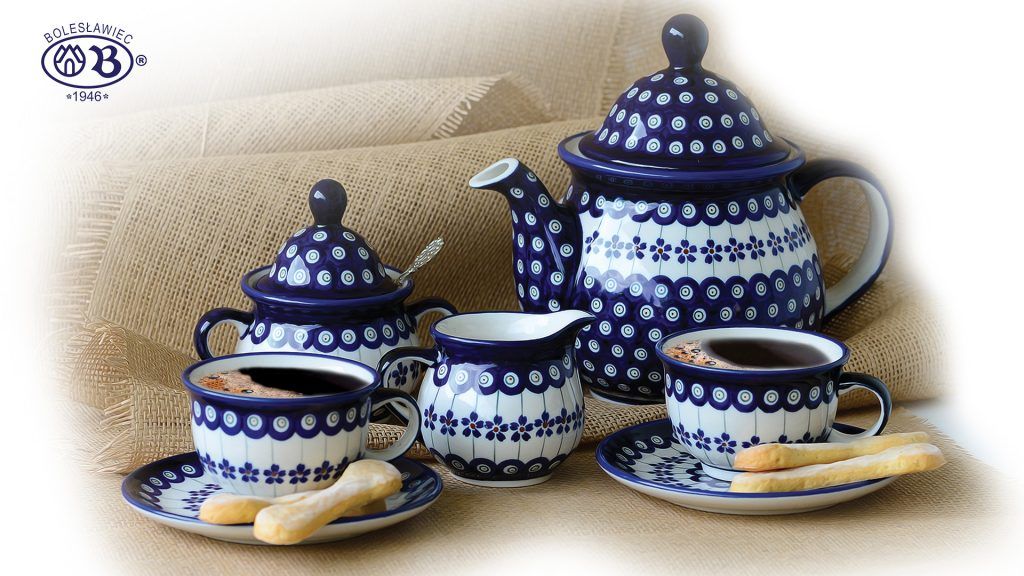
Ceramika bolesławiecka
"Fragile History" route
Discovering traces of the past can take many forms. Sometimes history leaves lasting marks on the landscape and buildings, other times its remnants are as delicate as porcelain or glass, requiring extraordinary care to ensure they don't disappear forever. A journey in search of hidden secrets in this picturesque corner of Lower Silesia leads to Bolesławiec – a town famous for its ceramics, which have become a symbol of the region and one of the most recognizable in Poland. However, Bolesławiec, like many other places in this part of the country, holds many more fascinating attractions.
The route is approximately 65 km long and takes approximately 8 hours to complete at a leisurely pace. The only areas with well-developed catering infrastructure are Bolesławiec and Złotoryja. Access to accessible restrooms is limited.
Bolesławiec
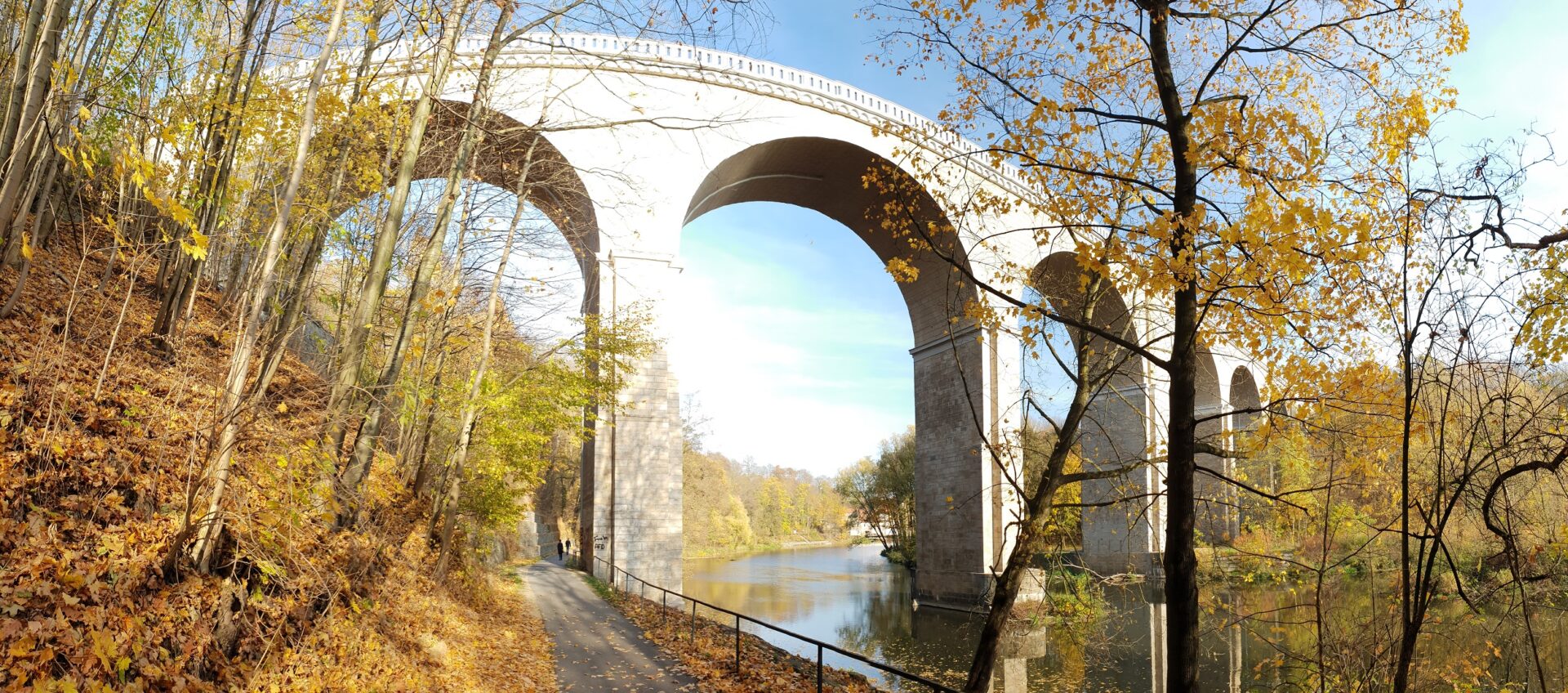
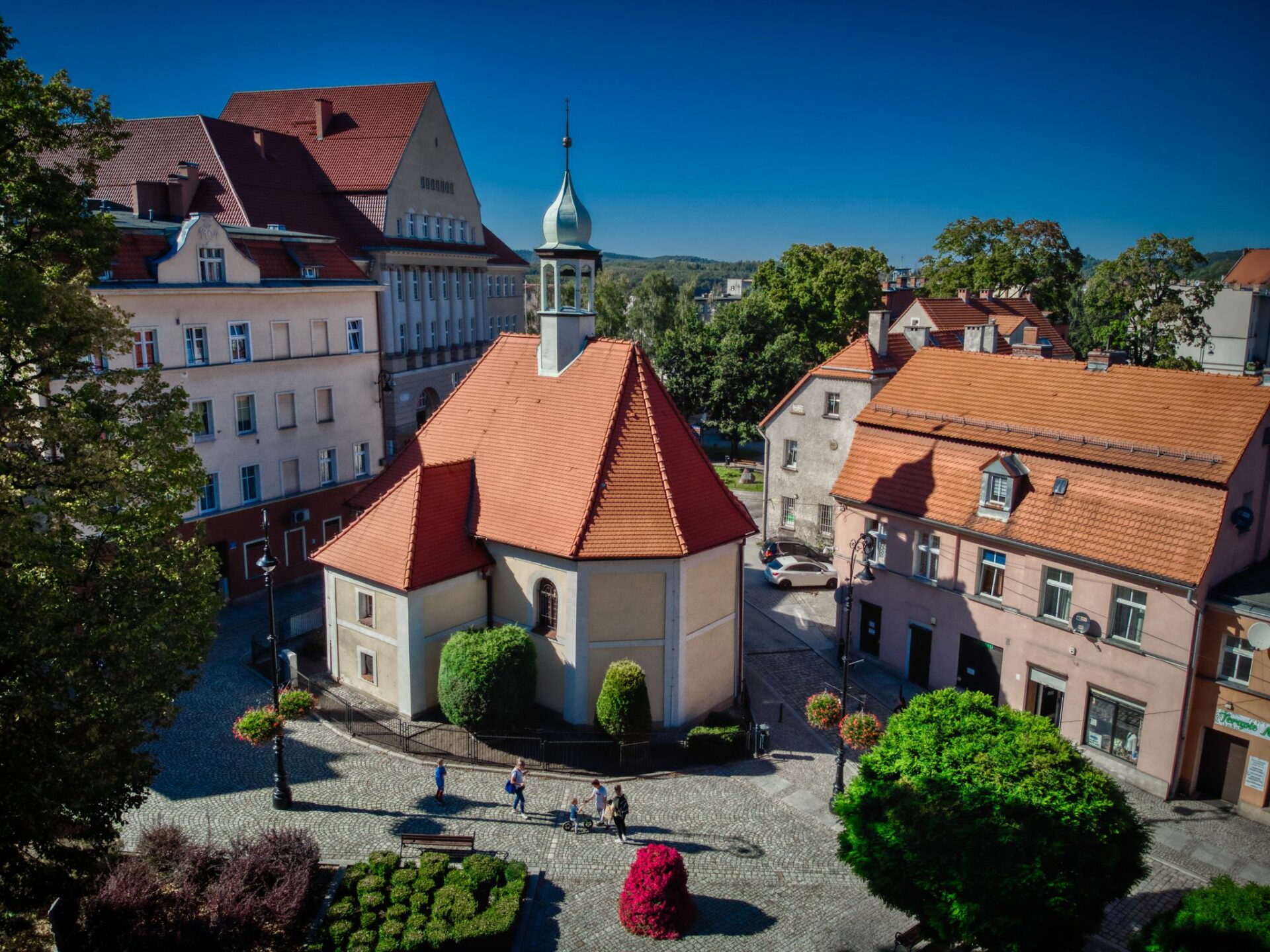
A visit to this charming spot on the Bóbr River is worth dividing into three stages. Although the town is not very large, a car is a good way to travel between attractions. It's best to start your tour by admiring the impressive railway bridge. It's impossible to miss, boasting the distinctive light color of chalk sandstone mined from a nearby mine. The structure is 490 meters long and 8 meters wide. The first bridge was built here in 1846, and King Frederick William IV himself attended the opening of this crucial crossing over the Bóbr. However, retreating German troops damaged the structure in February 1945, and it wasn't until 1947 that rail traffic was restored. The viaduct has 35 spans, and it is these spans that give it its greatest charm.
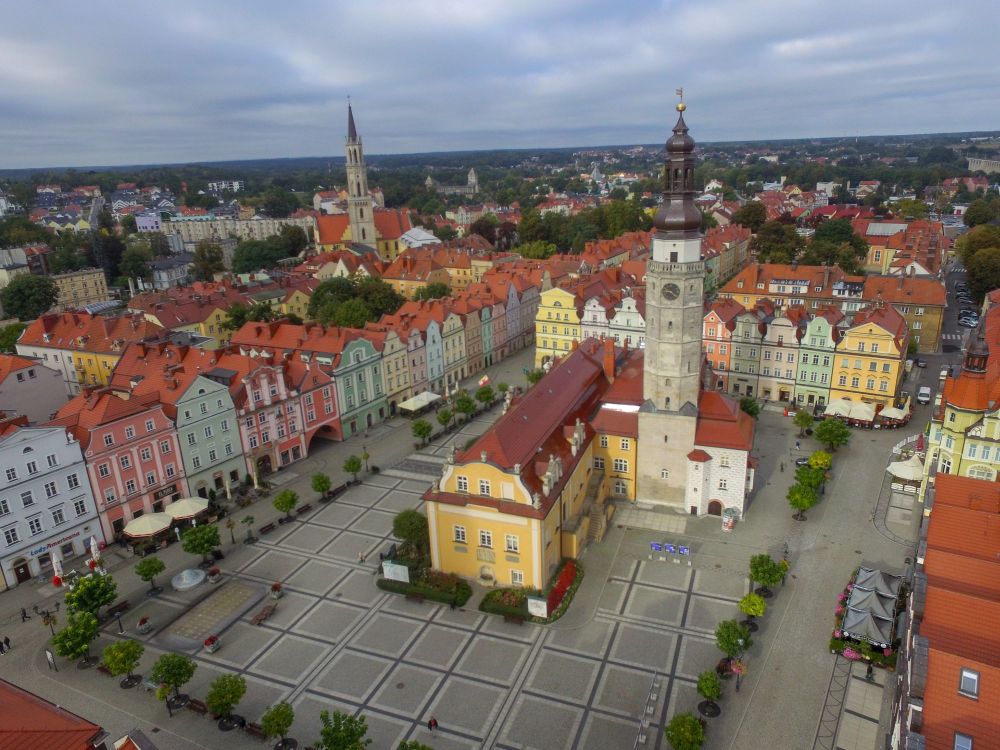
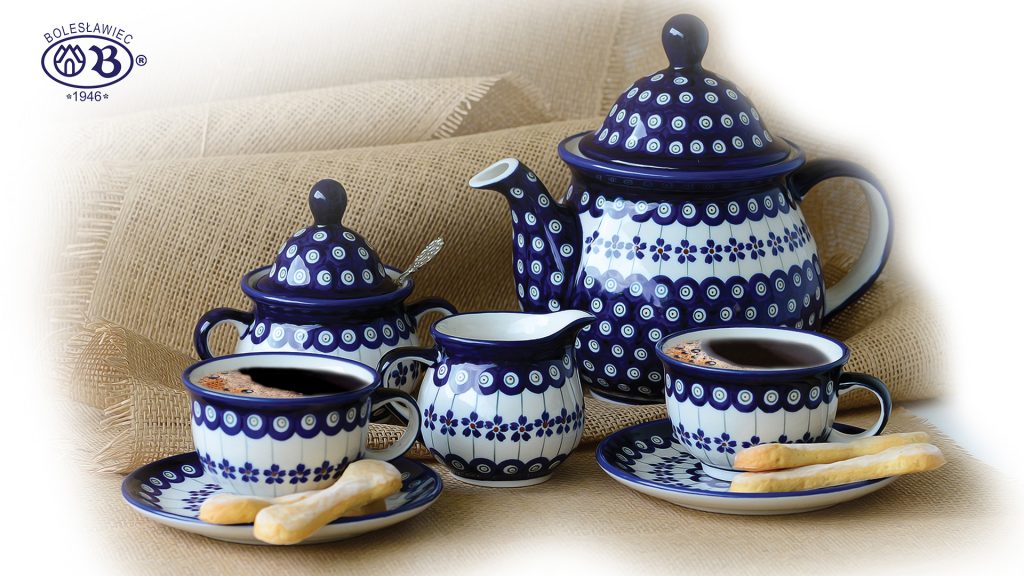
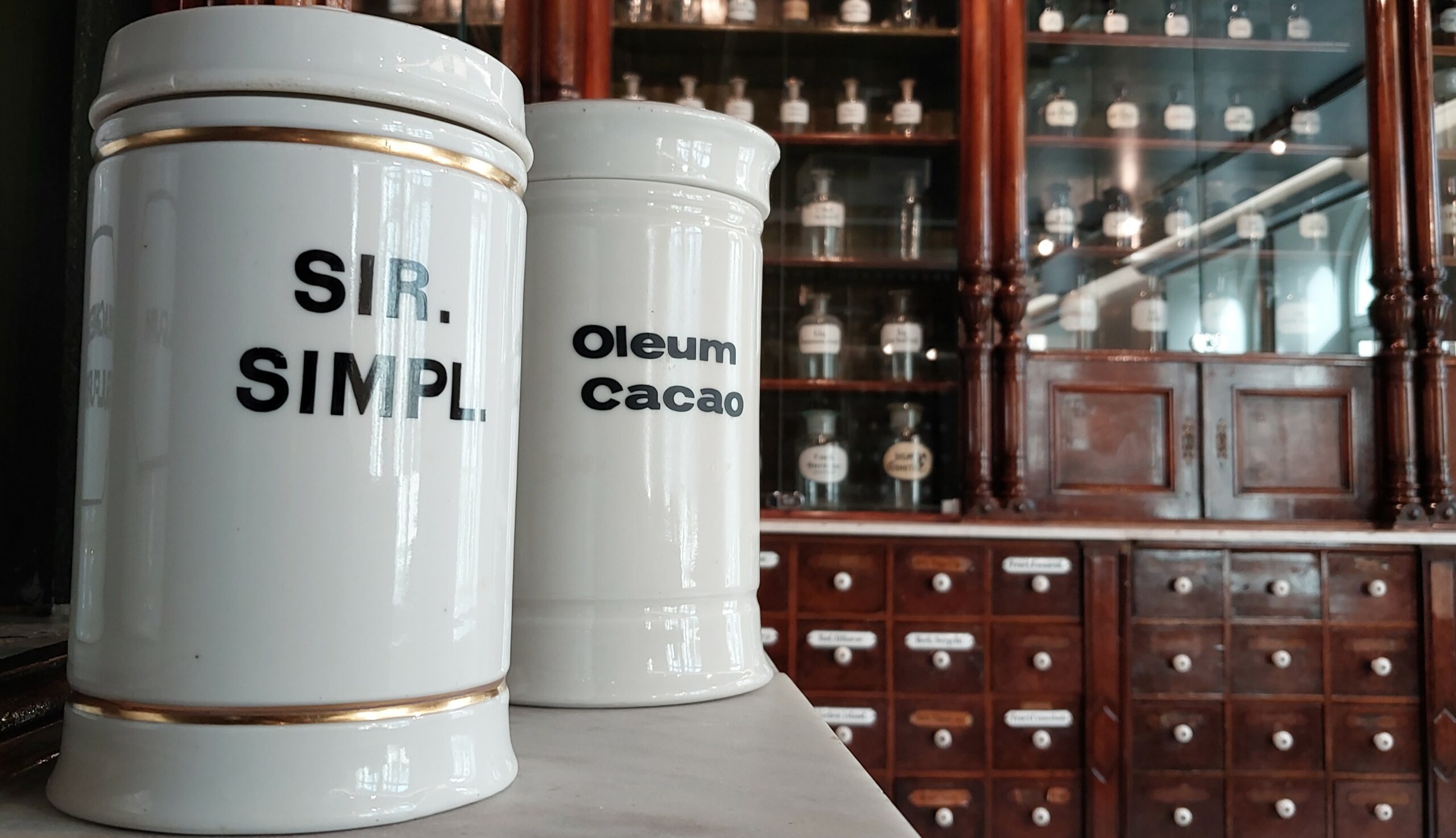
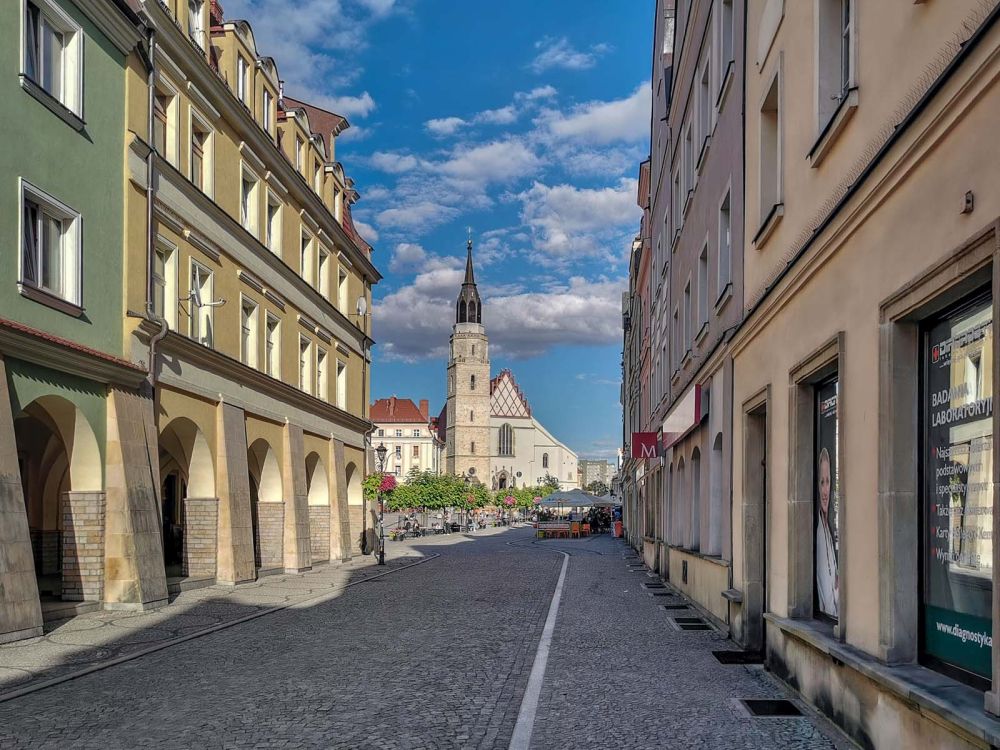
From here, the route runs through the streets of Bolesławiec to its southern part, where the Living Museum of Ceramics is located on Gdańska Street. Here, you can witness the entire process of creating these famous vessels. The museum is housed in the buildings of the Bolesławiec Manufactory, one of the city's key manufacturers. Before these magnificent mugs, plates, and bowls reach our homes, they pass through 35 pairs of hands who pay attention to the smallest detail. These are true masterpieces with soul, and their designs are endlessly captivating. The Bolesławiec style is recognized not only in Poland. As the museum's name suggests, you can witness the entire ceramics creation process firsthand. In organized groups, guided by a guide, you can observe the various stages of production. It's refreshing to see how, despite evolving technology, some processes have remained unchanged for centuries, and machines can't completely replace human labor. This is clearly visible in the painting studio, where a multitude of people work on the designs. It's a true workshop! You can also take advantage of the workshops and, under the guidance of specialists, try your hand at creating your own vessel (after the workshop, it is fired and shipped to your home). The culmination of your visit to Bolesławiec is a stroll through the market square. In its central part, the town hall with its tall tower catches the eye. This building, combining Gothic and Baroque styles, houses the city government. The market square is surrounded by numerous historic tenement houses. Among the most interesting buildings are the house at Rynek 7a, known as the Piast Gate, and the Baroque tenement house at Rynek 28. Nearby, the Ceramics Museum, located at 13 Mickiewicza Street and 14 Kutuzowa Street, offers exhibitions devoted to the city and Bolesławiec ceramics. From Bolesławiec, the route runs along road no. 297 towards Lwówek Śląski. The Bóbr River flows parallel to it, and can be admired from the bridges in Kraszowice and Włodzice Małe. The next stop on the journey is the small town of Brunów, a true gem for palace enthusiasts.
Municipal parking lots are located in the streets surrounding the market square. The surface is made of small cobblestones and smooth slabs, making it wheelchair-friendly.
There are two parking lots near the viaduct, accessible from Wróblewskiego Street. The most convenient one is located right next to the viaduct, parallel to the road. A special ramp for wheelchairs has been built there, making access to the bridge easy. A paved gravel road runs alongside it, with some significant bumps in the road. The access road to the Bóbr River is paved.
In front of the Living Museum of Ceramics, visitors can walk on the sidewalk. The threshold at the entrance door is a minor architectural obstacle. Throughout the rest of the building, and during the tour, visitors can walk on smooth concrete floors. Only the passage between the production halls is slightly uneven. Everything is on one level, including the workshops. There is a toilet adapted for people with mobility impairments.
Palace in Brunów
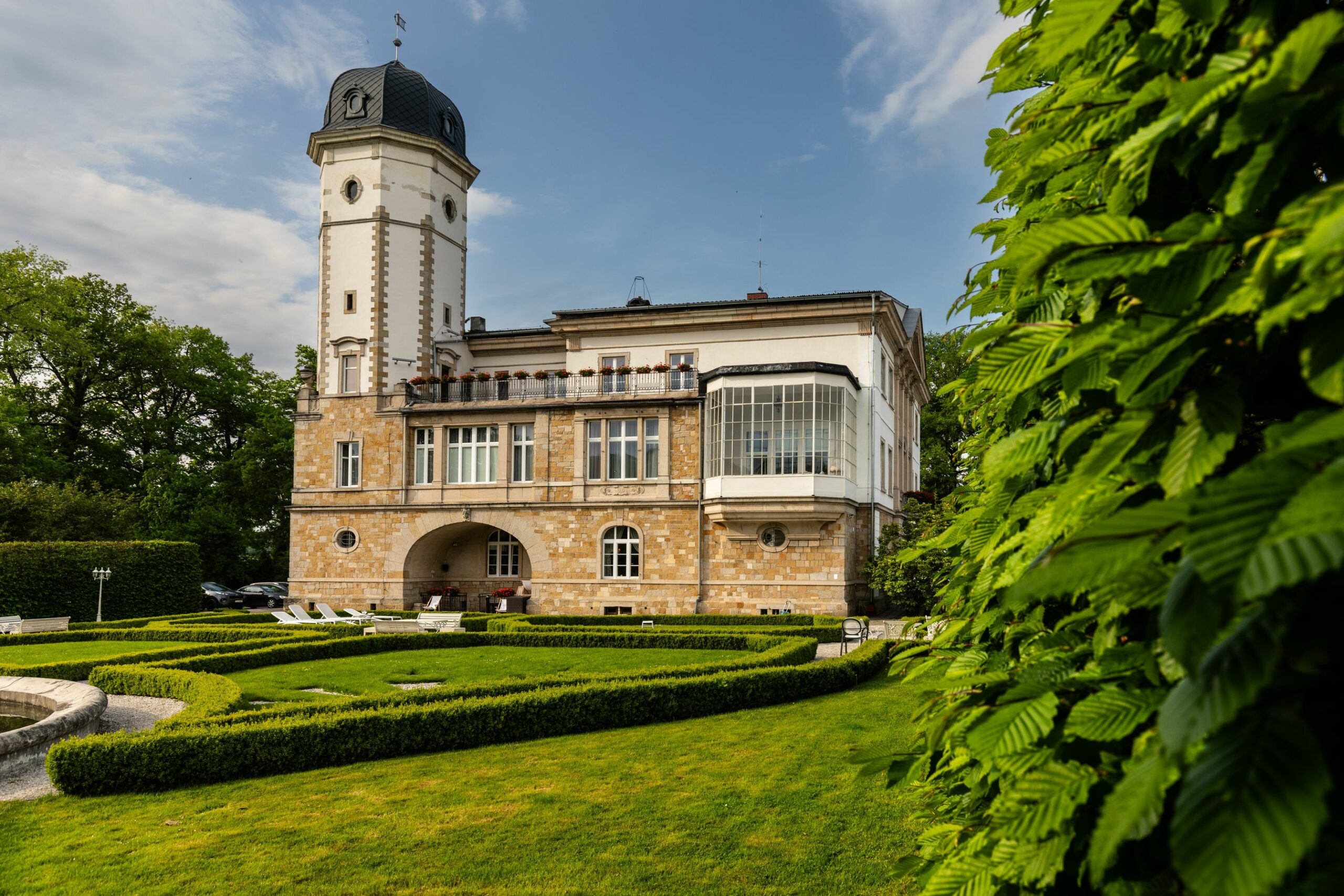
The Baroque palace was built in 1750. References to a knightly defensive tower date back to the 15th century, when the surrounding lands were owned by the von Zedlitz family. In 1740, the estate came into the possession of Bernard von Schmettau, who commissioned the reconstruction of the former defensive manor house into a Baroque palace. At his initiative, a farmstead and a manor house were also built for the estate administrator. The estate then passed into the possession of Baron Philipp H. von Sonnenburg, and in 1787, into the possession of the von Schweinitz family. Unfortunately, shortly after its sale, the palace caught fire, and the new owners were faced with its reconstruction. The building then acquired neo-Baroque features. From 1838, the palace belonged to the von Cottent family. During subsequent construction, 19th-century Classicist elements were added. The two-story palace is rectangular in shape. In the early 20th century, a south wing, an orangery, and an octagonal tower with four stories were added. The palace is covered with a gable roof, and the main entrance is adorned with a projection with a semicircular balcony. A historic outbuilding and a coach house are located in the immediate vicinity of the palace. In 1933, the residence became the headquarters of the Hitler Youth sports school and was subsequently taken over by the Nazis. In 2004, the palace passed into the possession of the Rzeźwicki family, who established a cozy hotel and restaurant in the renovated interior. Nearby is a small park with picturesque walking paths.
There are no architectural barriers within the park or around the palace. Access to the palace is facilitated by a special driveway.
Lwówek Śląski
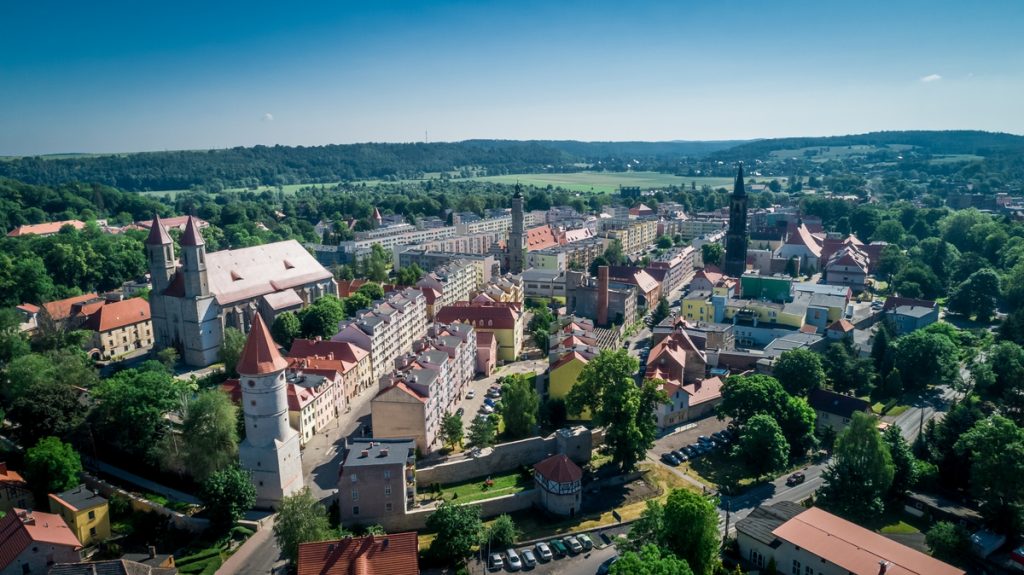
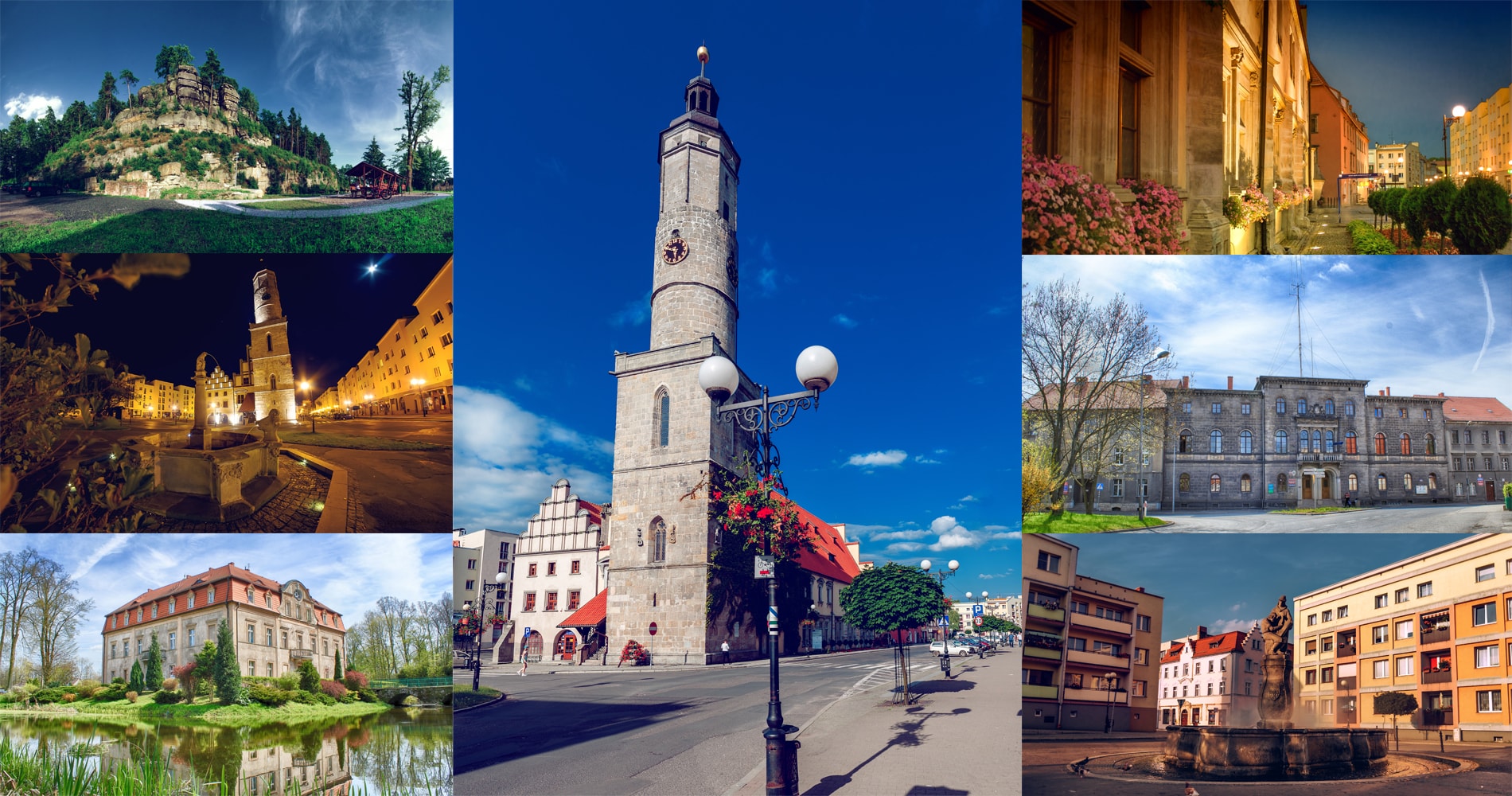
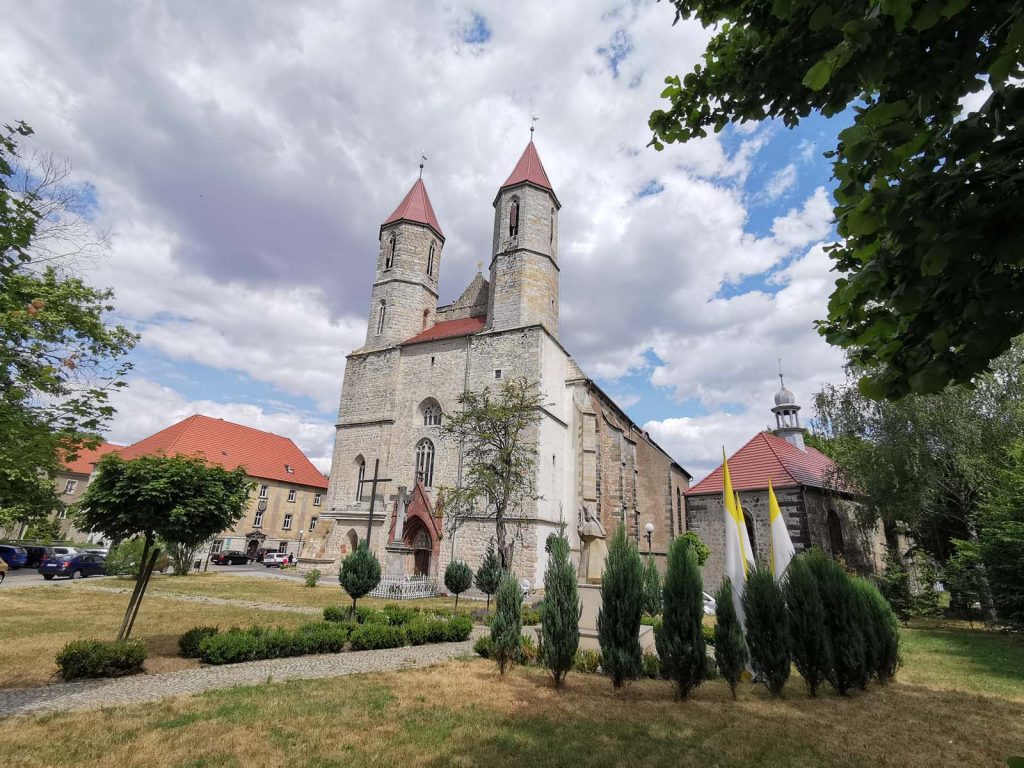
The largest concentration of historical monuments in this city is located around the market square. Despite the passage of time and the destruction of World War II, the original urban layout has survived to this day. Viewing the remains of the former defensive walls and gates, you can see the area Lwówek occupied centuries ago. It's best to begin your tour in the eastern part of the market square, where the Clothmakers' Fountain stands. Walking along the northern frontage, you can see picturesque tenement houses, including the most famous, the Agate House, built in the Renaissance style. The town hall and the Hohenzollern Palace are located nearby. Leaving the market square along Orzeszkowa Street, at the intersection with Kościelna Street, it's worth seeing the Lubańska Gate tower. Nearby, you'll also find remnants of the city walls. Directly opposite the town is the Złotoryja Gate, and next to it are small urban parks running along the walls. Among the city's sacred monuments are the St. Nicholas' Cathedral, St. Nicholas' Cathedral, and St. Nicholas' Cathedral. The Church of the Assumption of the Blessed Virgin Mary, built in the early 14th century, and the Church of St. Francis of Assisi are also worth visiting. Another interesting place is the Brewery Museum, the only one in Lower Silesia, located at the famous Lwówek Śląski brewery (unfortunately, access is difficult for people with mobility disabilities). From Lwówek Śląski, the route leads along road no. 364 to the village of Czaple. There, turn left and head towards Grodziec. The hill with the castle on top is clearly visible in the distance.
Grodziec Castle
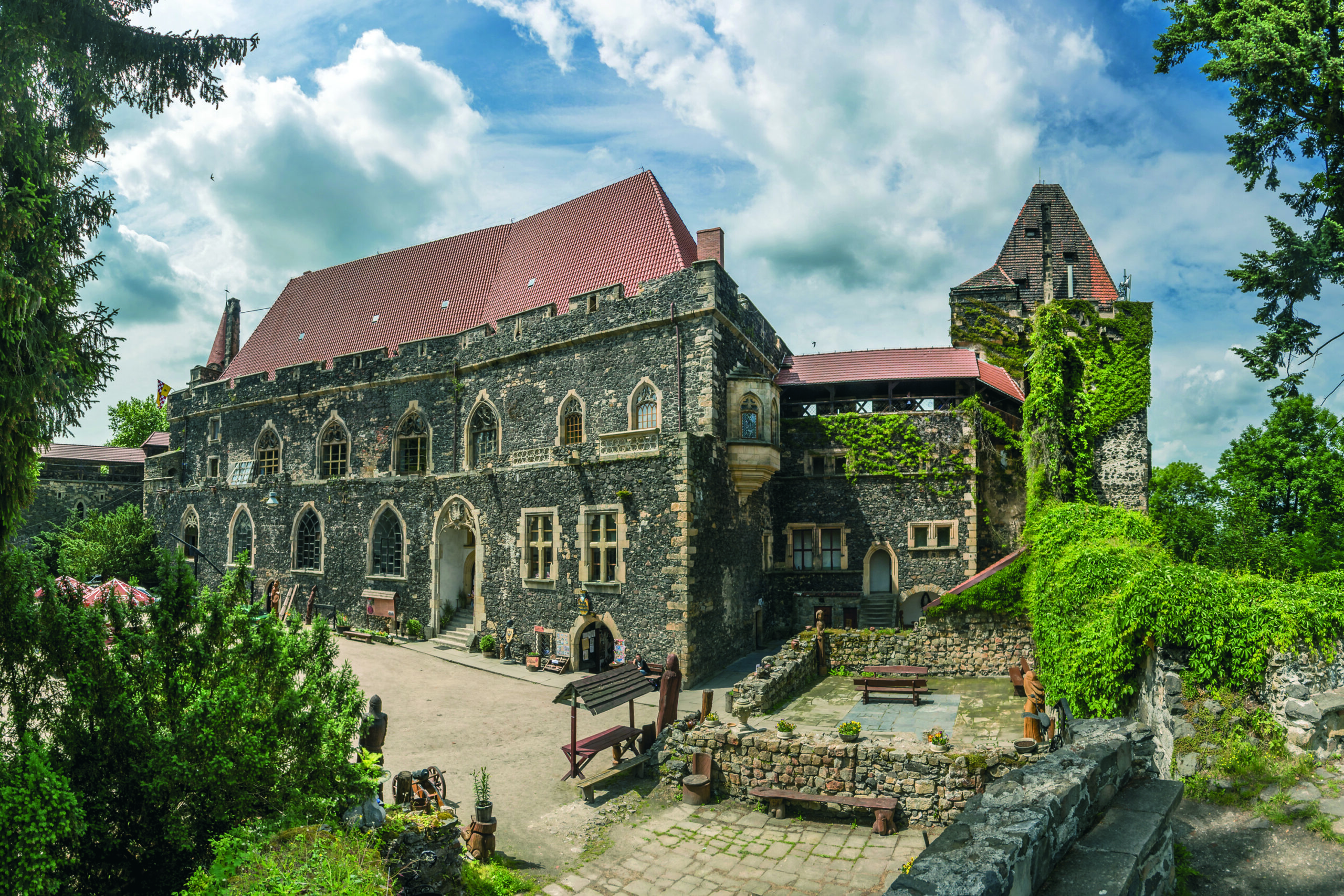
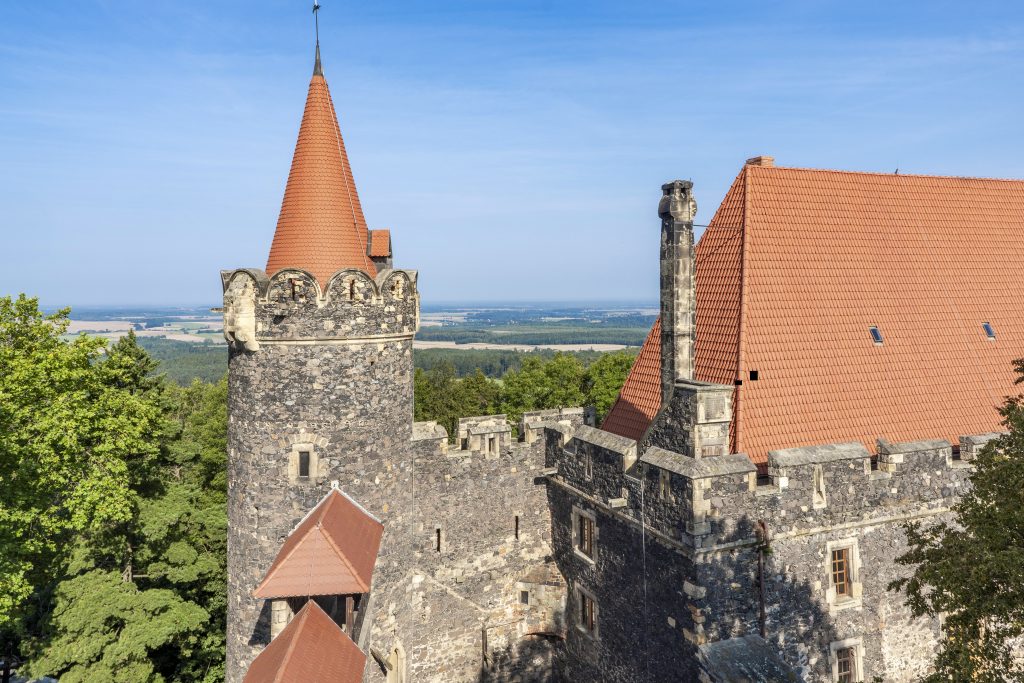
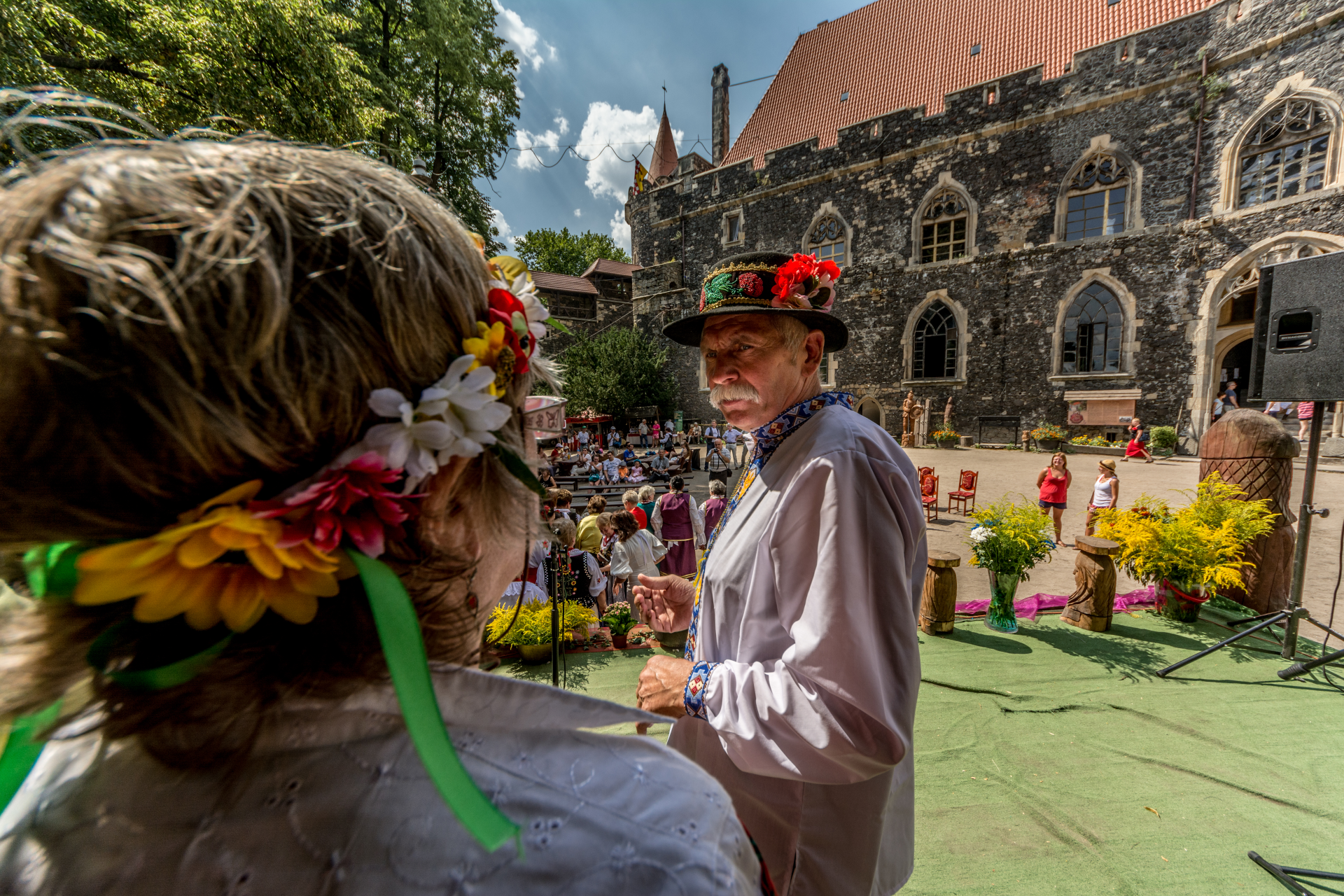
This historic stronghold, formerly owned by the Piast dynasty, is situated atop an extinct volcano. It is considered the first castle in Europe to be rebuilt and adapted for tourist visits. The first historical records date back to the 11th century. Initially, a fortified settlement stood atop the isolated hilltop, likely giving rise to the castle's name. The stronghold changed hands many times. The Piast dynasty is clearly etched in its history. Frederick I rebuilt it based on the model of Legnica Castle, and its development continued unabated until the Thirty Years' War. Burnt and destroyed, it never regained its former glory. Preservation work in the 18th and 19th centuries transformed the romantic ruins into a tourist attraction, attracting the first visitors. At the end of the 19th century, the castle and the nearby palace passed into the hands of the von Dirksen family. At their request, architect Bodo Ebhard rebuilt the castle. Some of the buildings remained in a state of permanent ruin, while others, such as the palatium, the entrance gate, and the walls topped with porches, were given a new look. A restaurant opened in the castle, and Grodziec became a tourist destination in its own right. After World War II, the castle fell into ruin again. After many years of effort, new life was once again breathed into the stone walls. At the foot of the hill lies a small village with a ruined farm, and a little further on, hidden in an old park, lies a beautiful Baroque palace built by the von Frankenberg family (not open to the public). Descending from the castle hill, head towards Zagrodno. Leaving Grodziec, it's worth turning left off the main road and visiting a small gallery run by two artists from Wrocław.
The parking lot at the castle grounds is easily accessible by car. From here, the castle can be seen from the outside. Wheelchair users may find the entrance gate and cobblestone road difficult to navigate, but it is possible to drive into the castle courtyard by car after calling in advance. Due to its historic nature, the castle interior is not accessible to people with mobility impairments.
Versus Art Gallery
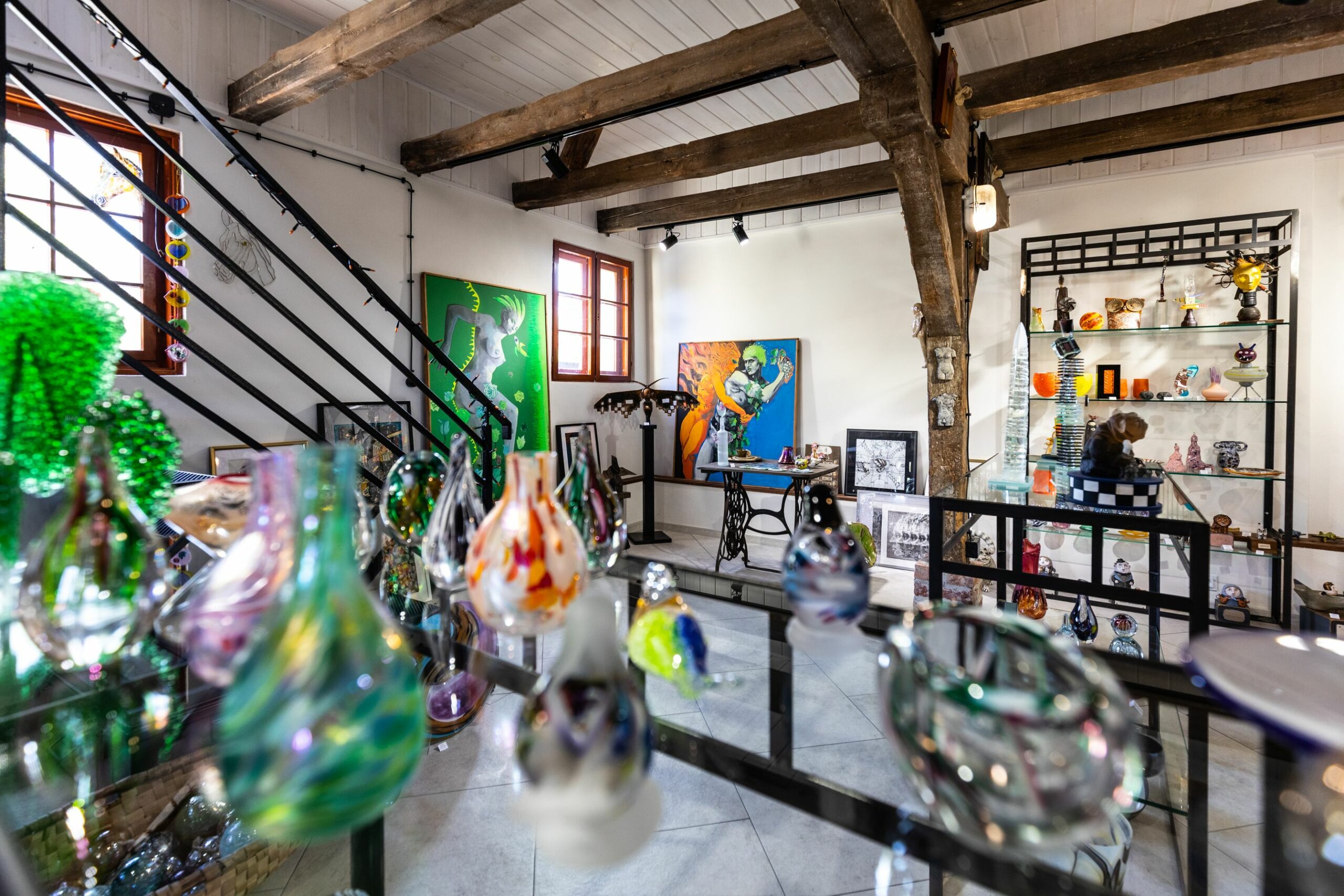
Located in Grodziec, the gallery is the younger sister of the Wrocław branch at 11 Jatki Street and has become an extension of its mission. Pati Dubiel and Martyna Wiszowata created this unique space for art, its promotion, and sales. The gallery is a place where you can experience art. It houses works by Polish artists – sculptures, paintings, prints, and glass forms. The greatest asset of this space is the opportunity to talk with Pati, a glass artist whose works surprise with their form and color. During the summer season, the gallery is open on weekends and selected weekdays. Before visiting, it is advisable to call in advance to confirm opening hours. Driving from Grodziec, before Zagrodno, turn right towards the village of Pielgrzymka. A picturesque road winding through fields and villages leads to Route 364. The route turns left at this point and continues towards Jerzmanice-Zdrój.
The lower part of the gallery is accessible to wheelchair users.
Raven Rocks in Jerzmanice-Zdrój (Krucze Skały)
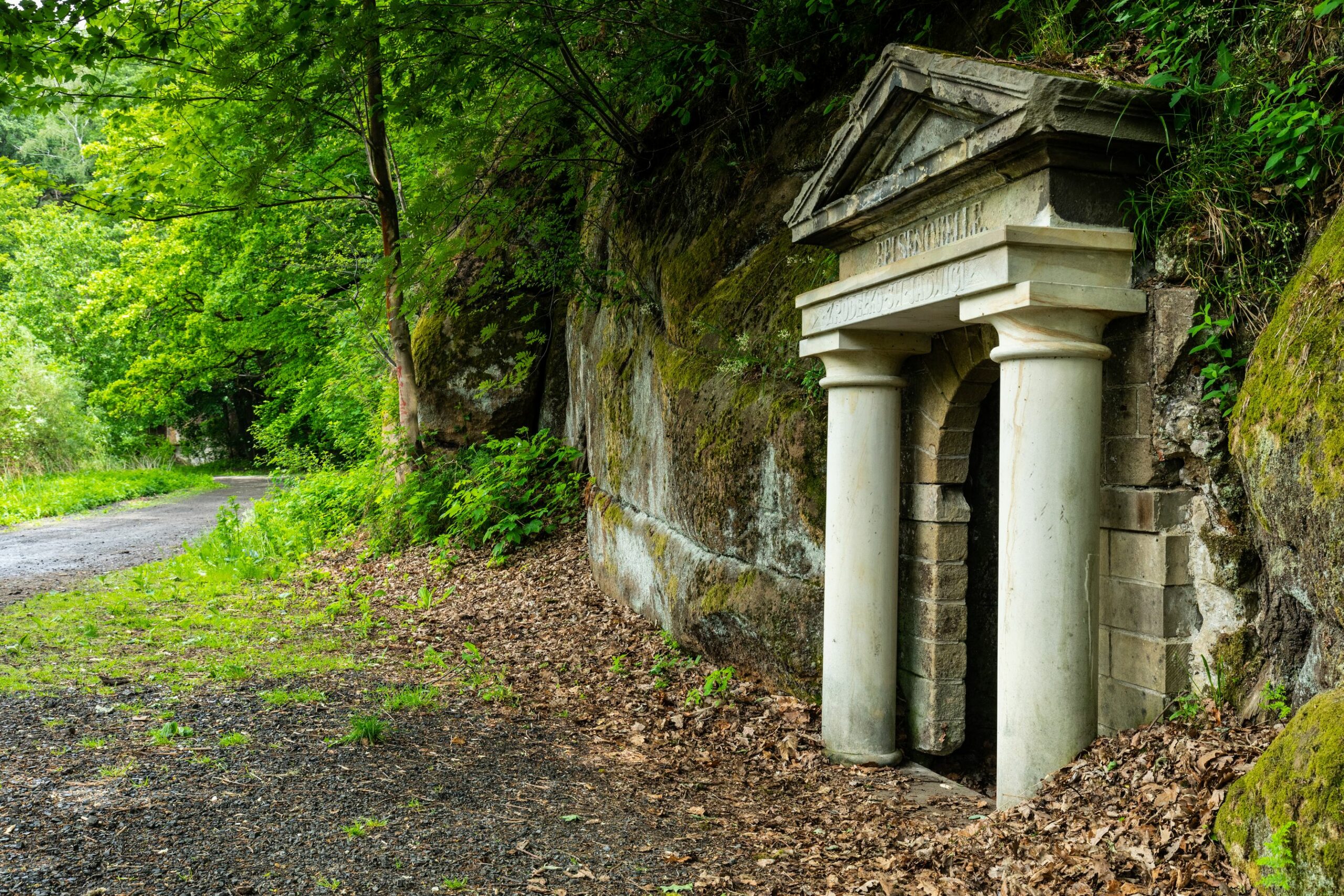
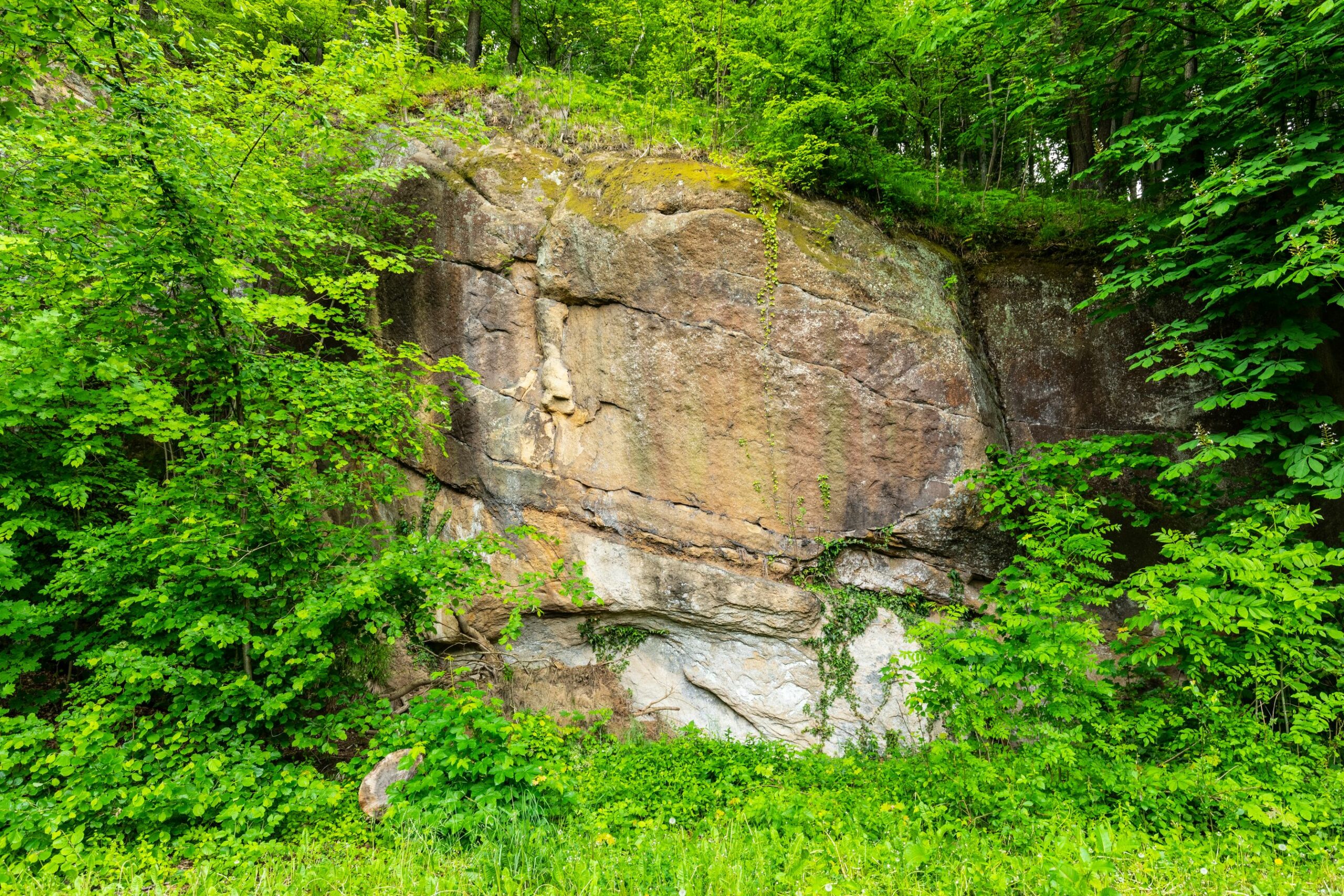
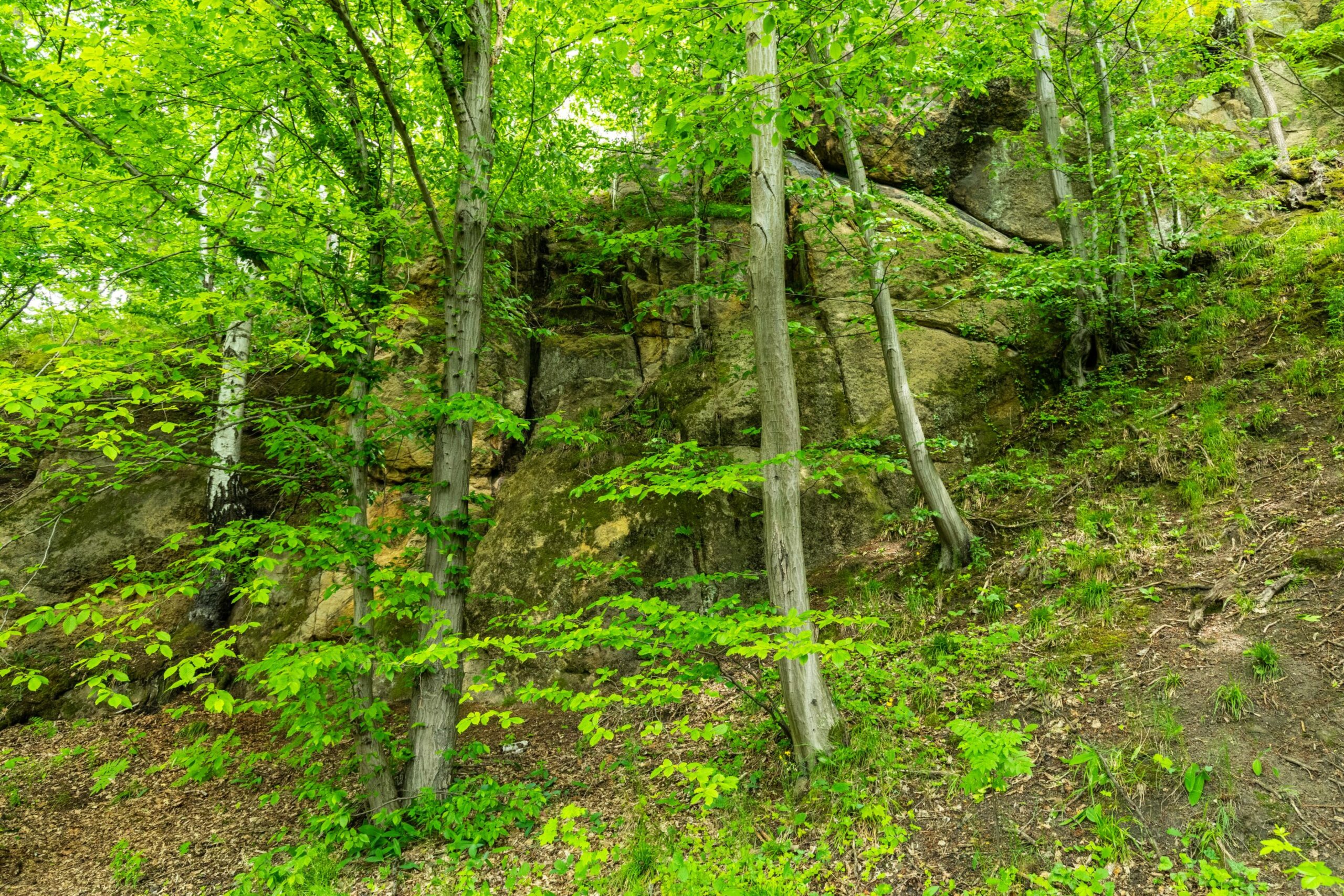
Eighty million years ago, a relatively shallow sea lay here, with sand particles settling at its bottom. After the sea receded, the thick layer of sand coalesced and hardened. This, in a nutshell, is the story of the long and complex process of sandstone formation. Several centuries ago, Raven Rocks were a site for quarries of rock blocks (used to build Wrocław's Town Hall and St. Elizabeth's Church), giving them their unique appearance today. The rocks left after the massive sandstone blocks were extracted formed a long, smooth wall. In this untouched area, many original forms can be seen – towers, mushrooms, pulpits, and spacious rock shelves. Before World War II, spa guests in Bad Hermsdorf (the former German name of the village) enjoyed strolling among these sandstone creations of nature and man. Metal staircases were built and steps carved into the rock, allowing visitors to climb the mountain and see from a different perspective. It's also a popular climbing spot. Some of the longest rock crags in Poland attract climbing enthusiasts. Returning to main road no. 364, the route leads to Złotoryja, the oldest town in Poland.
The road leads to the very foot of the rocks. You can park either right next to them or at the nearby train station. A paved gravel road runs alongside the rocks, offering stunning views of these natural wonders.
Złotoryja
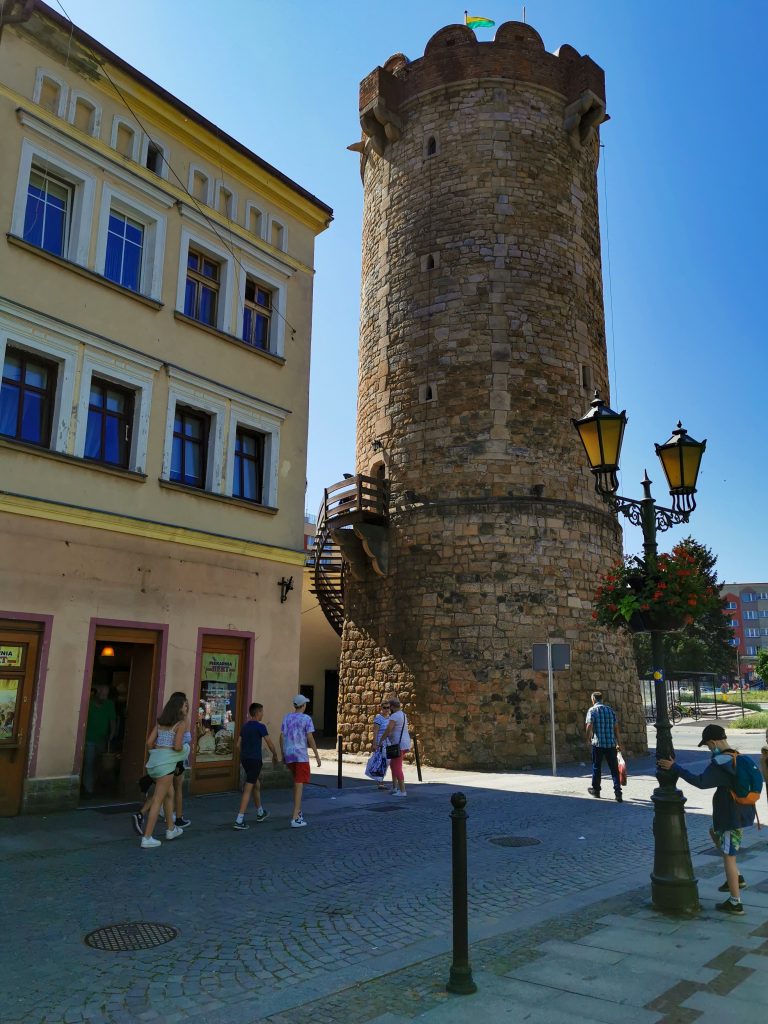
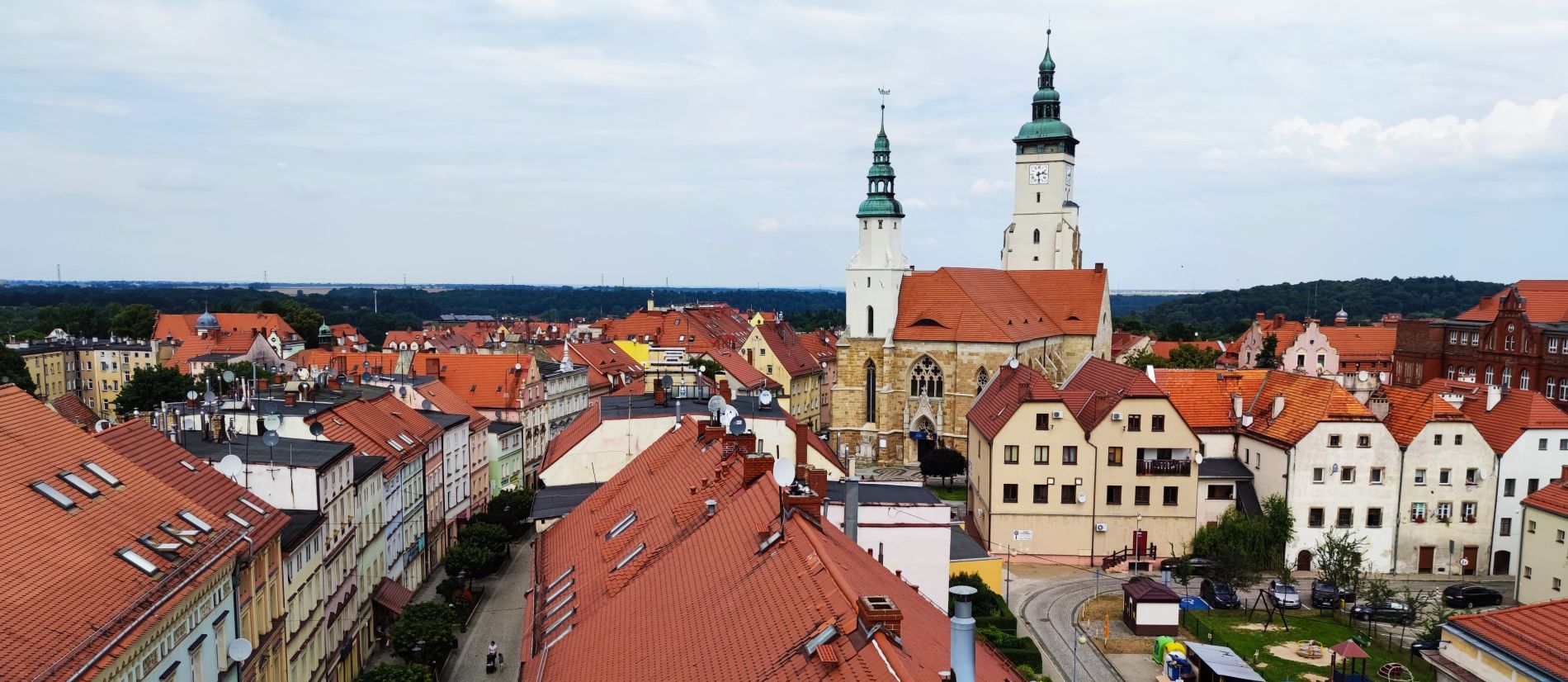
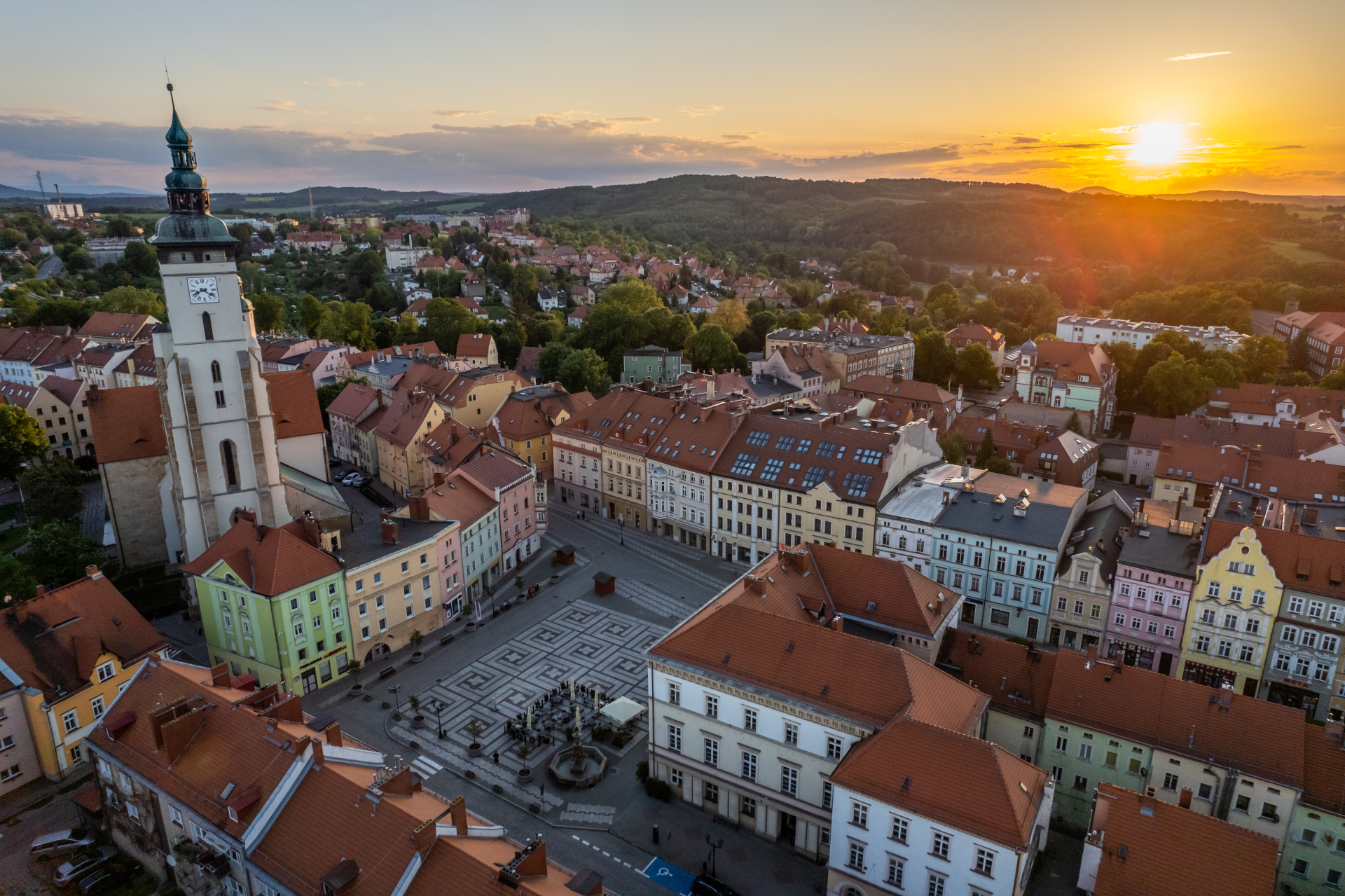
The year 1211 was special for the residents of Złotoryja, as Duke Henry the Bearded granted it city rights, making it the oldest town in Poland under Magdeburg Law, as documented. Złotoryja is therefore the oldest town in Poland (founded earlier than Kraków or Wrocław). It is a charming medieval mining center on the Kaczawa River. As the name suggests, gold was mined here (though there wasn't much of it), and later basalt. In the very center of the Old Town, near the market square, stands the 13th-century sandstone Church of the Nativity of the Blessed Virgin Mary. From its tower, one can admire a beautiful panorama of the city and the entire surrounding area, including the "Wilcza Góra" nature reserve. The sloping market square is surrounded by historic tenement houses. In its northern part, among the linden trees, you can find the Miners' Fountain, built on the site of the former municipal well. It was designed and the figures and bas-reliefs were created by Fritz Richter-Elsner in 1943. It commemorates the participation of Złotoryja's inhabitants in the Battle of Legnica against the Mongols in 1241. The seven linden trees surrounding the fountain commemorate seven survivors of the plague that struck the city in 1556. Legend has it that on Christmas Eve, they went out into the Złotoryja market square and sang carols, thanking God for sparing their lives. On the opposite side of the Old Town, at the end of Basztowa Street, you can see the Kowalska Tower, a remnant of the 14th-century defensive fortifications. Złotoryja is the end of the trail. After completing the trail, you realize that the fragility of history is an extremely broad and relative concept. Bolesławiec's ceramics are fragile, but so are the sandstone rocks and basalt hills. The common denominator of all these places is the immense value of their historical heritage. This is what makes these traces of the past extraordinary.
Parking spaces for disabled vehicles are available within the market square. The surface of the market square and Basztowa Street is made of small cobblestones and smooth paving stones, making it wheelchair-friendly. Key city attractions, such as the Aurelia Gold Mine and the Gold Museum, are not wheelchair-accessible.