
Search
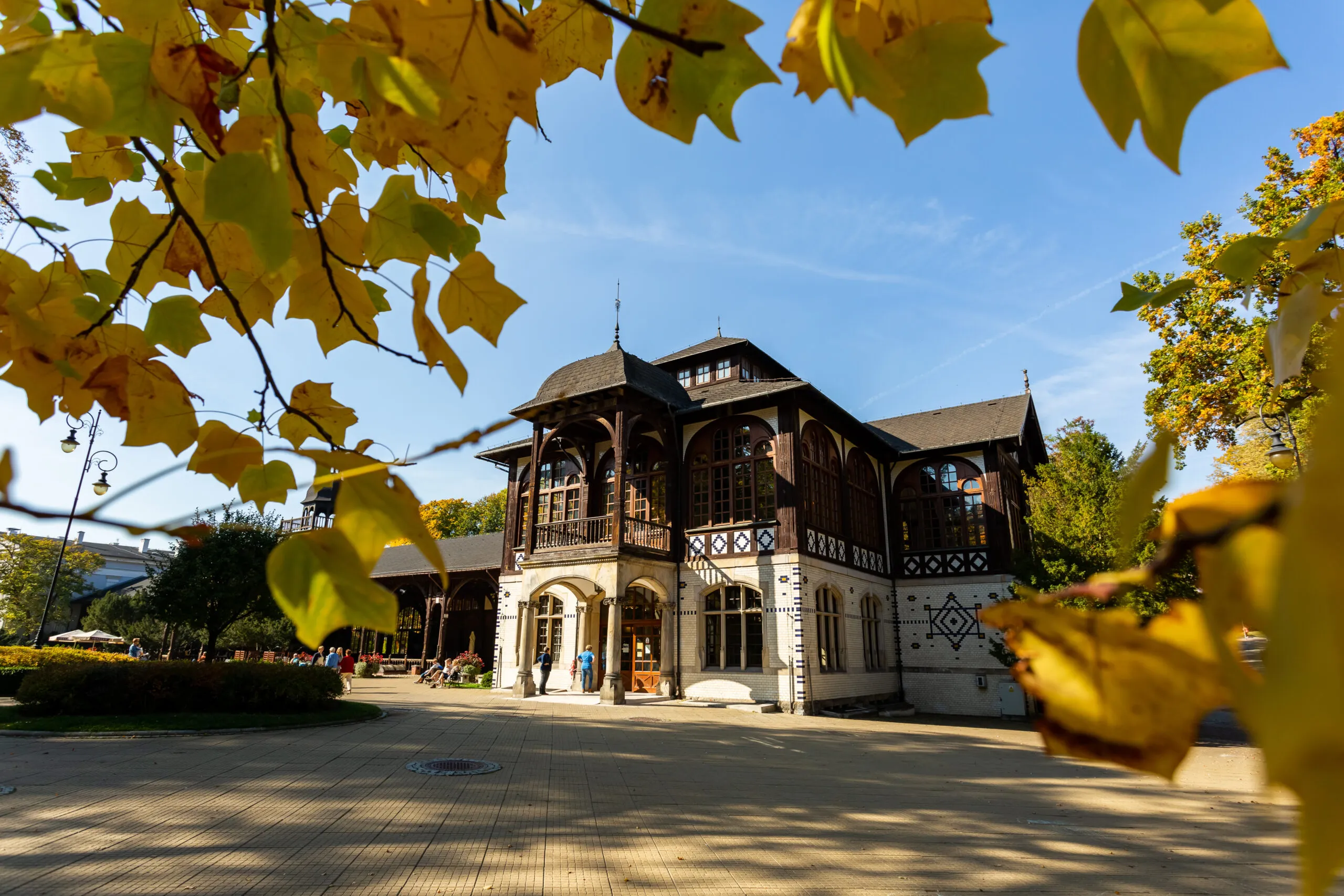
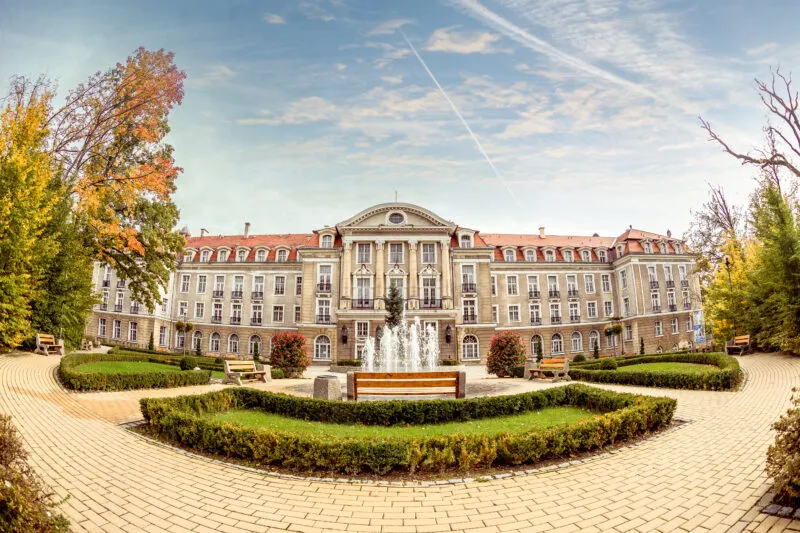
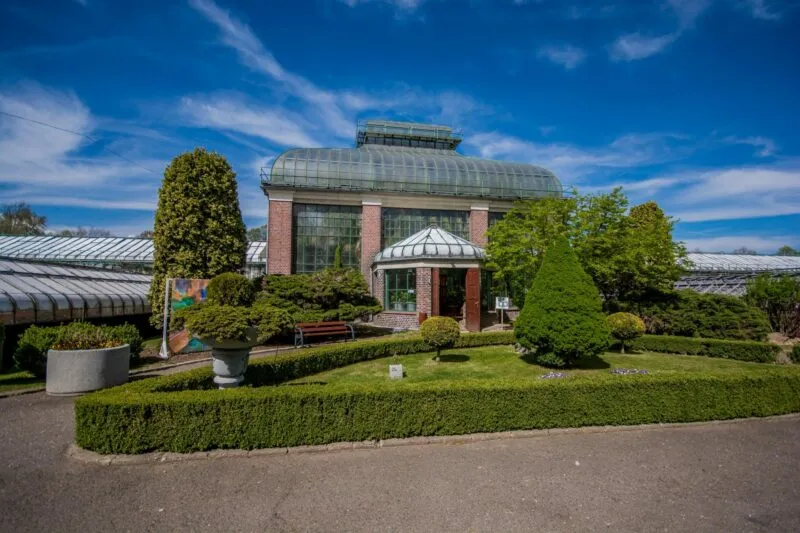
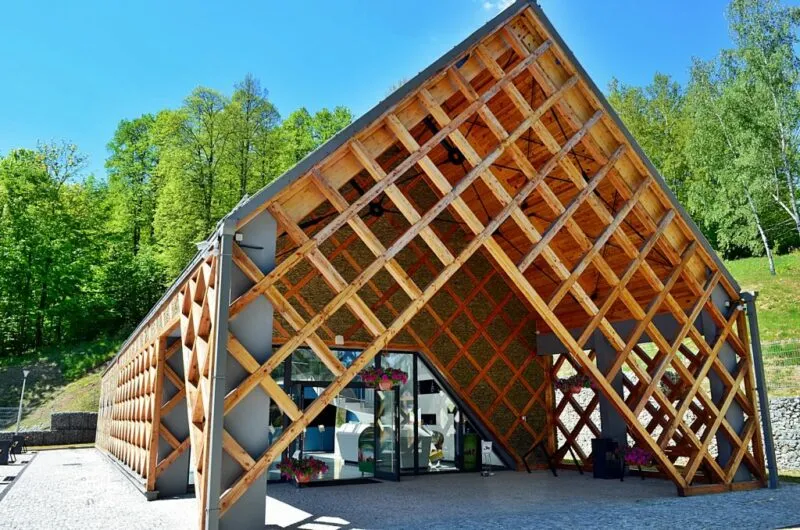
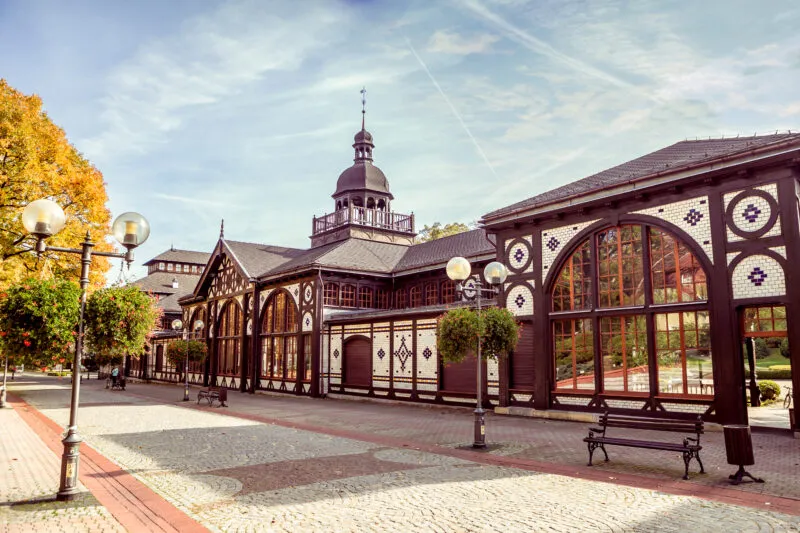
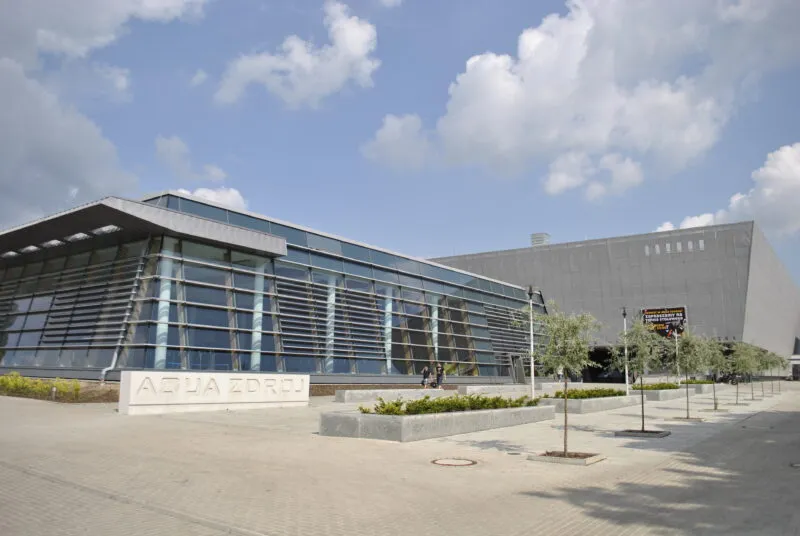
Szczawno-Zdrój - water pavilion, photo by Marcin Jagiellicz
Wałbrzych Land and the Owl Mountains (ziemia wałbrzyska i Góry Sowie)
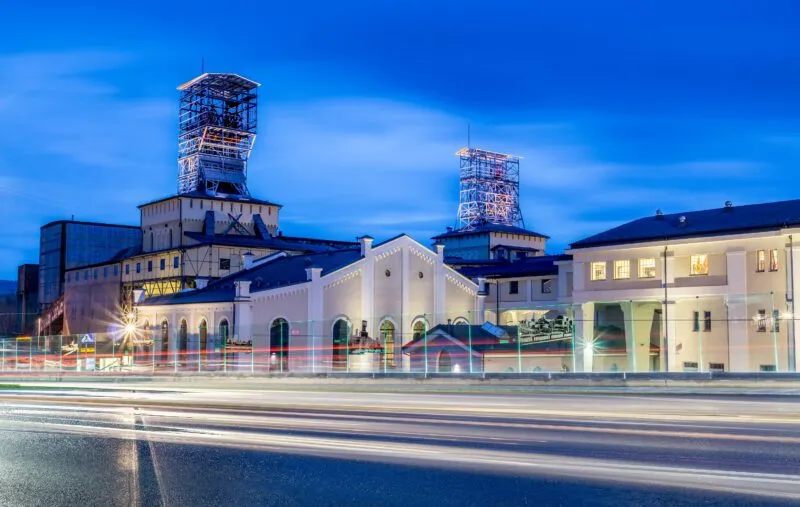
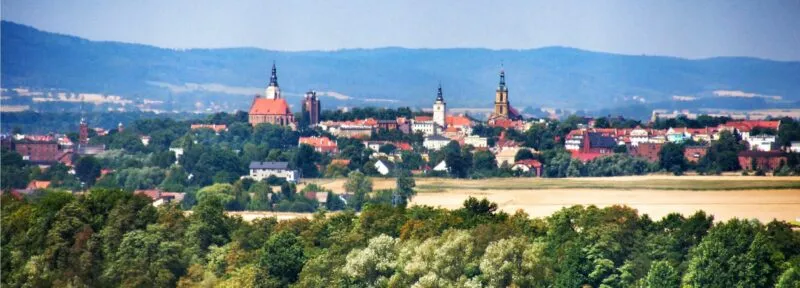
Industrial Walbrzych, which until recently was associated only with mines, steel mills and other large factories, has become famous for the mystery of the Golden Train. Does the Train in the Underworld really exist? – for now is unknown. However, it is known for sure that the Walbrzych Land is one of the most interesting natural and cultural corners of Poland.
Description
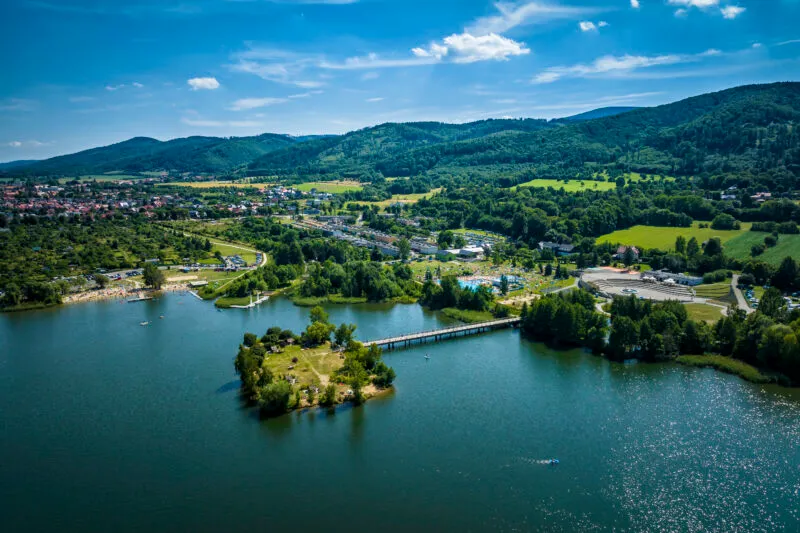
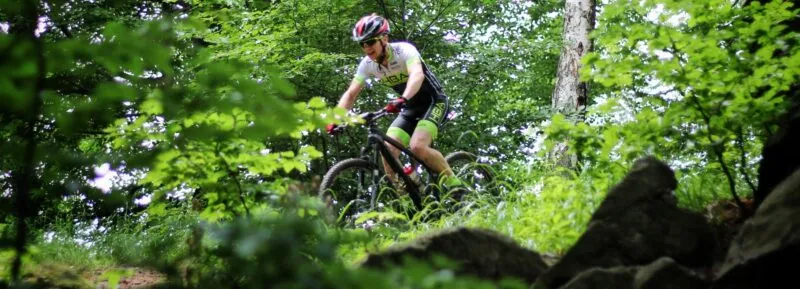
The picturesque Sowie Mountains, a range of the Central Sudetes, delight visitors with their extraordinary landscapes, which can be admired from many vantage points. They are a wonderful place for hiking and biking, and in winter breathtaking views can be admired while riding on numerous trails prepared for cross-country skiing.
Walbrzych Land – an ideal place for active and family tourists
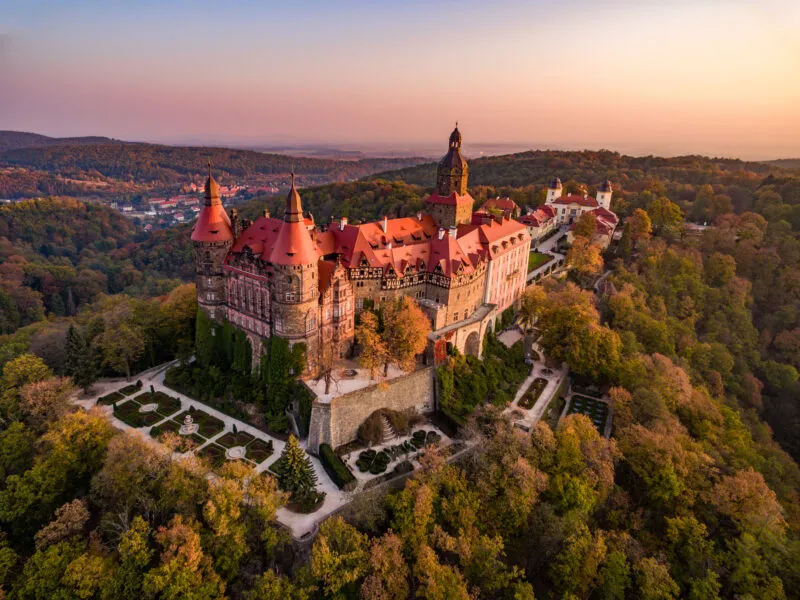
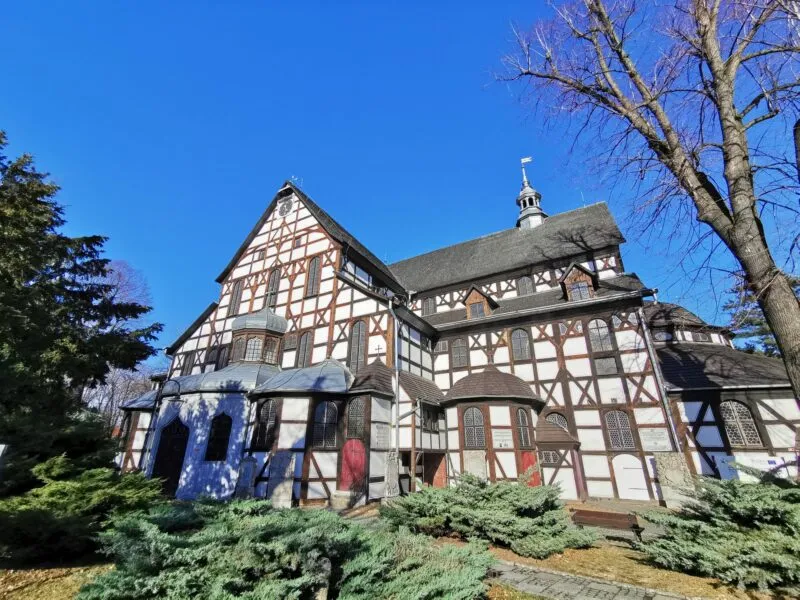
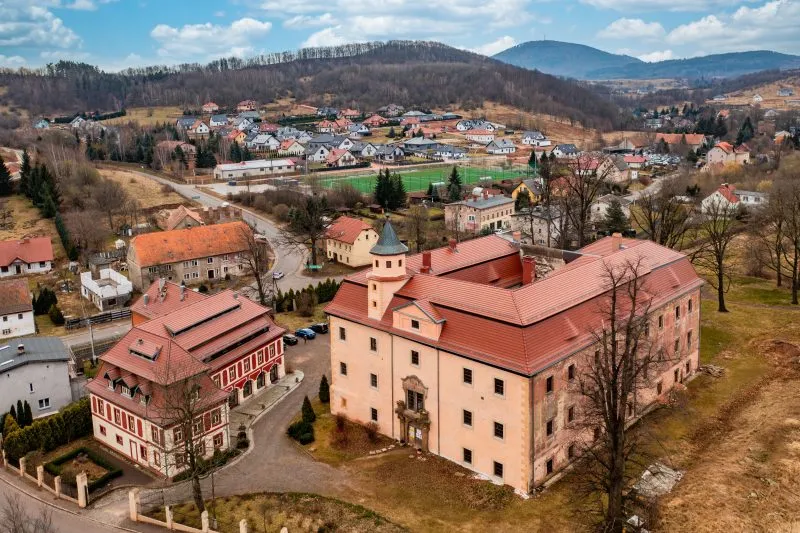
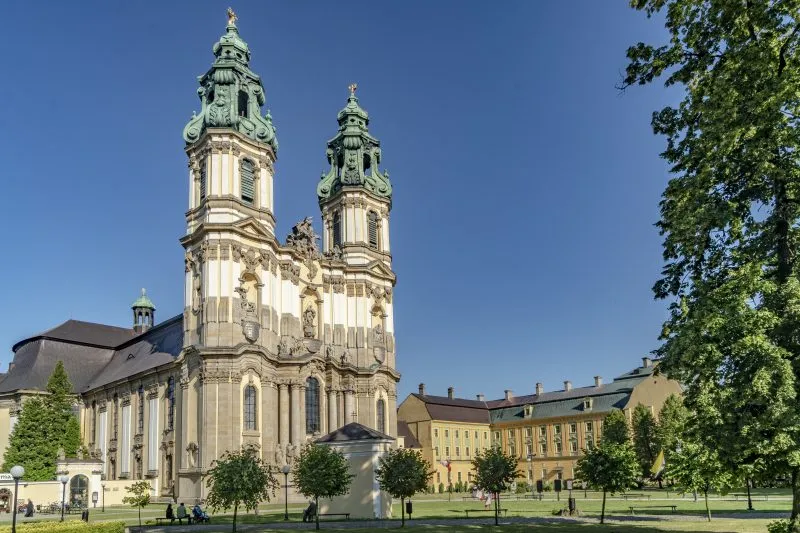
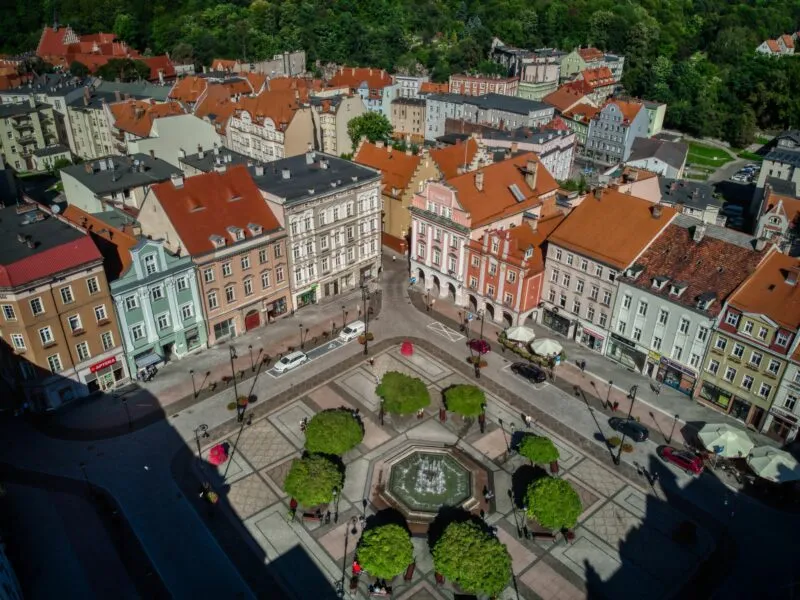
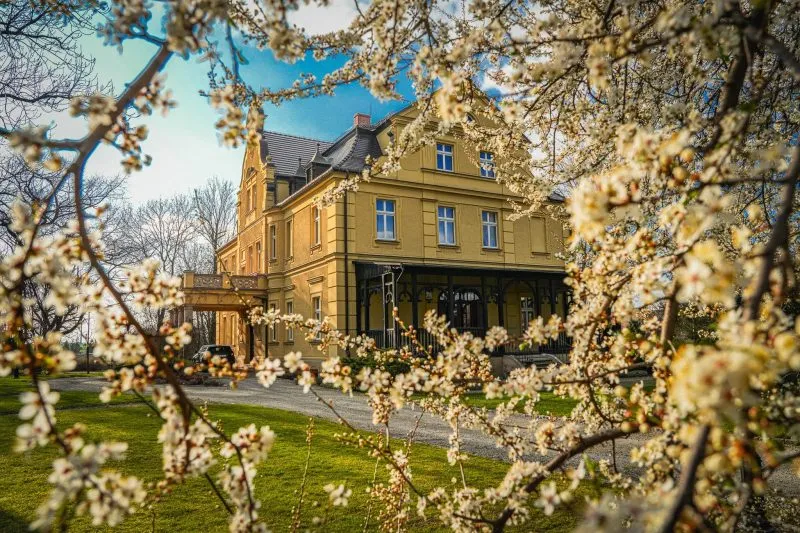
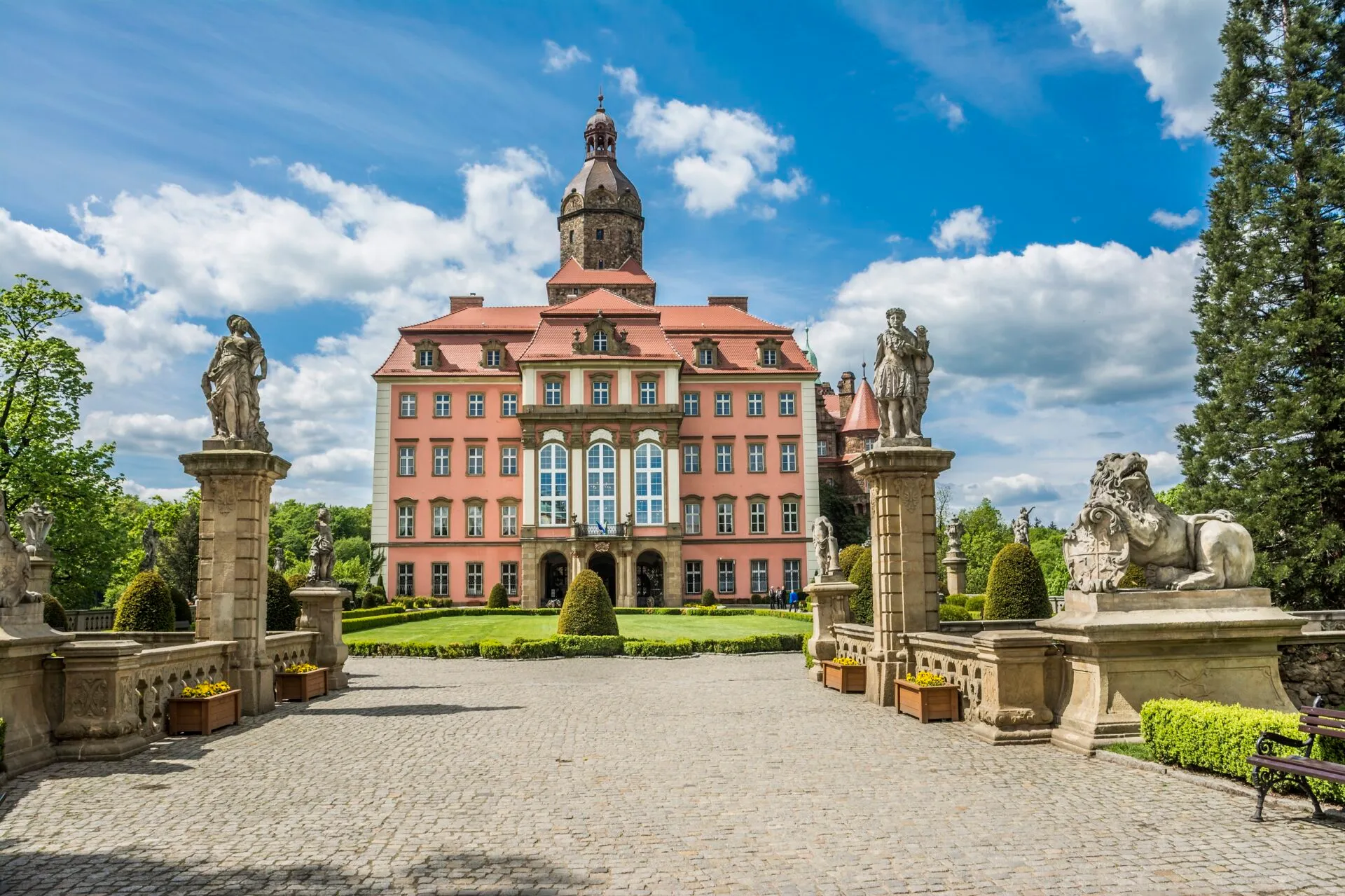
Why is it worth exploring? For its incredible history, rich cultural heritage, enchanting nature, spas and spa climate, and varied mountainous terrain suitable for families with children, seniors, and discerning tourists – cycling and extreme sports enthusiasts alike. The largest city in this tourist region is Wałbrzych, which serves as the cultural and tourist center of the area. Not to be missed is Świdnica and the charming adjacent Gruszów Palace.
Attractions of the Walbrzych Mountains – for lovers of nature and outdoor activities
Sudetes
Cultural heritage of Walbrzych land – castles, ruins and underground cities
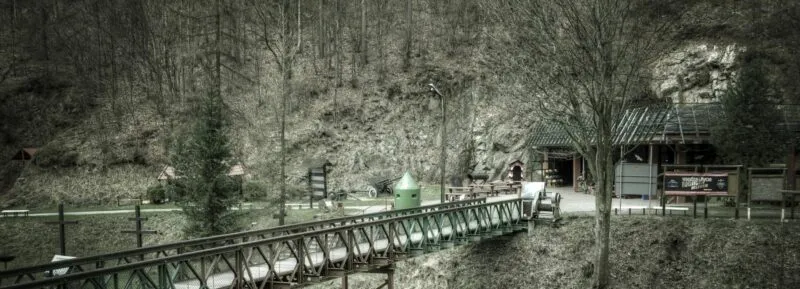
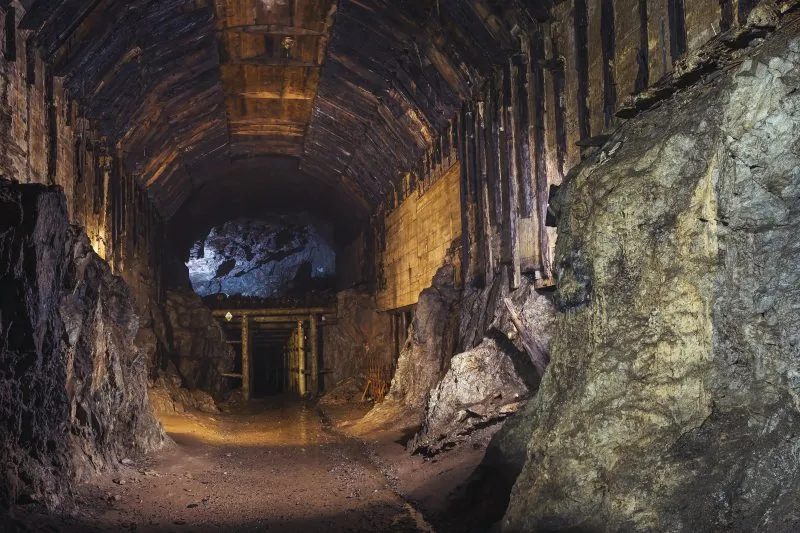
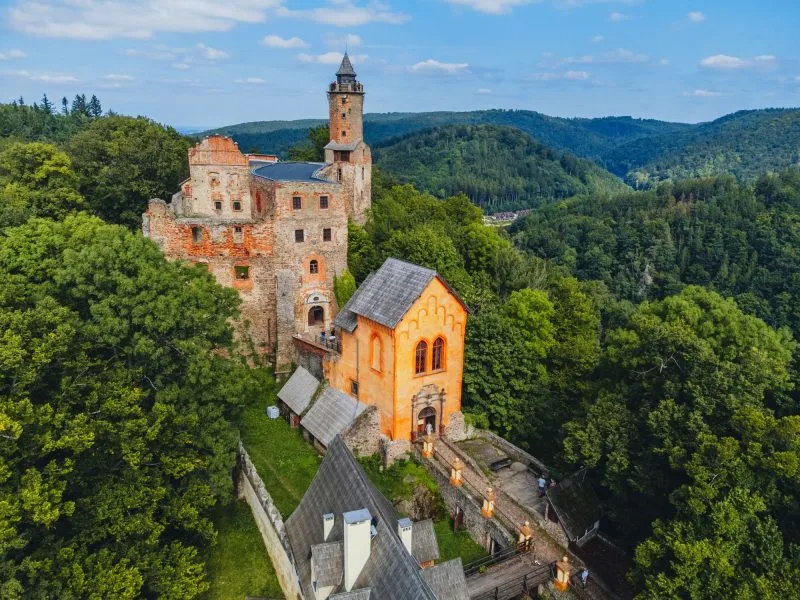
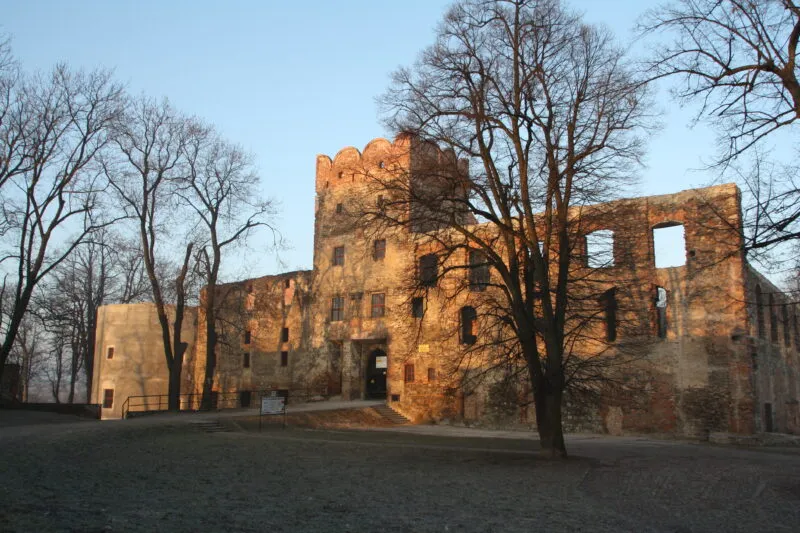
But the true treasure of the Wałbrzych region is its tangible cultural heritage. From Książ Castle – one of the most beautiful and impressive in Poland, home to the famous Stallion Herd – a large equestrian and horse sports center; through numerous medieval castles and ruins (Grodno Castle in Zagórze Śląskie, the ruins of Radosno Castle and Cisy Castle); to the complexes of rock-cut tunnels from World War II, known as underground cities. The most important of these are the Walim Adits and the Osówka Underground City.
Sowie Mountains – viewpoints and unforgettable views of the Sudetes
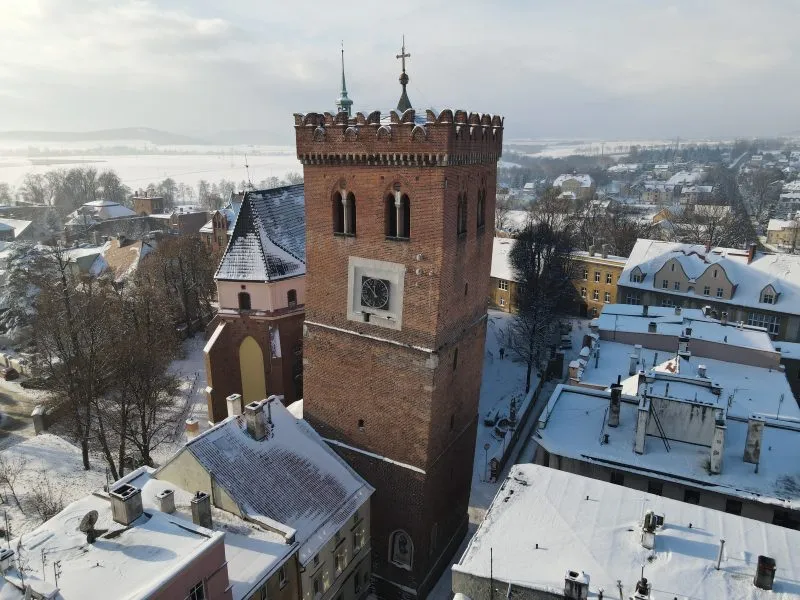
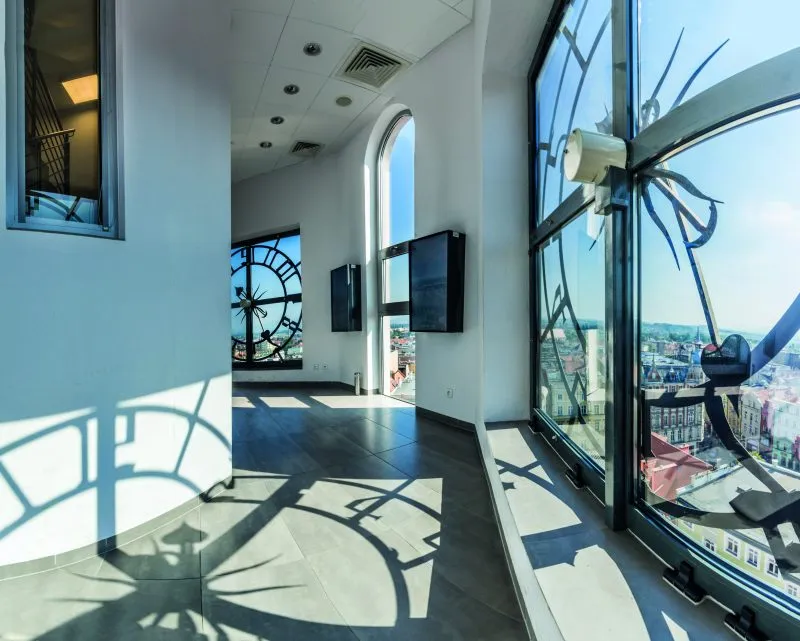
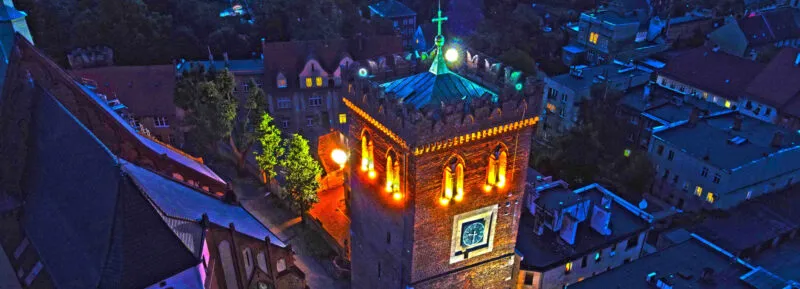
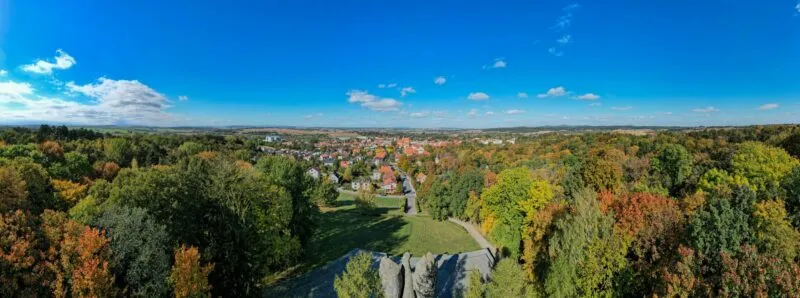
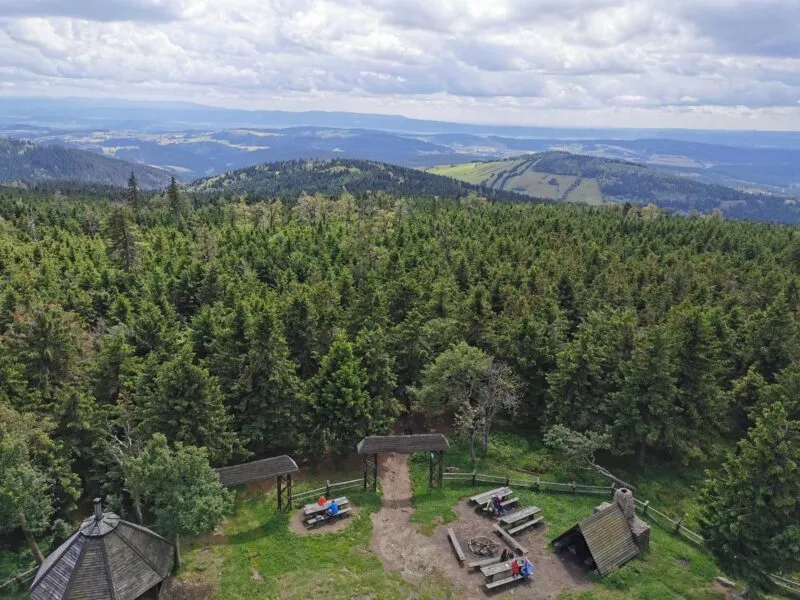
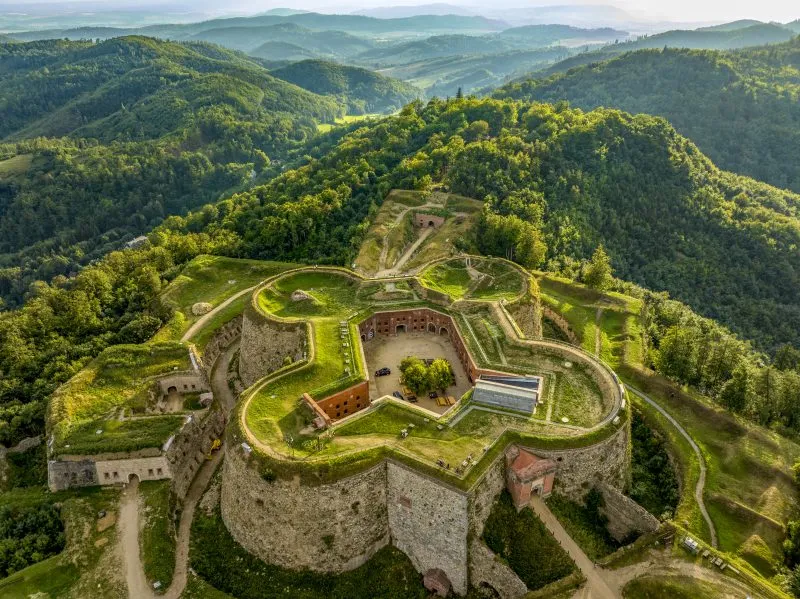
While in the Owl Mountains, be sure to visit the observation tower on Wielka Sowa, the highest peak in the range, rising to 1,015 meters. The 25-meter-high tower is a symbol of these mountains. Built in 1906, it was created as a result of the then-current cult of Otto von Bismarck, the first Chancellor of the German Reich. As many as 240 towers worldwide have been built on the same initiative. From here, you can admire expansive views of almost the entire Sudetes, from the Karkonosze Mountains to the Śnieżnik Massif, and on clear days, you can even see Wrocław. Other worth-seeing vantage points include the tower of the Assumption of the Blessed Virgin Mary Church in Bielawa, the tower at the summit of Kalenica, and the Srebrna Góra Fortress, which is also a unique monument of military architecture.
Ruins of castles and picturesque landscapes – the Owl Mountains in a nutshell
The Owl Mountains also attract many tourists thanks to their medieval castles and picturesque ruins. Be sure to see the impressive Grodno Castle in Zagórze Śląskie, currently being restored to its former glory. In Zagórze, it’s also worth seeing the spectacular Bystrzyca River Dam and the resulting Bystrzyckie Lake. The castle in Owiesno and the ruins of Rogowiec Castle are also impressive.

The Local Tourist Organization “Walbrzych Agglomeration” operates in the Walbrzych agglomeration.
Gallery
 22
22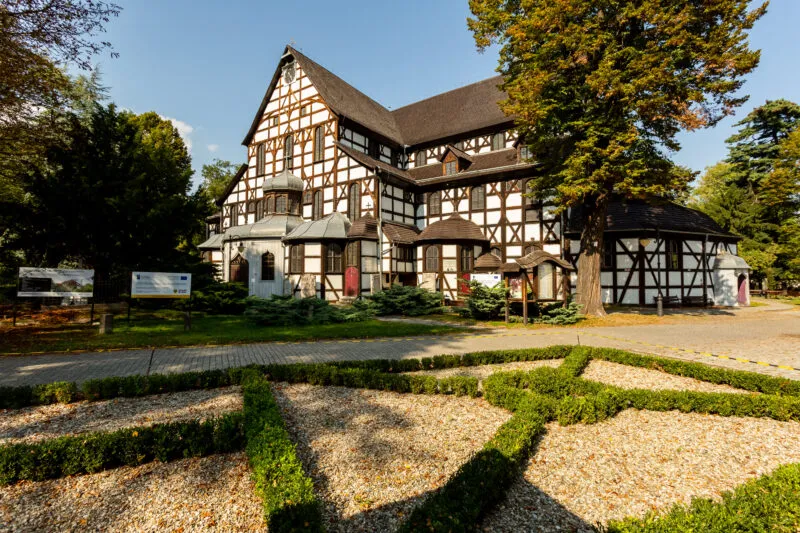 22
22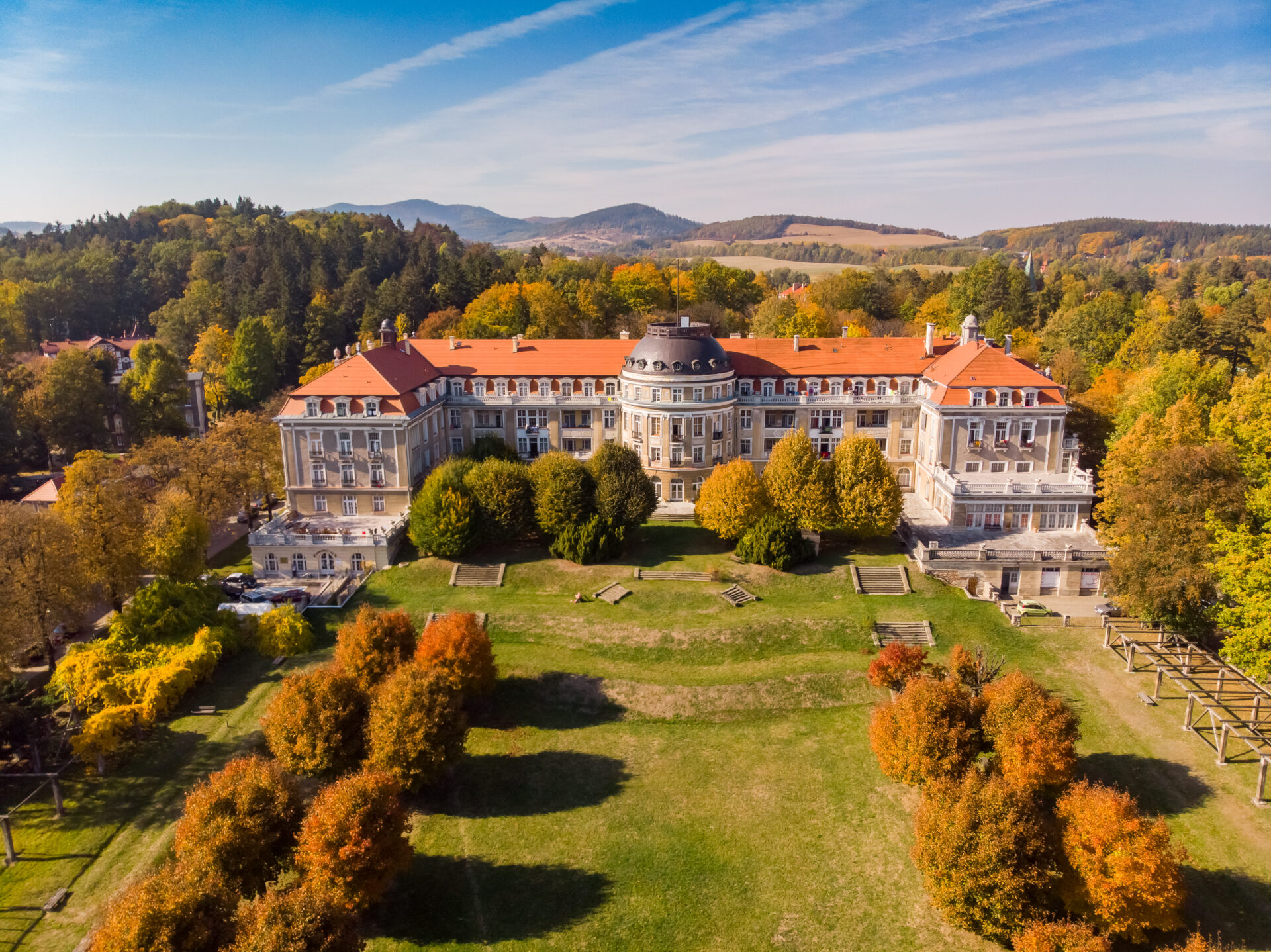
Szczawno-Zdrój Dom Zdrojowy, fot. Marcin Jagiellicz
22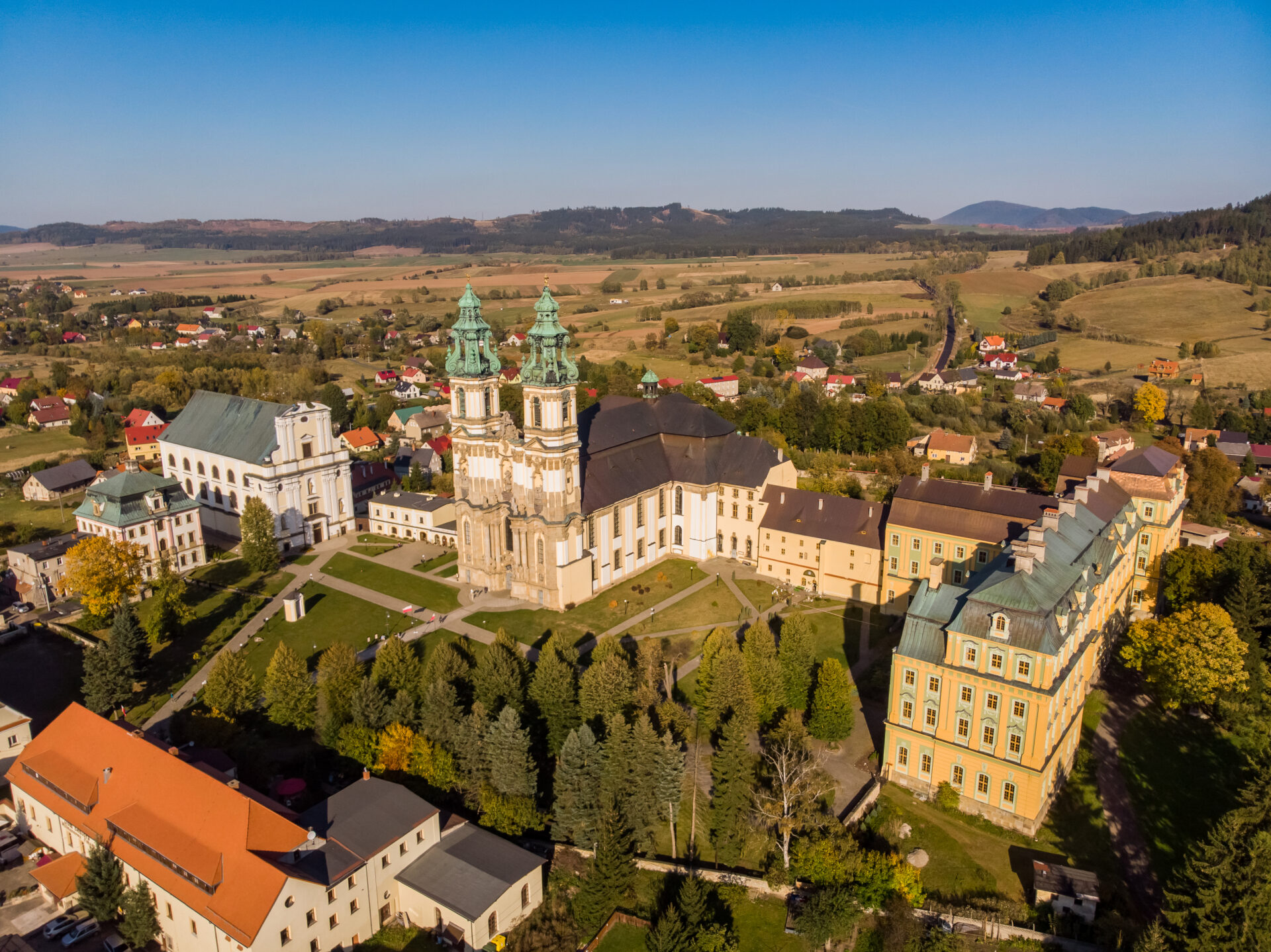
Krzeszów - Opactwo Cystersów, fot. Marcin Jagiellicz
22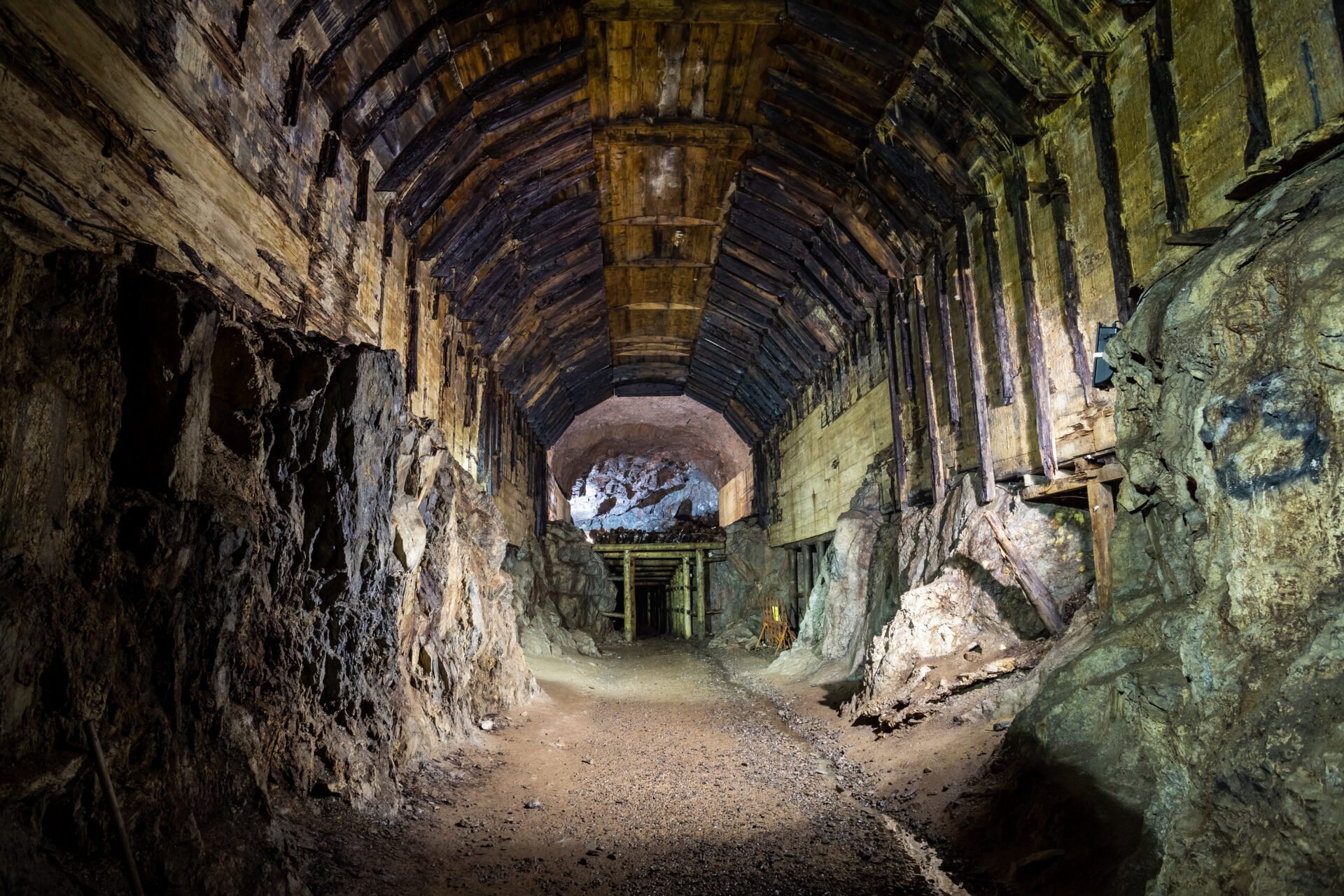
Głuszyca Osówka, fot. Marcin Jagiellicz
22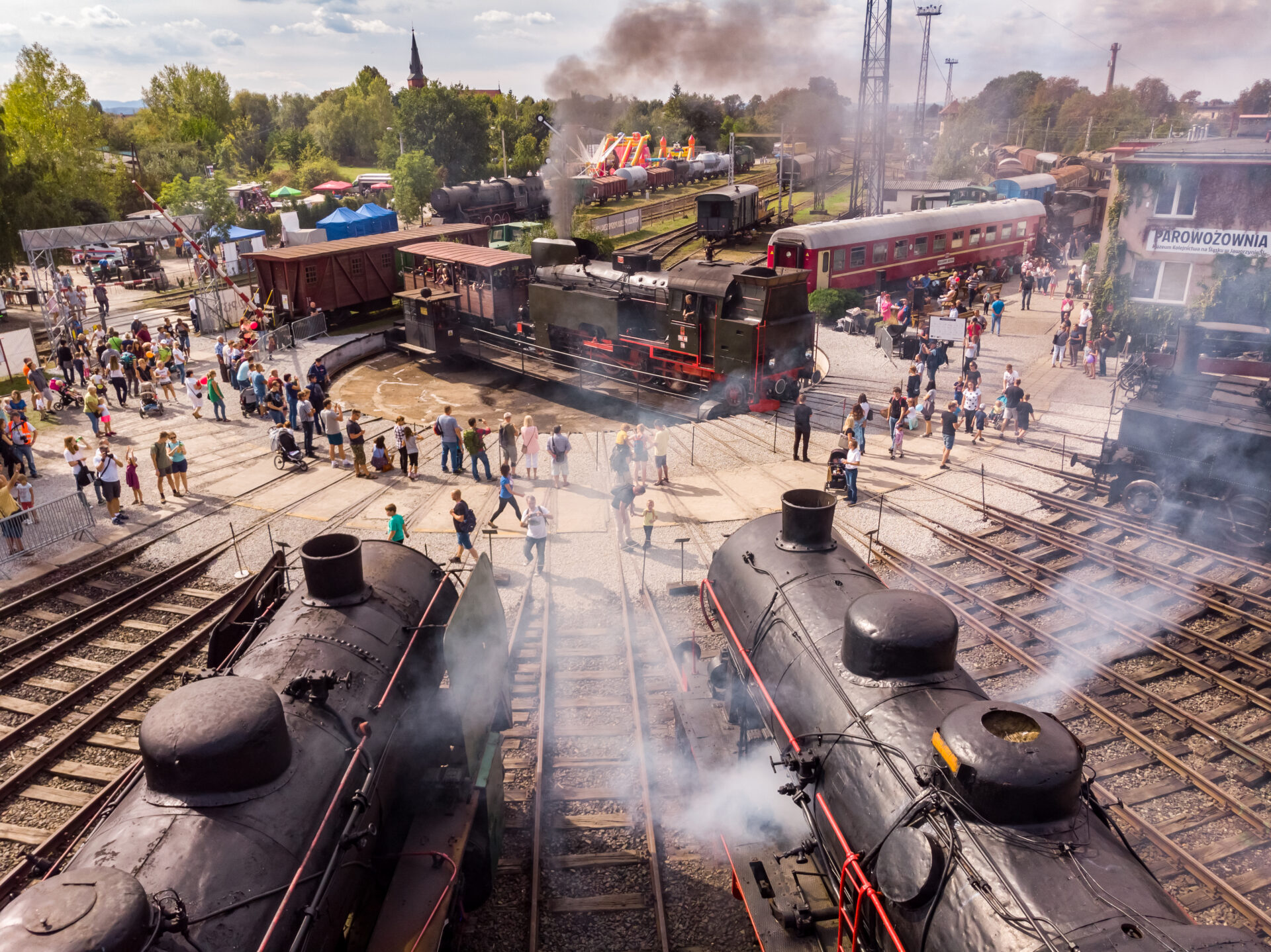
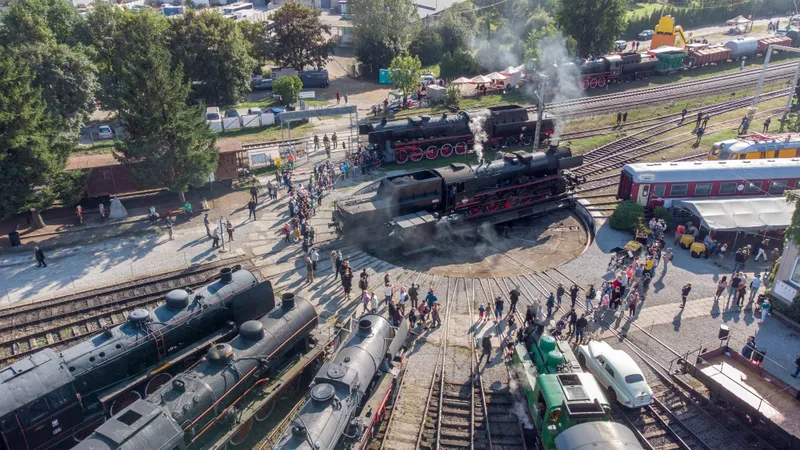
Jaworzyna Śląska - Mauzeum Kolejnictwa, fot. Marcin Jagiellicz
22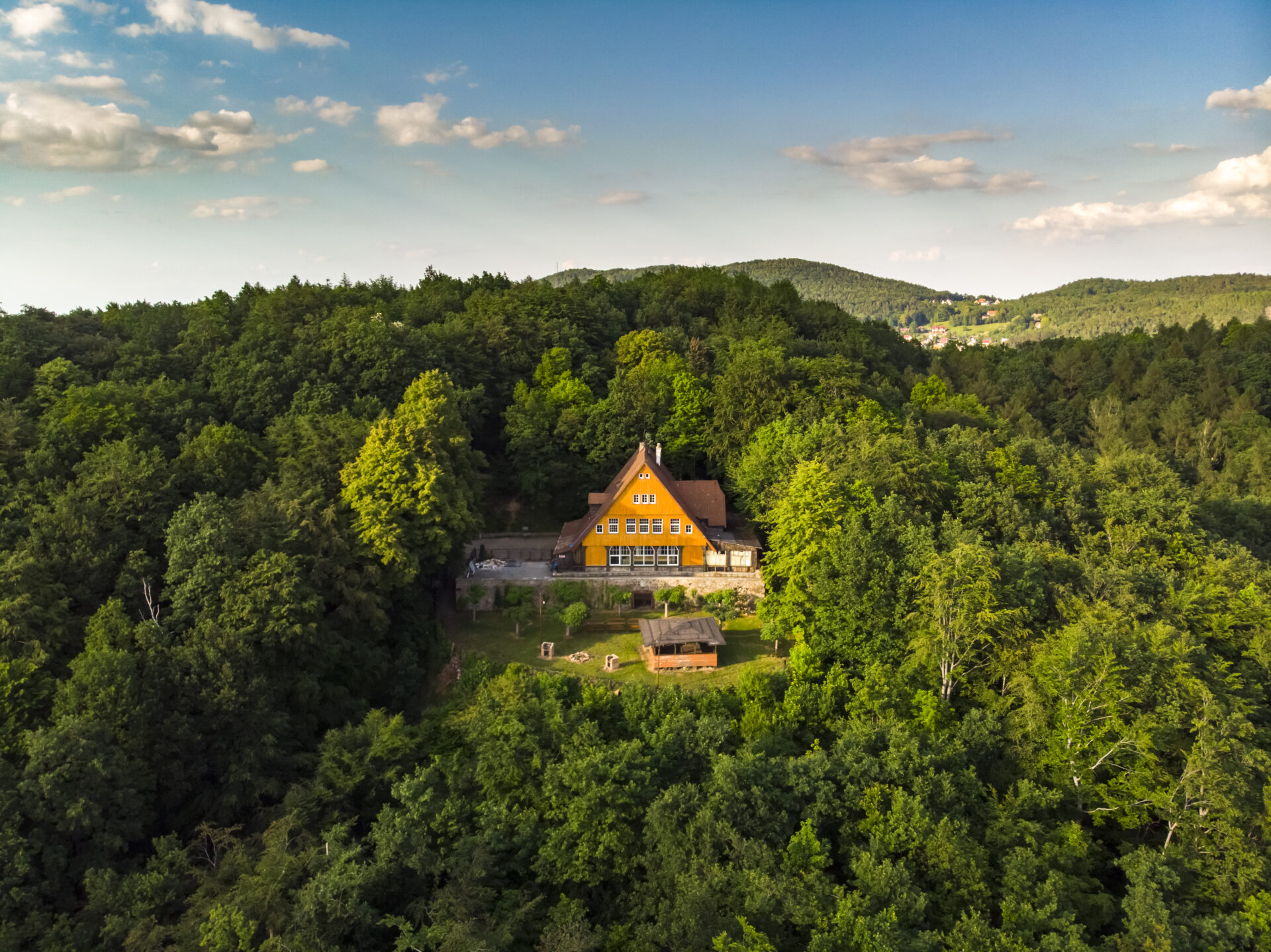
Wałbrzych - Park Sobieskiego Harcówka, fot. Marcin Jagiellicz
22Discover the area
It is also impossible not to mention the spas in Jedlin-Zdroj and Szczawn-Zdroj, famous for their excellent therapeutic waters, as well as Sokolowsk with its beautiful architecture and specific microclimate. Also worth remembering is the Osowka Underground City - the largest part of the complex of underground corridors and halls located in the Owl Mountains, which is open to the public. Osowka is part of the "Riese" project implemented by the German Nazis between 1943 and 45. The network of underground corridors was probably intended to house Nazi weapons factories. According to other sources, Hitler's headquarters and the command of the German armed forces were to be located in some of them. In Osowka one can see 1700 meters of underground tunnels and two large above-ground structures.