

Search
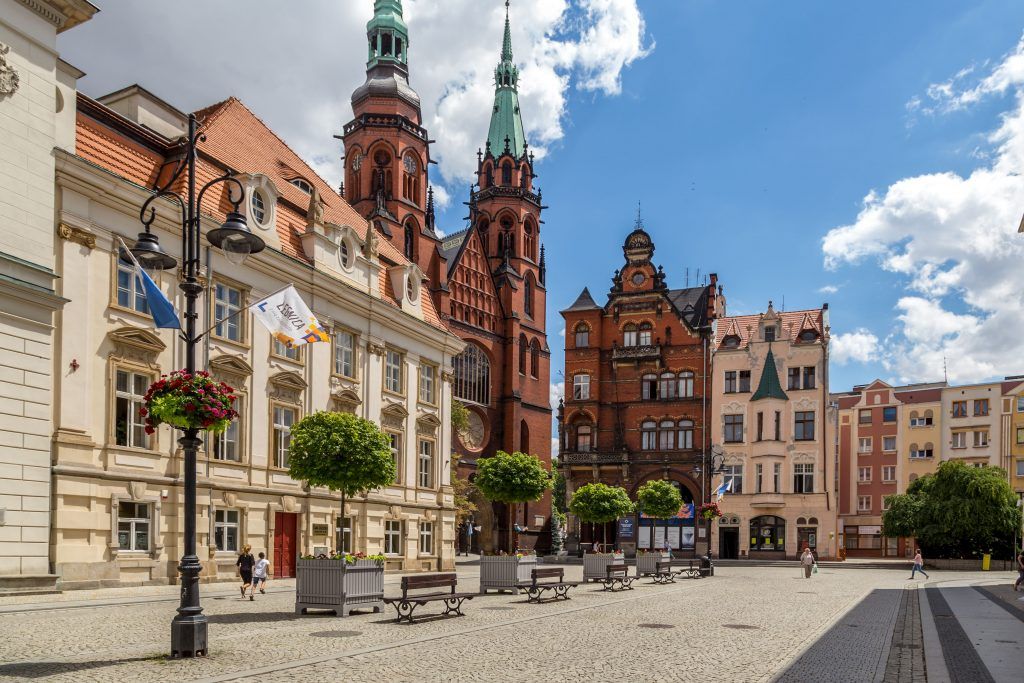
Rynek w Legnicy, fot. Miasto Legnica
"Journey into the Unknown" route
In the north-western part of Lower Silesia there are places that still escape the attention of many travelers. Although Legnica and Głogów are well-known, the small Chojnów, the charming Przemkowski Landscape Park and the vast Lower Silesian Forests deserve equally great attention. This region, full of natural and historical treasures, can charm anyone who decides to discover it, encouraging them to return again and again..
Legnica
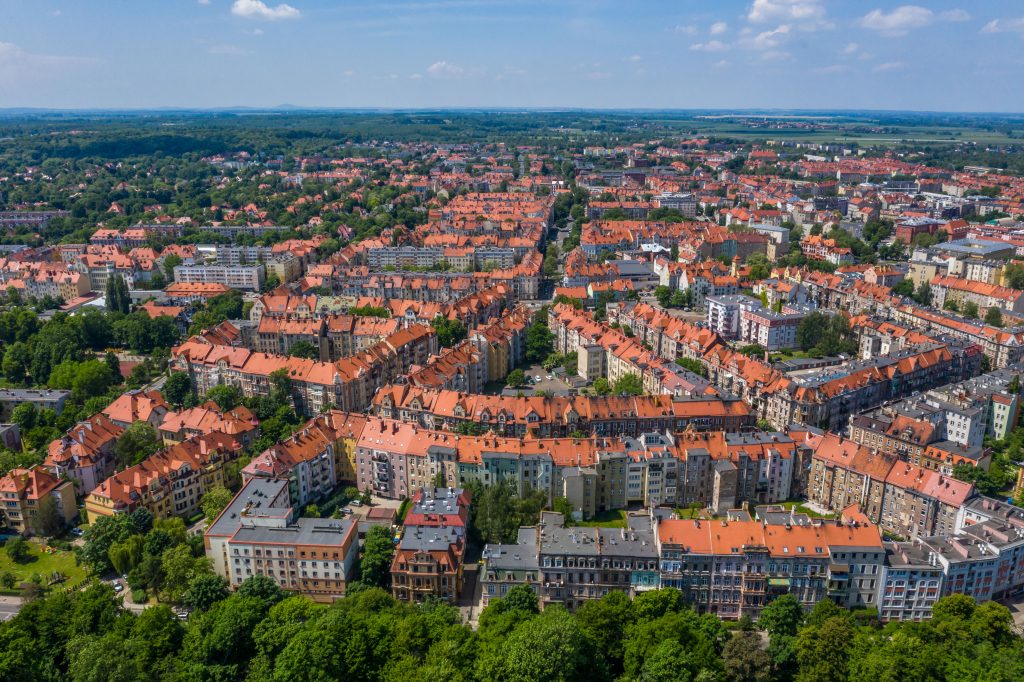
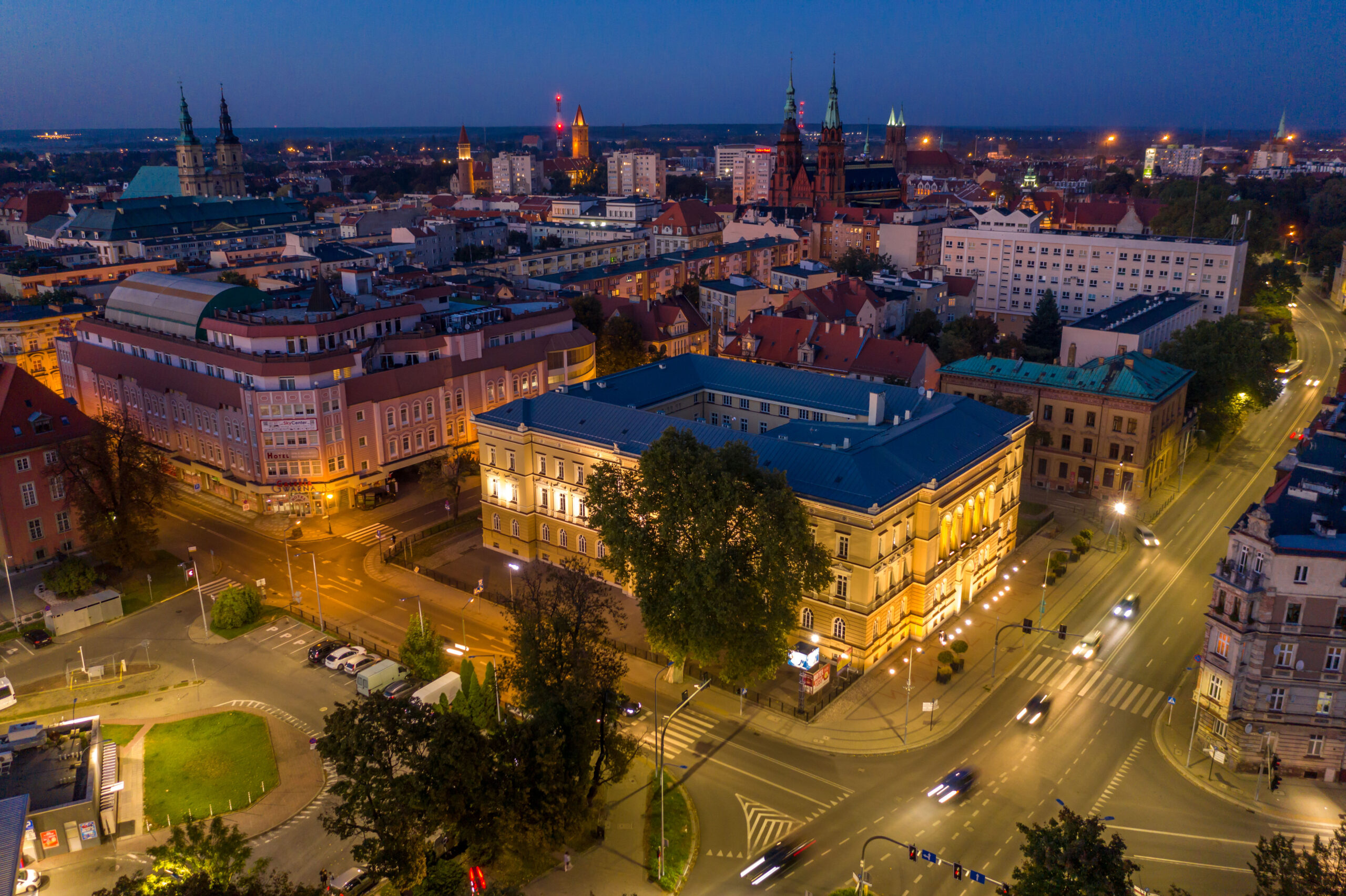
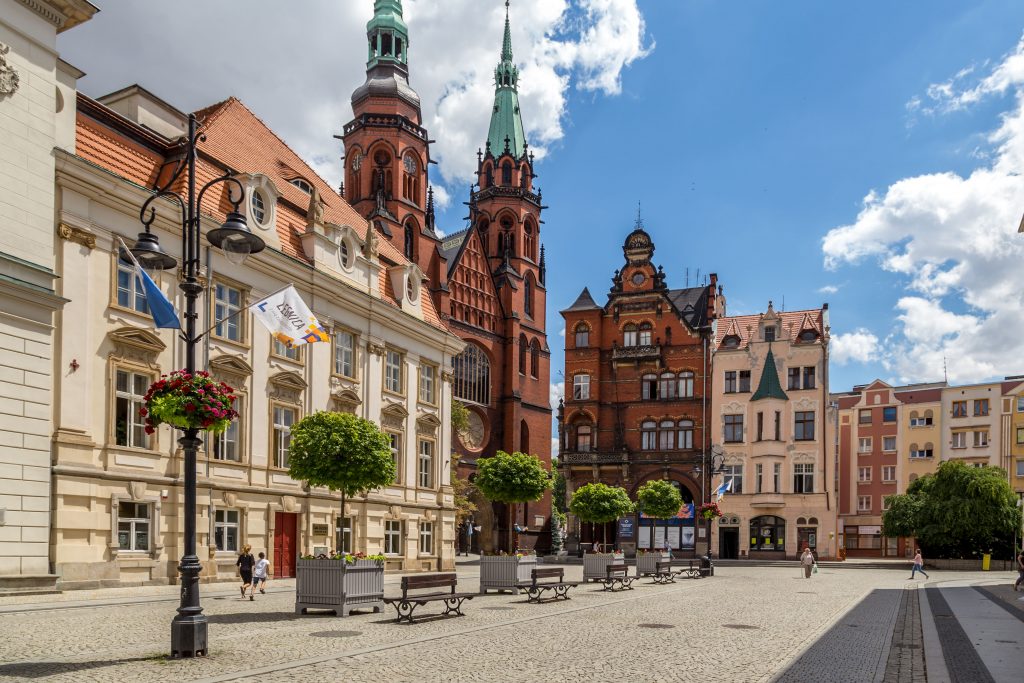
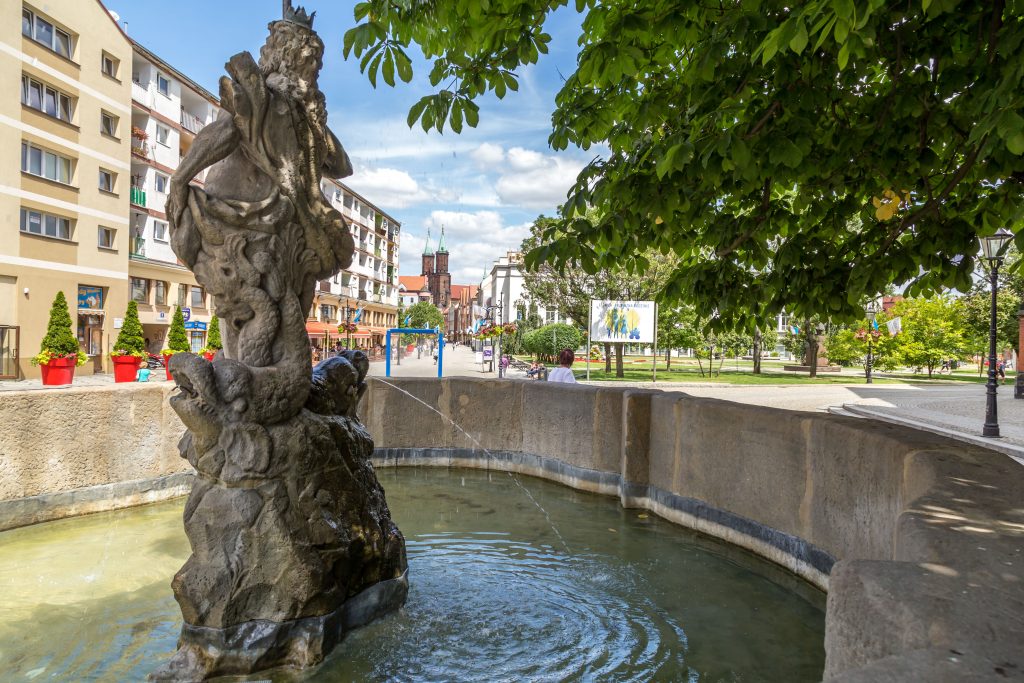
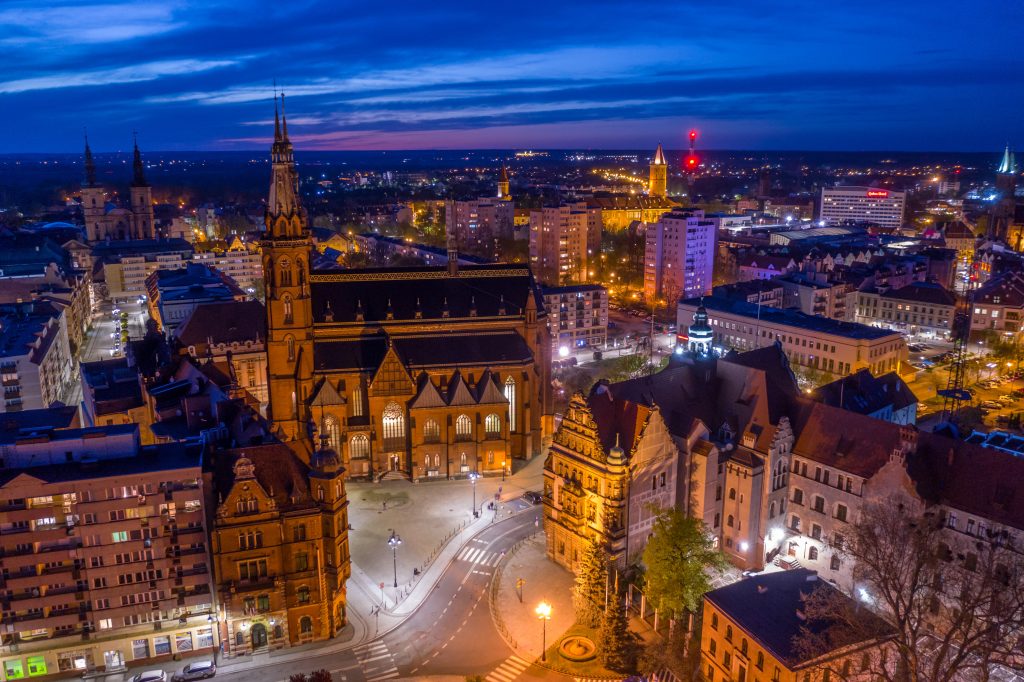
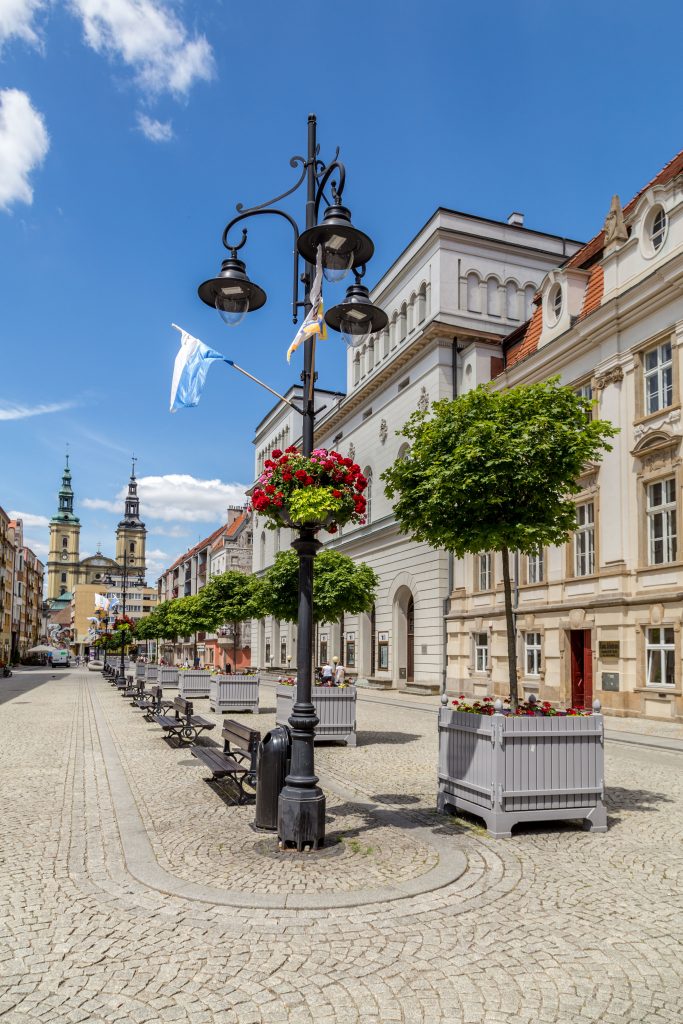
A visit to this corner of Lower Silesia is best started with a solid dose of historical and cultural knowledge. The Copper Museum, located in the very center of the city, is an ideal place for this. Its headquarters are located in a historic palace that once belonged to the Cistercians from Lubiąż and adjoin the Church of St. John the Baptist, which houses the mausoleum of the Silesian Piast dynasty. At the museum, you can learn about the history of the city and region, as well as many interesting facts about copper. Interesting exhibitions are also located in the adjacent Knights' Academy building. After arming yourself with this knowledge, you can confidently set off on a journey through Legnica. Leaving the museum, it's best to head to the market square. In its central part, picturesque tenement houses tower. The tower of the Cathedral of St. Peter and St. Paul dominates their rooftops. The history of this church dates back to the early 13th century. Its current neo-Gothic character was given to it during reconstruction in the late 19th century. Alongside the cathedral runs Najświętszej Marii Panny Street. This is a city promenade that leads to the Evangelical-Augsburg Church of the Blessed Virgin Mary. At this point, you can turn left and head towards the Piast Castle and the Głogów Gate, or take the right path, which will take you to the city park. White Eagle Avenue leads to the banks of the Kaczawa River and the multimedia fountain. A shorter, but equally interesting option is a visit to Goat Pond, located in the northern part of the park. You can return to the Old Town via a convenient footbridge over Witelona Street. Take Route 94 to leave Legnica and head towards Chojnów. This is an optional stop along the route and will appeal mainly to architecture enthusiasts.
Chojnów
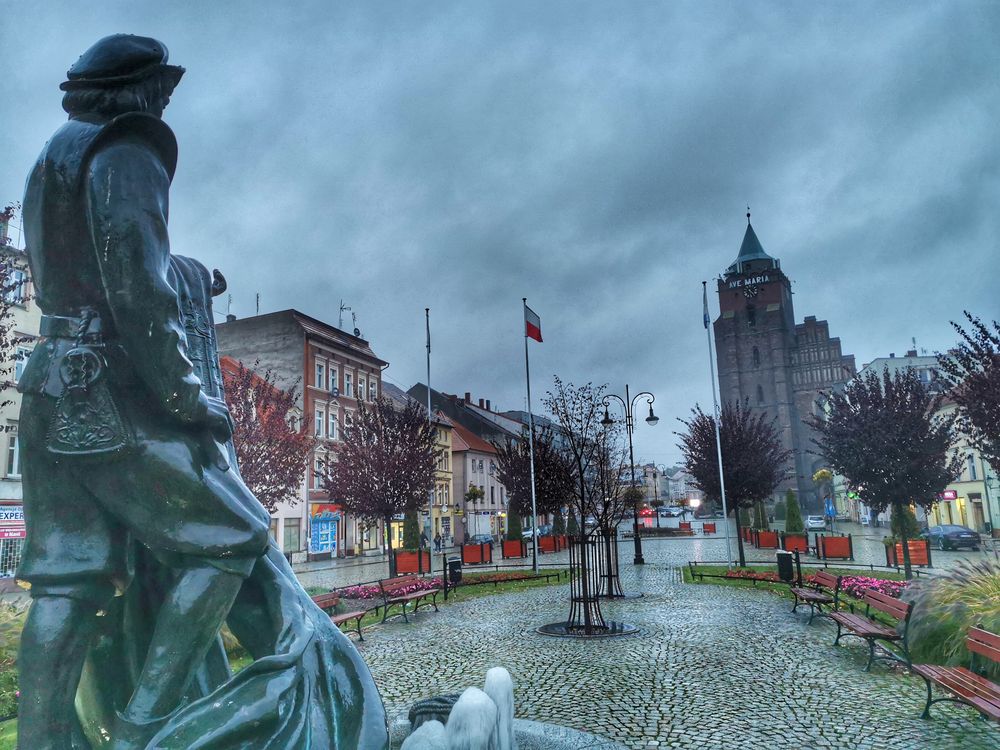
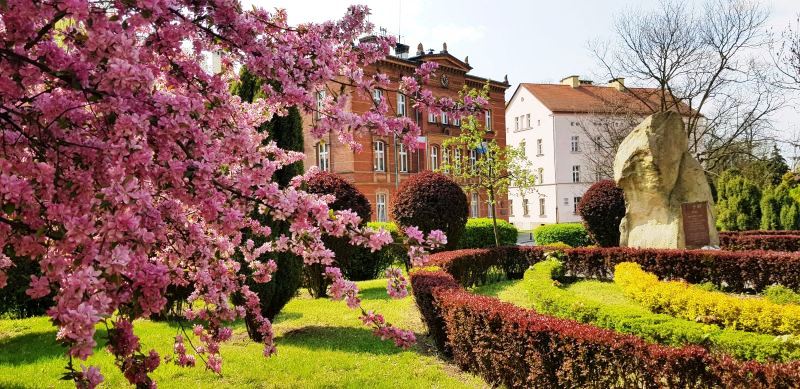
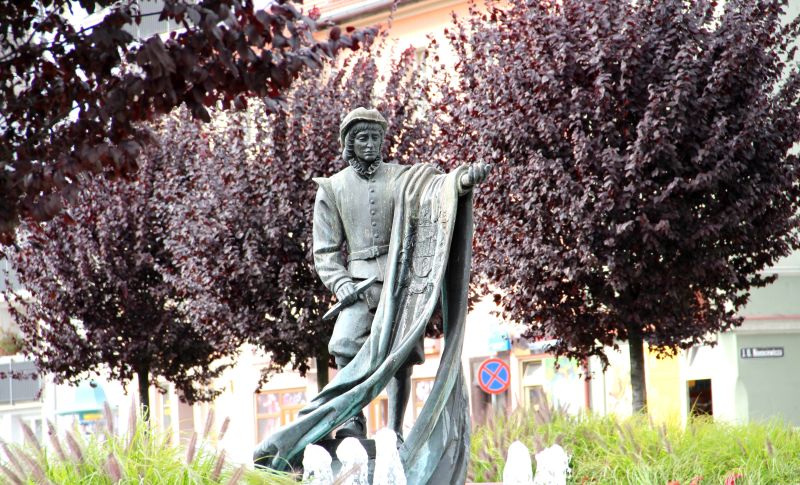
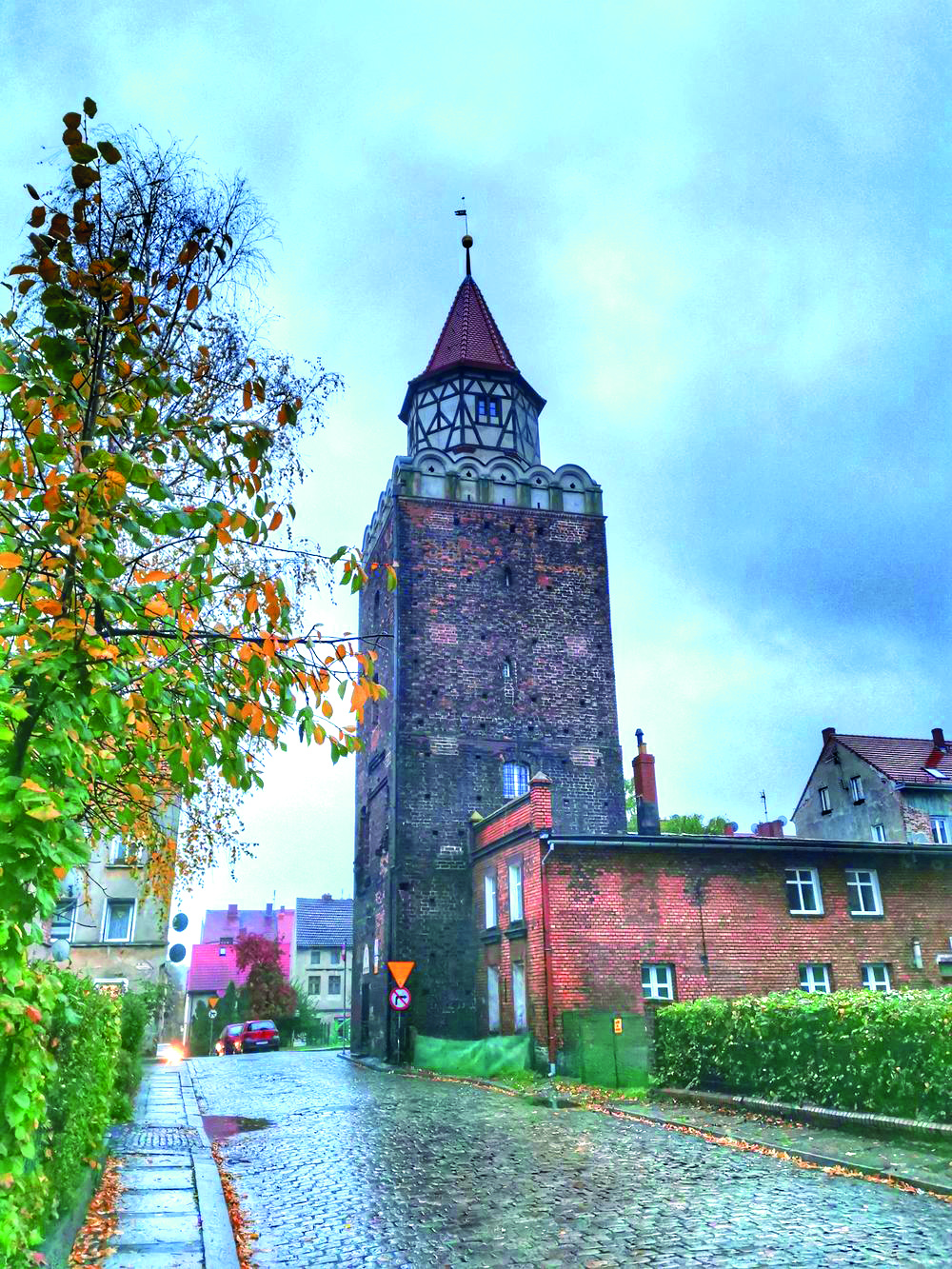
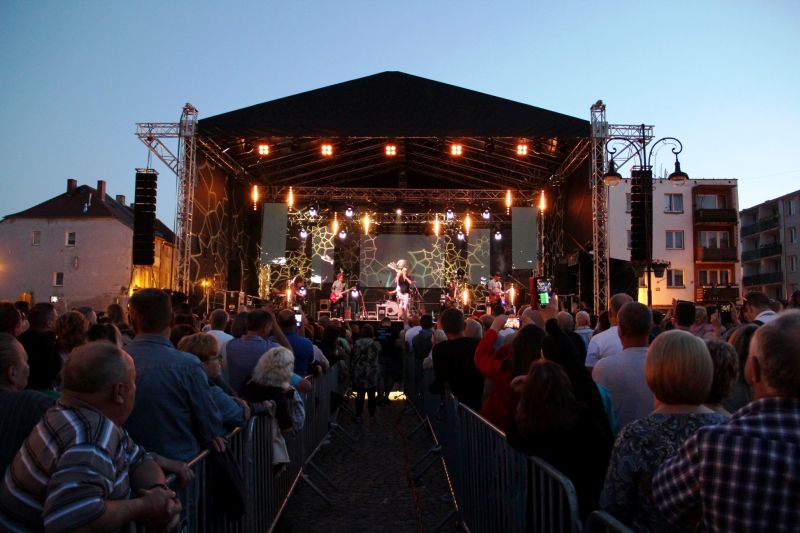
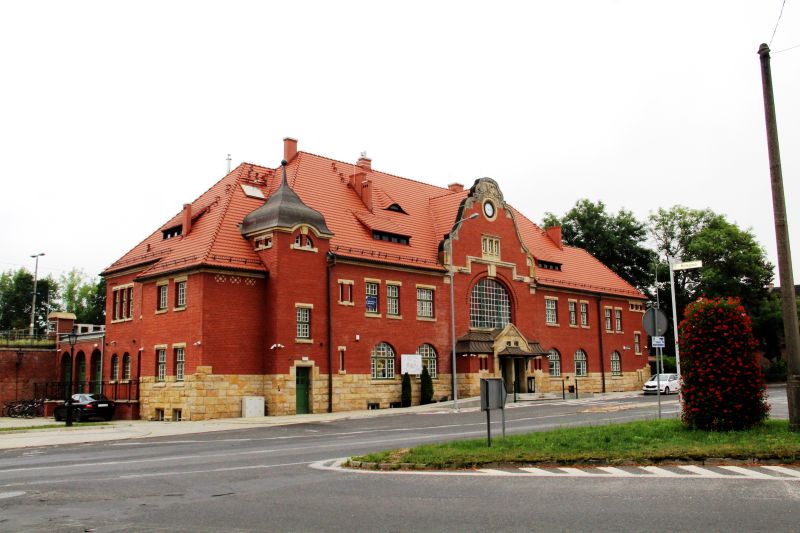
At first glance, it's clear that the Chojnów market square is a unique place. Its shape resembles an elongated triangle with arms measuring 300 meters long and a base measuring 60 meters. At the top of the hill stands the historic Church of St. Peter and St. Paul. In the center is the Weaver's Fountain. At the intersection of Rynek and Chmielna streets stands the Schram House, built in the mid-16th century. Walking along Chmielna Street, you can reach the Piast Castle, which currently houses the Regional Museum. Behind it lies Śródmiejski Park. Route 94 continues to the village of Krzywa, where you turn right towards Modła, then through Gromadka until you reach the end of the road in Borówki. Where the asphalt ends, there's a clearly visible signpost directing you to the forest parking lot.
Blueberry Peat Bog Nature Reserve
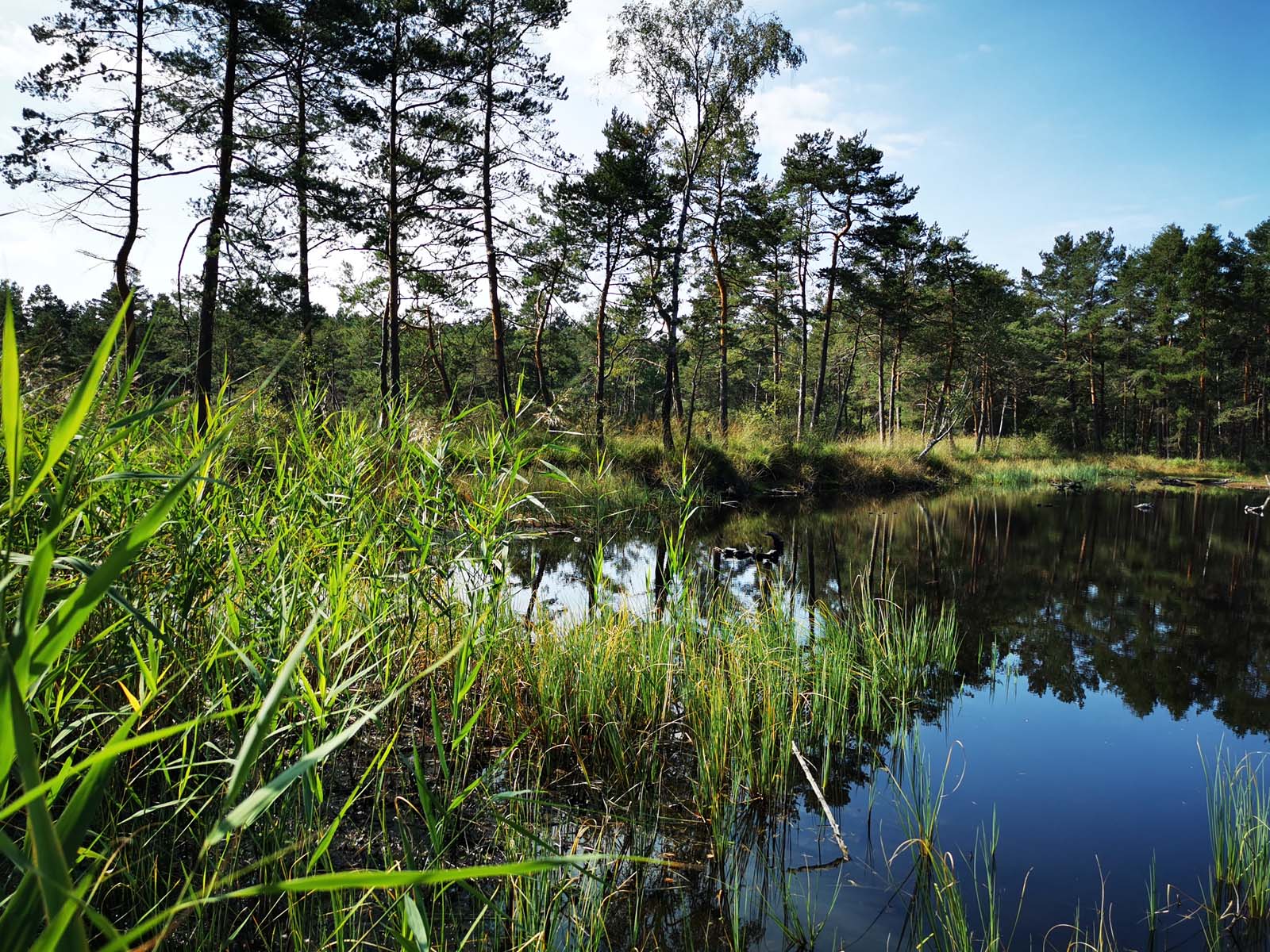
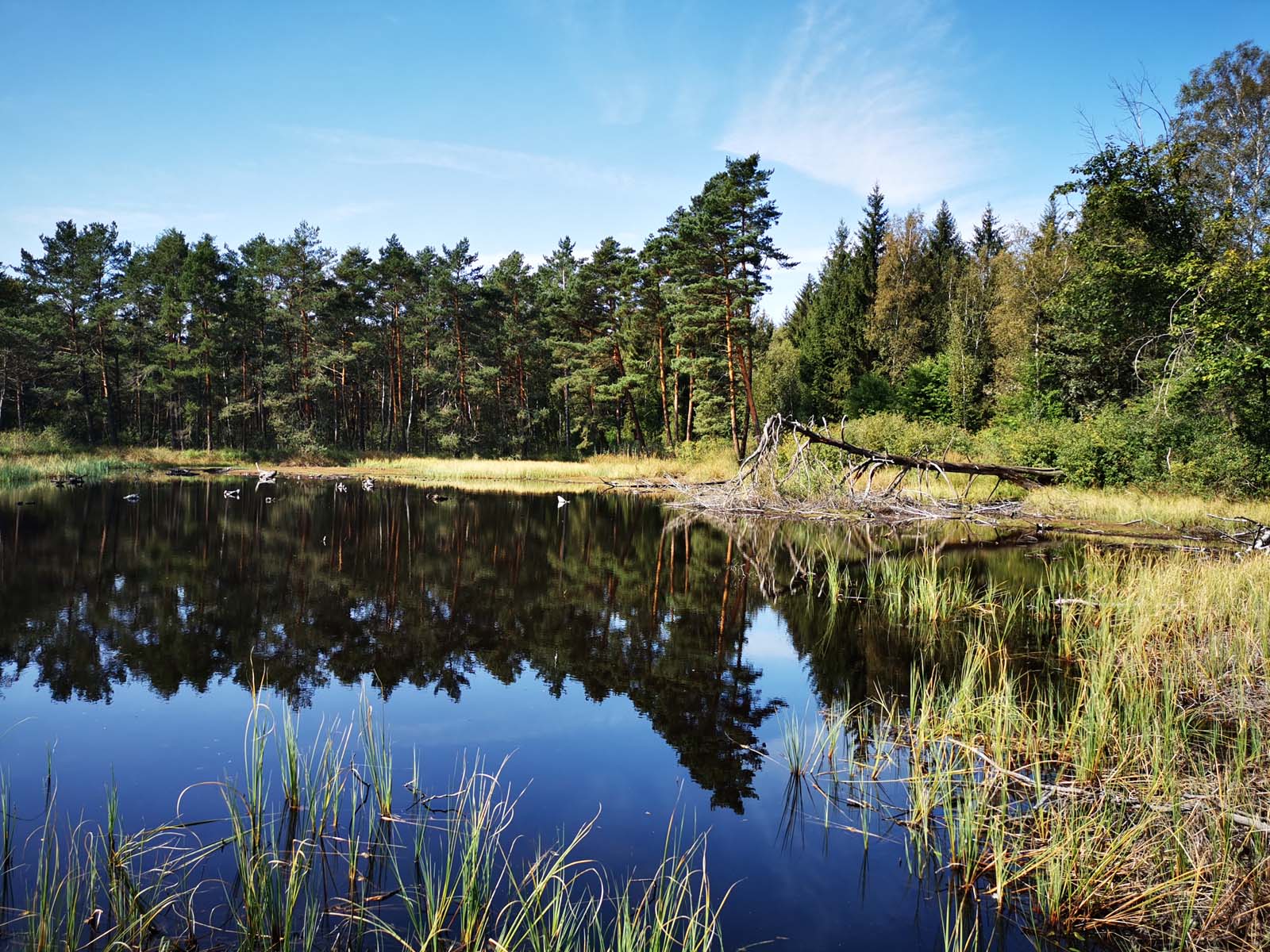
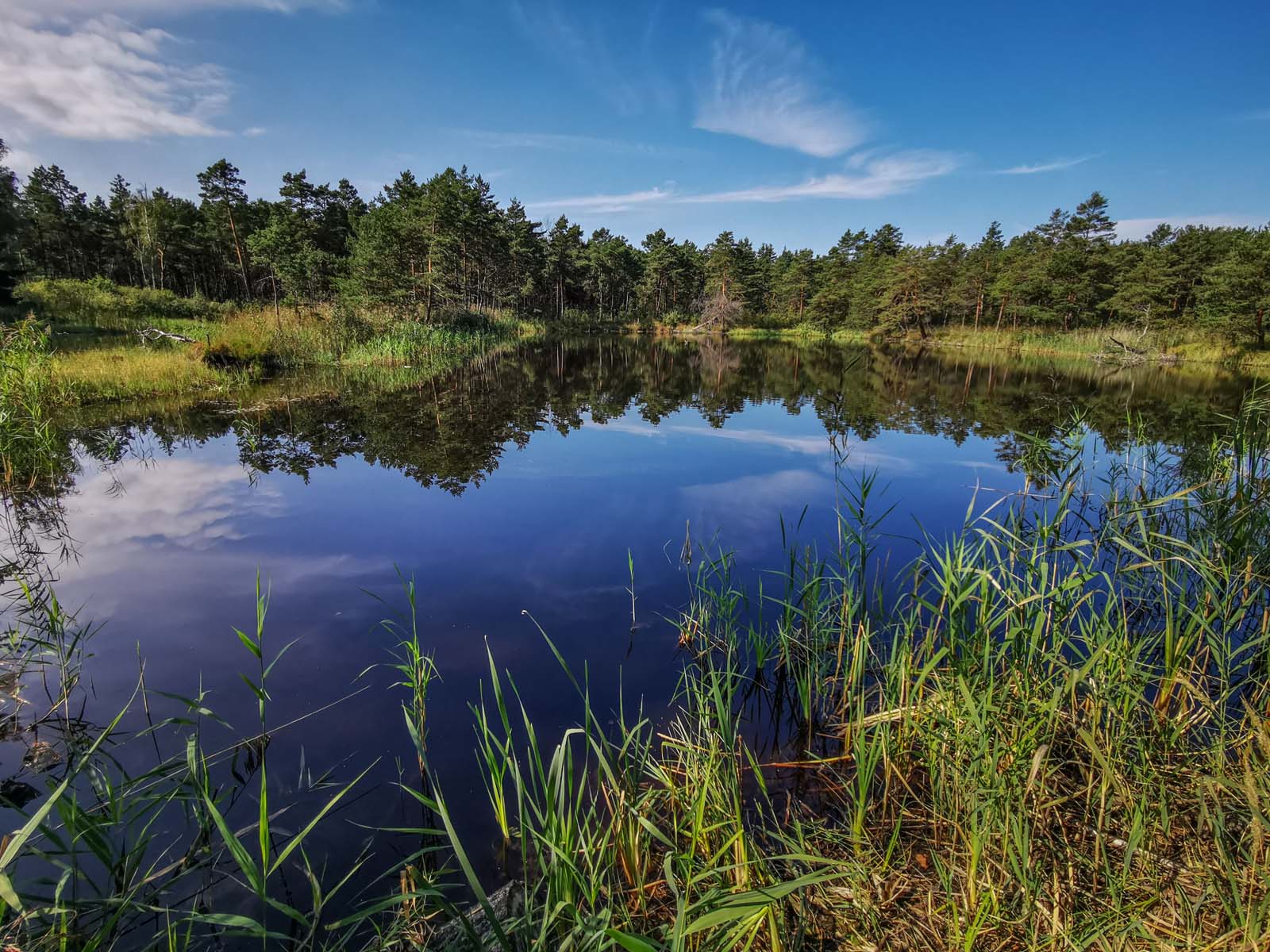
This place looks like a forest paradise. The road to the parking lot is lined with ancient oaks. The initial section of the forest road within the reserve is wide and paved, though there are some areas where the surface is quite uneven. Walking, you can admire the typical bog forest and rare plant species, including the common sundew and the cottongrass. An educational trail has been marked out within the reserve, featuring information boards describing the most important natural features of this corner of the Lower Silesian Forest. A special wooden platform overlooks the forest marsh. Following the signs, you'll reach a crossroads, where you'll turn right. After a while, you'll reach picturesque ponds that were created during the peat extraction era. Today, nature reigns supreme here. You can hear birdsong, and with a bit of luck, you might spot roe deer or deer coming to the watering hole. Unfortunately, at this stage, the road turns into a narrow and overgrown path, making navigation very difficult in places. At the edge of the ponds is an observation tower, and by making your way through the forest, you'll reach a crossroads, where a right turn will take you back to the starting point. Leaving the village of Borówki, head through Motyle to Chocianów. From there, take road no. 328 towards Przemków. Alternatively, you can stop in Wilkocin, which boasts interesting inland dunes nearby. Unfortunately, access to them is difficult due to the sandy roads in the area. Passing Przemków, the route leads through Łężce and Ostaszów to the start of a wooden footbridge.
Observation tower on the Przemkowskie Ponds
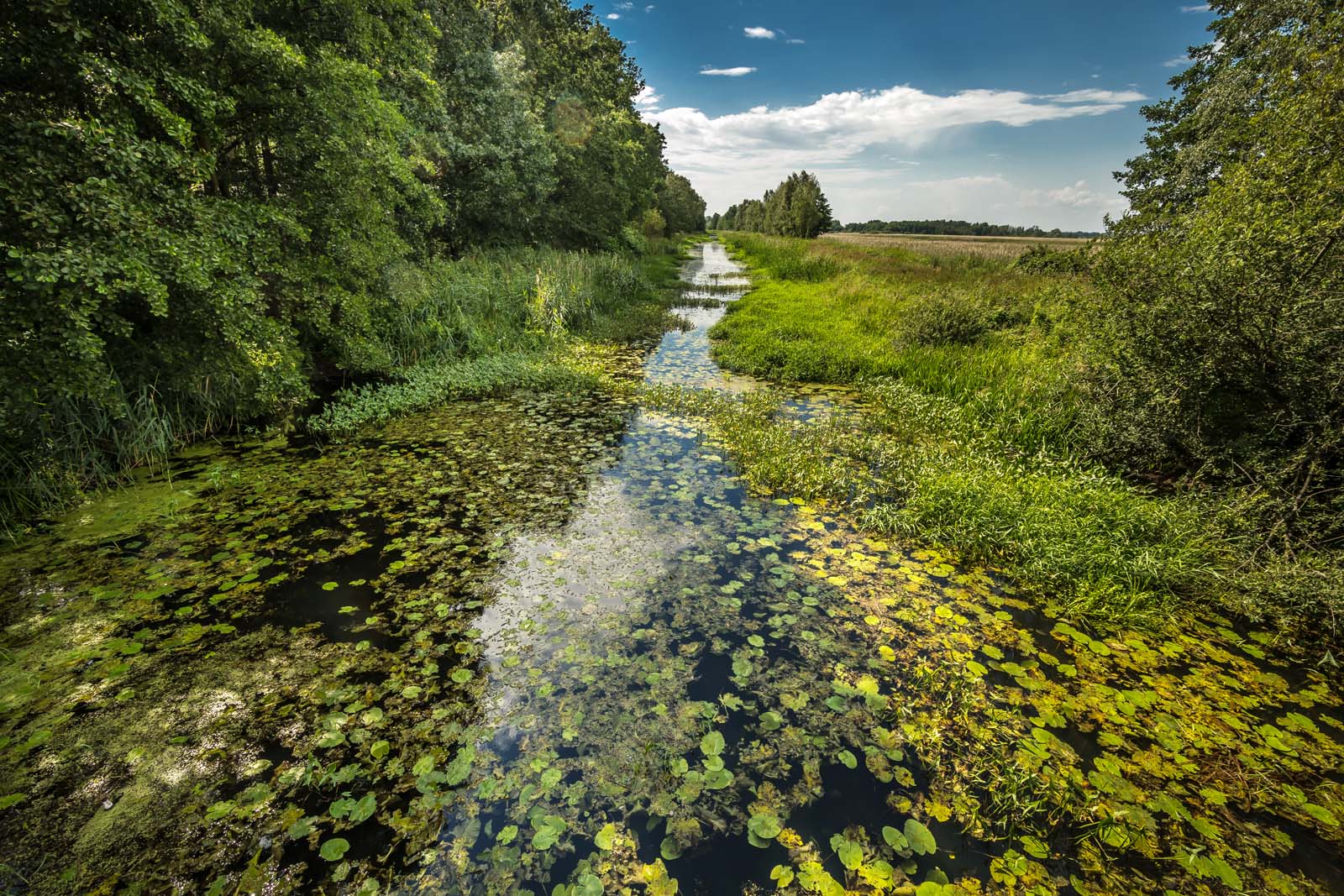
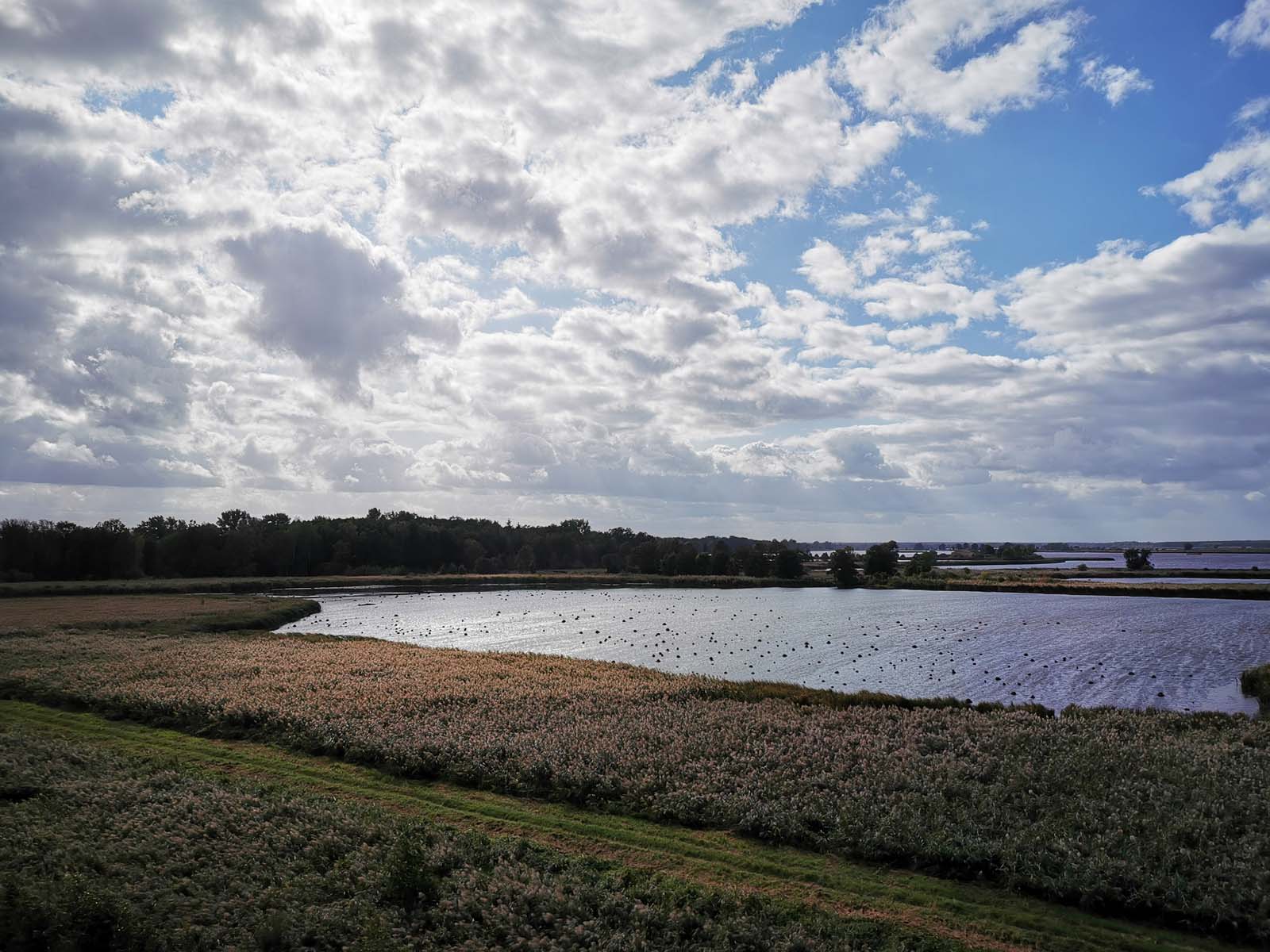
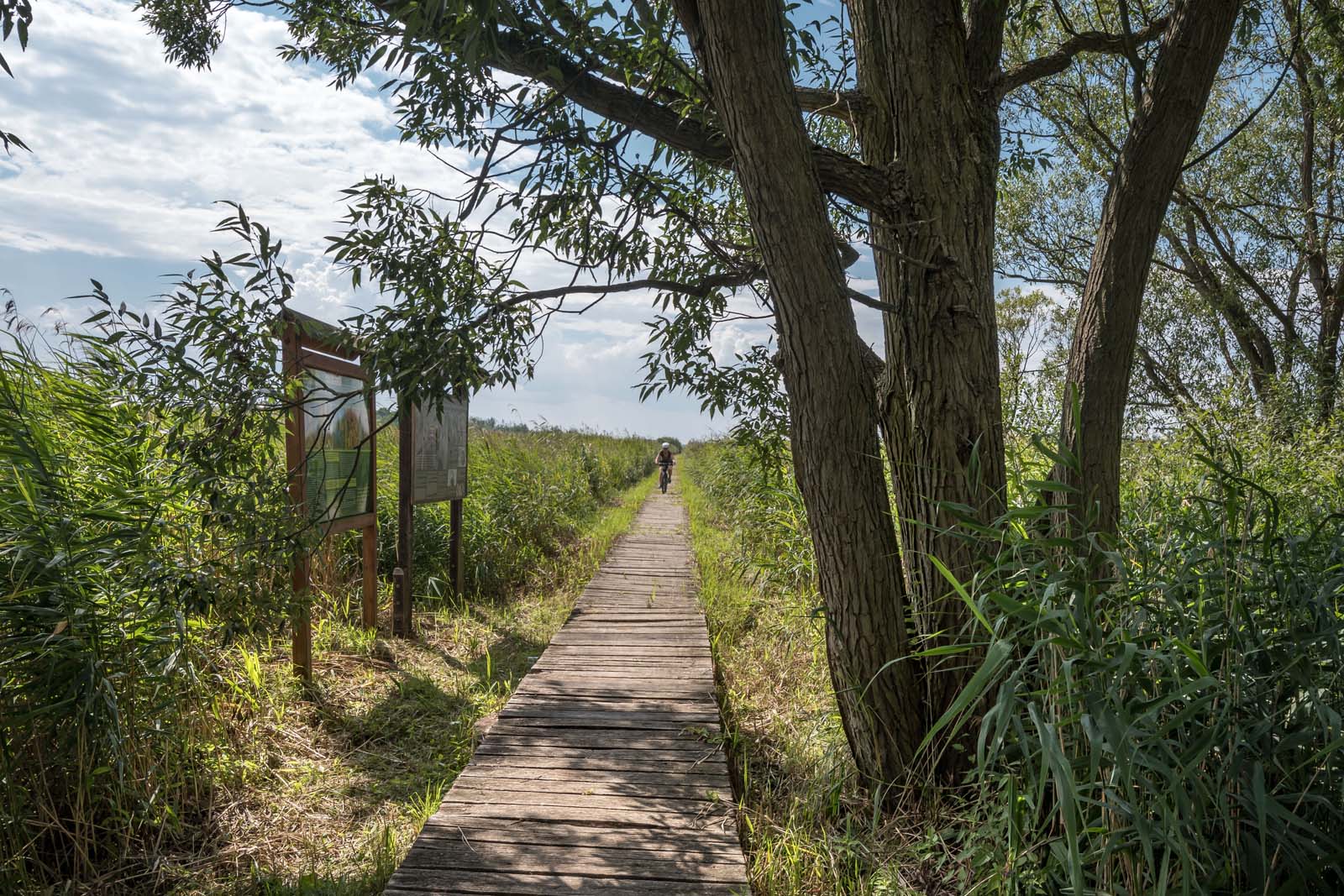
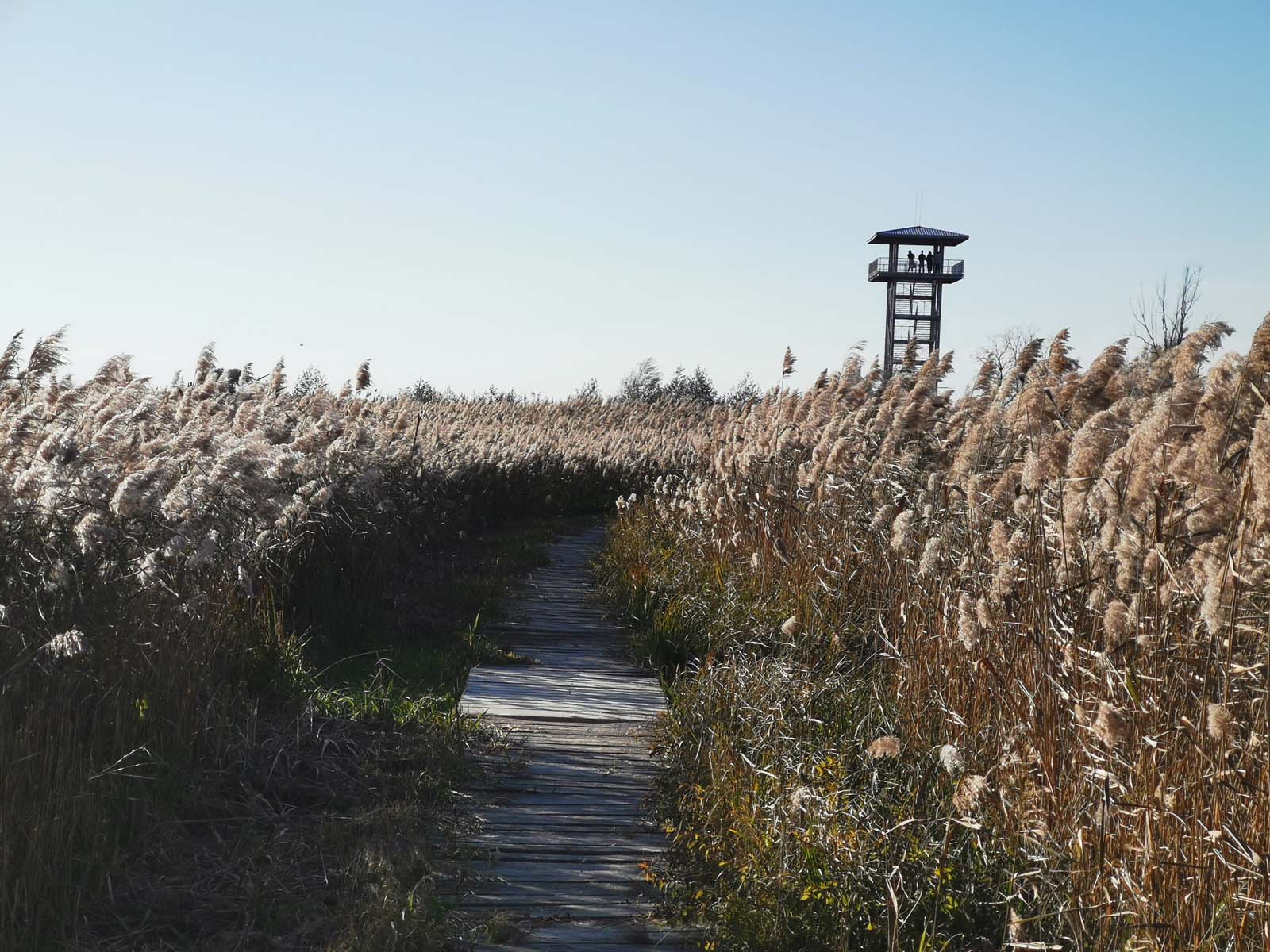
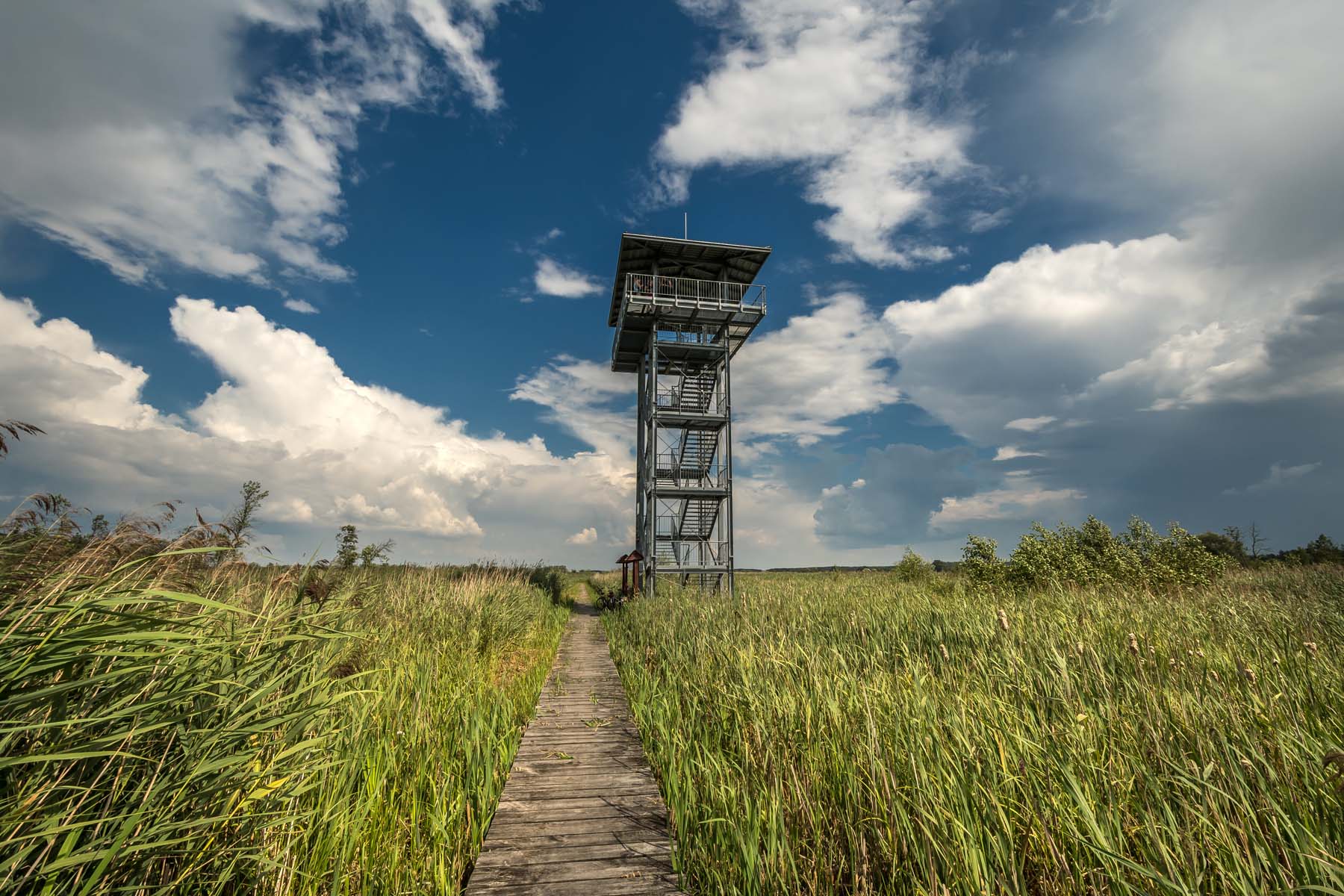
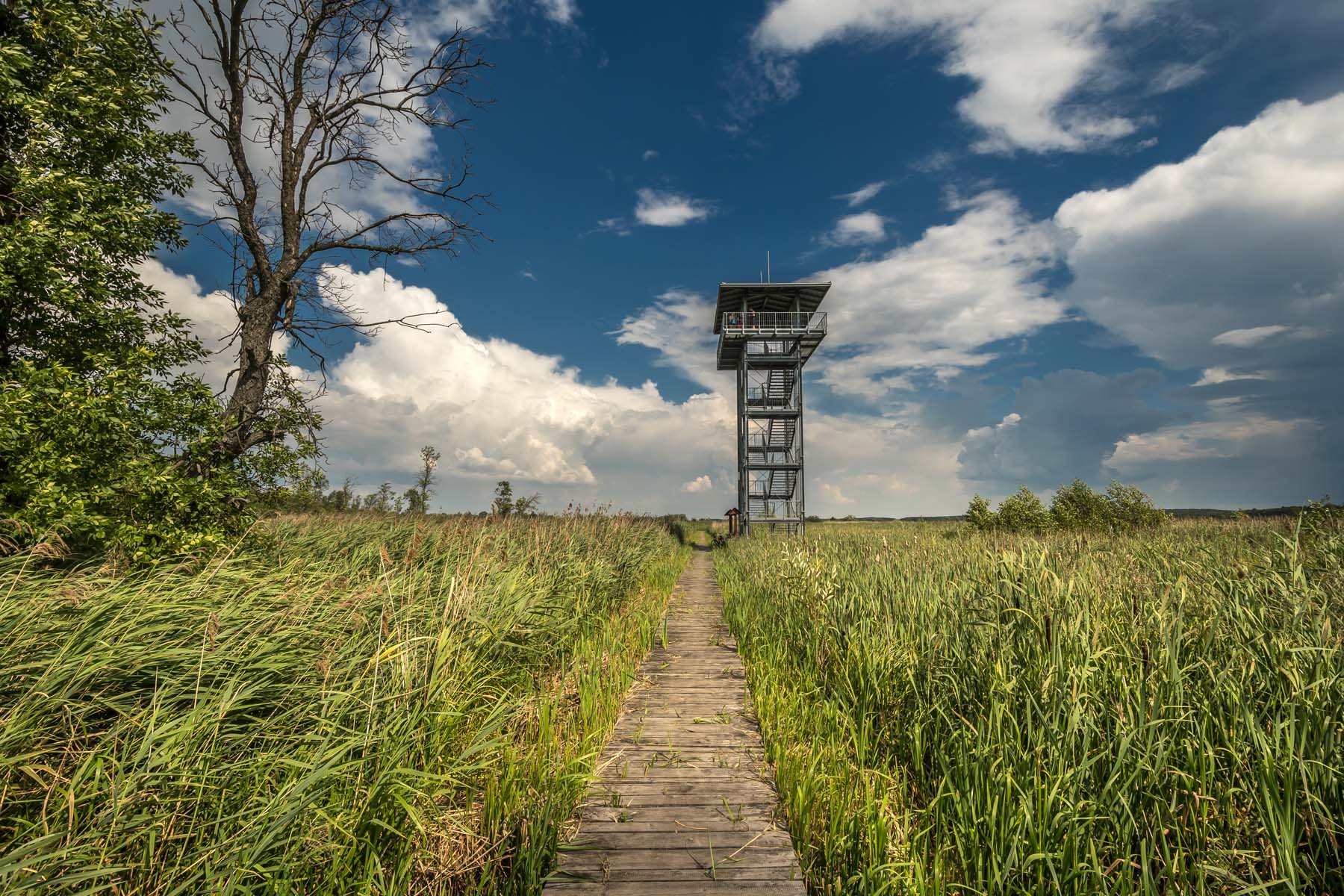
Right on the border of the Lower Silesian and Lubusz Voivodeships lies a complex of ponds formed near the Szprotawa River. A reserve encompassing approximately 30 reservoirs, as well as surrounding riparian forests and willow thickets, has been established here. Due to nature conservation, this area is closed to tourists. For those who wish to admire its beauty, a special footbridge has been prepared leading through the marshes and reed beds. At the end of the footbridge, almost on the shore of the pond complex, there is an observation tower. While crossing the marsh, you can admire the wild plants up close, and with a bit of luck, you might even spot birds. Be sure to bring your binoculars! Through Ostaszów and Krępa, the route leads to Route 12, which takes you directly to Głogów. A convenient place to park is the parking lot near the Castle of the Dukes of Głogów, which is accessed from Długa Street. When crossing the street, the city's greatest attraction is at our fingertips.
Głogów
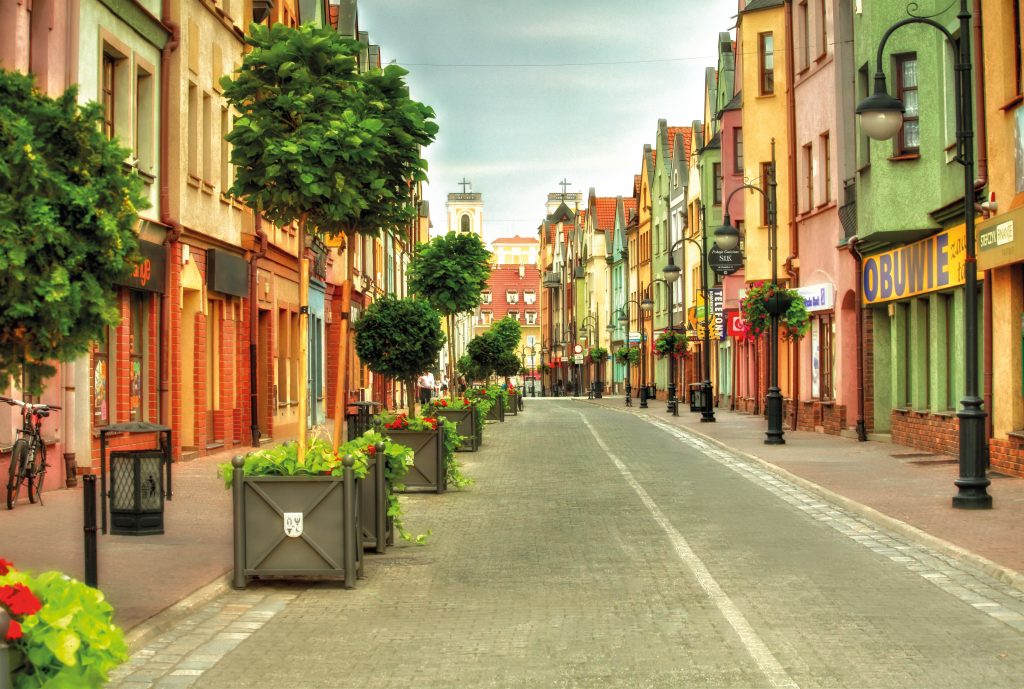
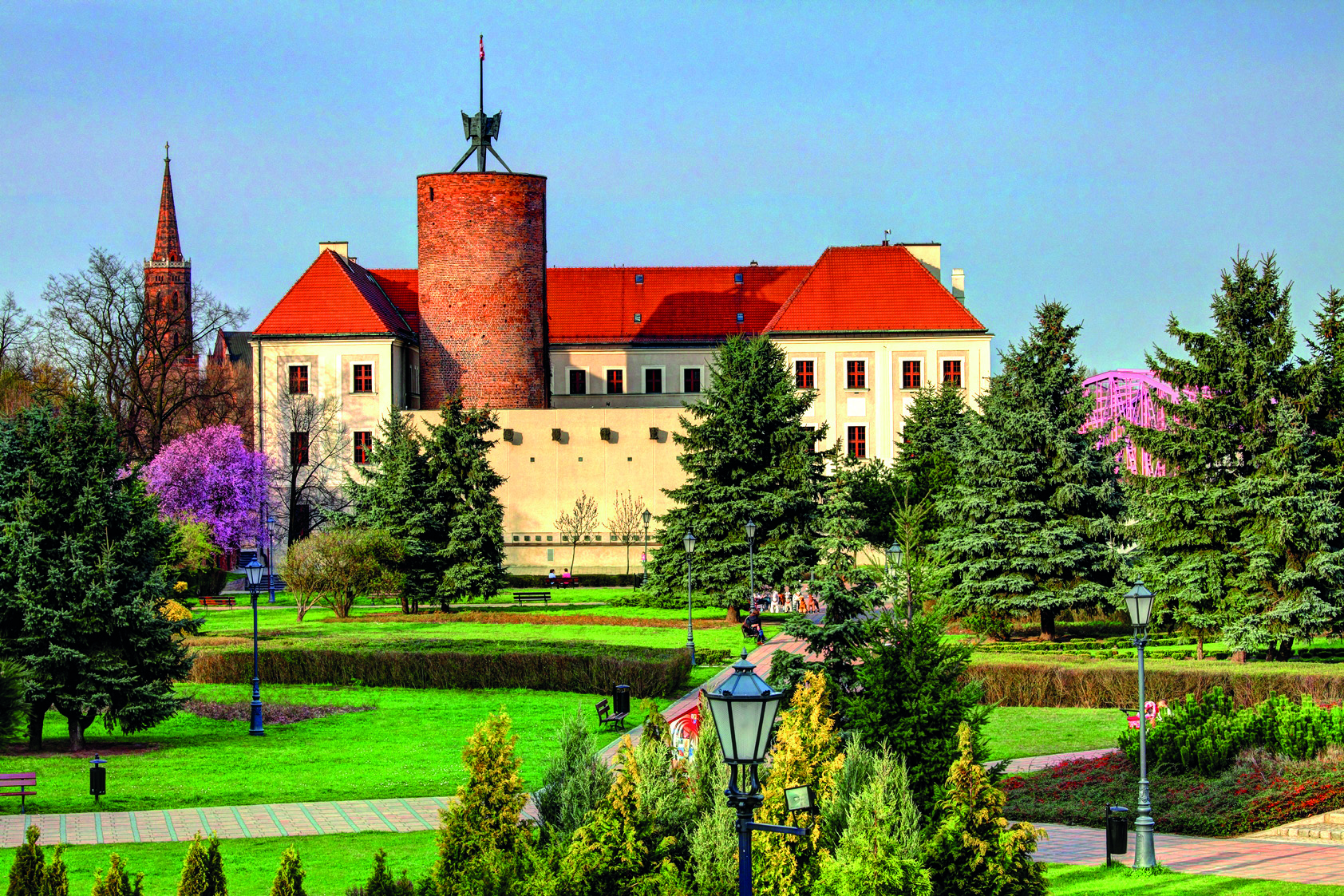
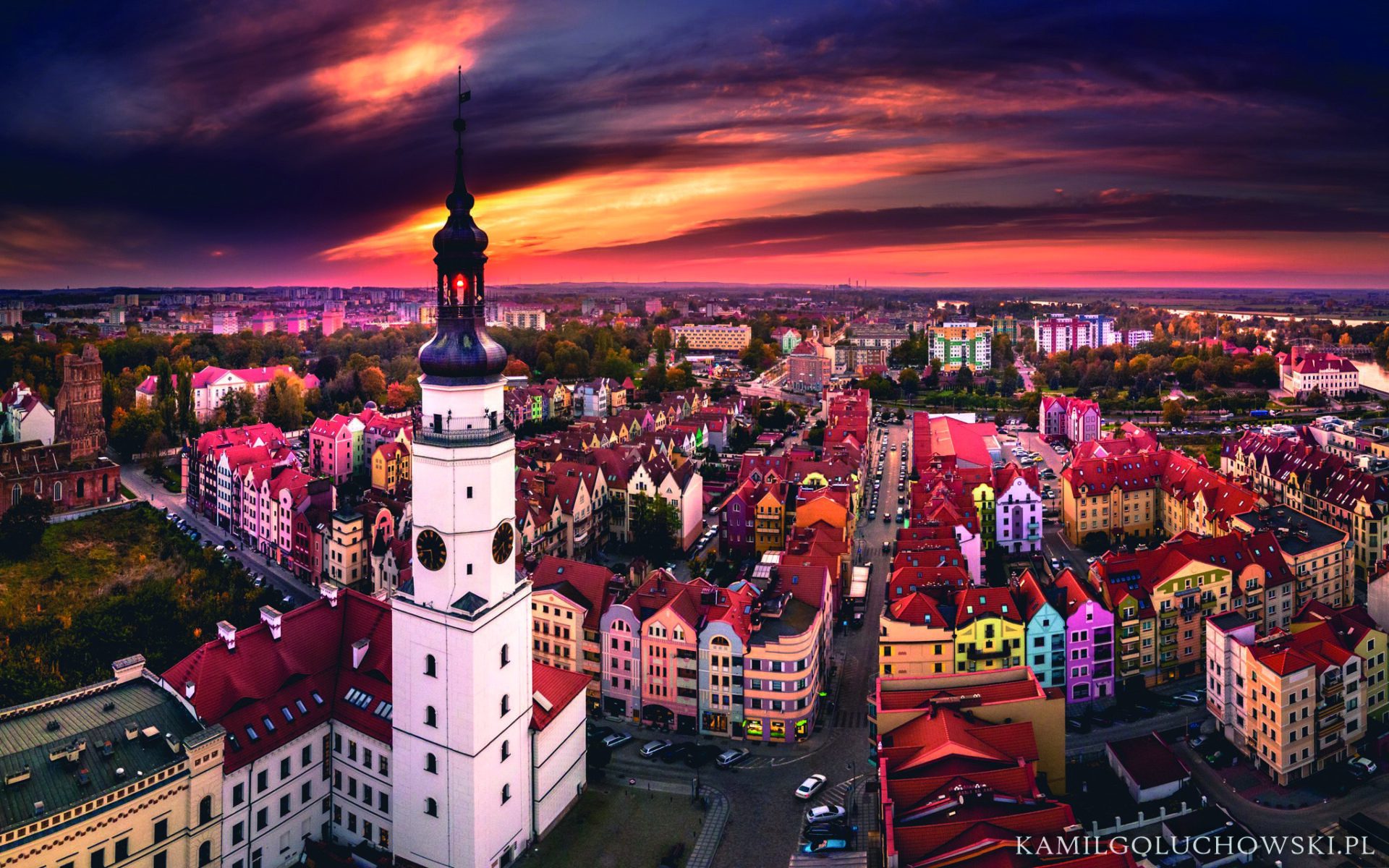
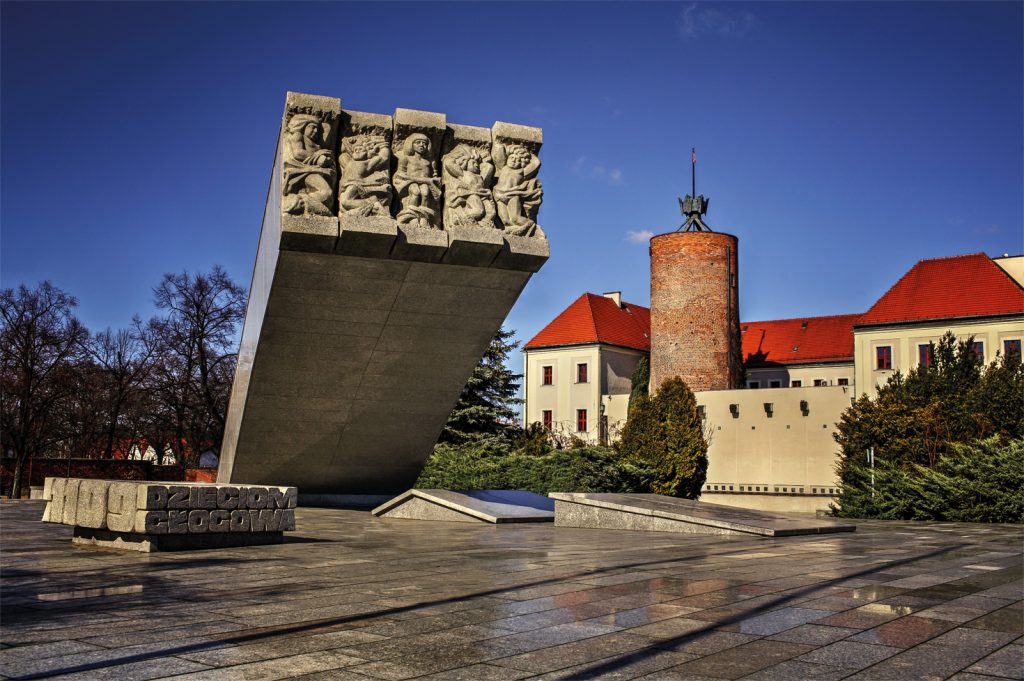
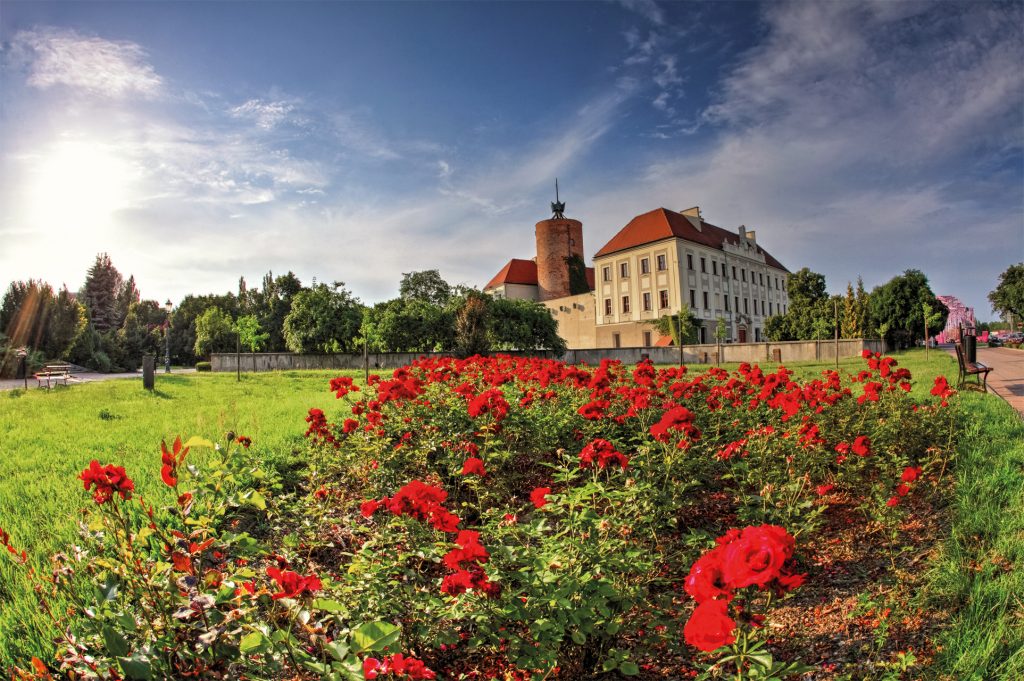
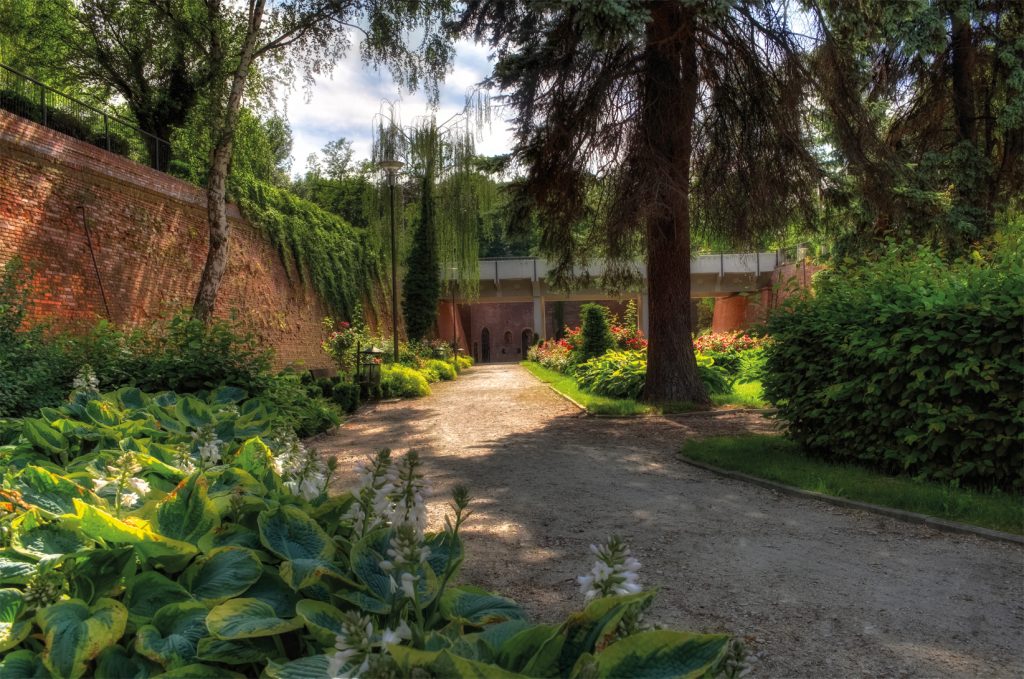
At a point where a river crossing was possible, the first castle was built in the 13th century, but it burned down along with the town in 1291. At the turn of the 13th and 14th centuries, it was rebuilt as a brick fortress with three single-story buildings. The year 1526 marked the beginning of the Habsburg rule over Silesia and the Głogów region. The castle then became the seat of the starosts. The building, which had fallen into ruin, was rebuilt into a palatial residence in the second half of the 17th century. The so-called Great Hall was constructed, and the tower was rebuilt and incorporated into the walls. The eastern wall of the courtyard was filled with arcades. In the 19th century, the building was plastered, and the enfilade layout of the interior rooms was replaced by a corridor layout. The turn of the 19th and 20th centuries saw the castle house the royal court and private apartments. During World War II, it was so damaged that consideration was given to securing it as a permanent ruin. Its reconstruction lasted until the 1980s. Currently, the castle houses the Museum of Archaeology and History. Permanent exhibitions focus primarily on the history of the city and the region. Nearby stands the Children of Głogów Monument, which commemorates the city's defense in 1109. The German King Henry V, determined to capture the city at all costs, ordered hostages, including children, to be tied to siege engines. The defending Głogów residents refused to surrender, sacrificing their loved ones. After leaving the castle, there are two tour options. The first involves crossing the Tolerance Bridge over the Oder River and visiting the Gothic Collegiate Church of the Assumption of the Blessed Virgin Mary, one of the oldest churches in Silesia. The church's origins are linked to the legendary lineage of the first Piast dynasty. Its tower dominates Ostrów Tumski, the city's oldest district. Since the 1980s, the collegiate church has been gradually restored. A nod to the past was made, and the interior features relics of a 12th-century Romanesque church, which served as the foundation for subsequent stages of expansion. The current Gothic appearance was formed in the 15th century. The interior is divided into three naves with a series of chapels. The neo-Gothic tower, standing in front of the entrance, is 75 meters high. The first mass since World War II was celebrated in the collegiate church only in 1999. The second option after leaving the castle is to take the underground passage leading to the Old Town. The Old Town was largely destroyed during World War II, and bricks salvaged from its ruins were used to rebuild Warsaw and build Krakow's Nowa Huta district. The ruins of St. Nicholas' Church, a silent witness to history among the rebuilt tenement houses, are a reminder of this tragic fate. Two sites within the Old Town are noteworthy. The first are the exposed fragments of former buildings, discovered during the renovation of the market square. The original medieval walls and building layout have been preserved, allowing for the reconstruction of the city's former appearance. Another site, both literally and figuratively, was excavated from the ground: the Barracks Block. This is part of the former Głogów fortress, a remnant of the Red Barracks built in 1777 during the reign of King Frederick II. After renovation, a small section of the extensive complex, which could accommodate up to 900 soldiers, has been opened to the public. The route through little-known corners of the Lower Silesian Voivodeship ends in Głogów. Traveling through these areas, you can sometimes feel like you're in a completely different part of the country. The villages here have their own unique atmosphere, the forests resemble primeval wilderness, and the numerous historical monuments inspire immense admiration. These are places for connoisseurs and anyone who enjoys journeys into the unknown.
PRACTICAL INFORMATION
The route is approximately 115 km long. A minimum of 8 hours is required to complete it. Only Legnica, Chojnów, and Głogów have catering facilities. There are few accessible restrooms along the route.