

Search
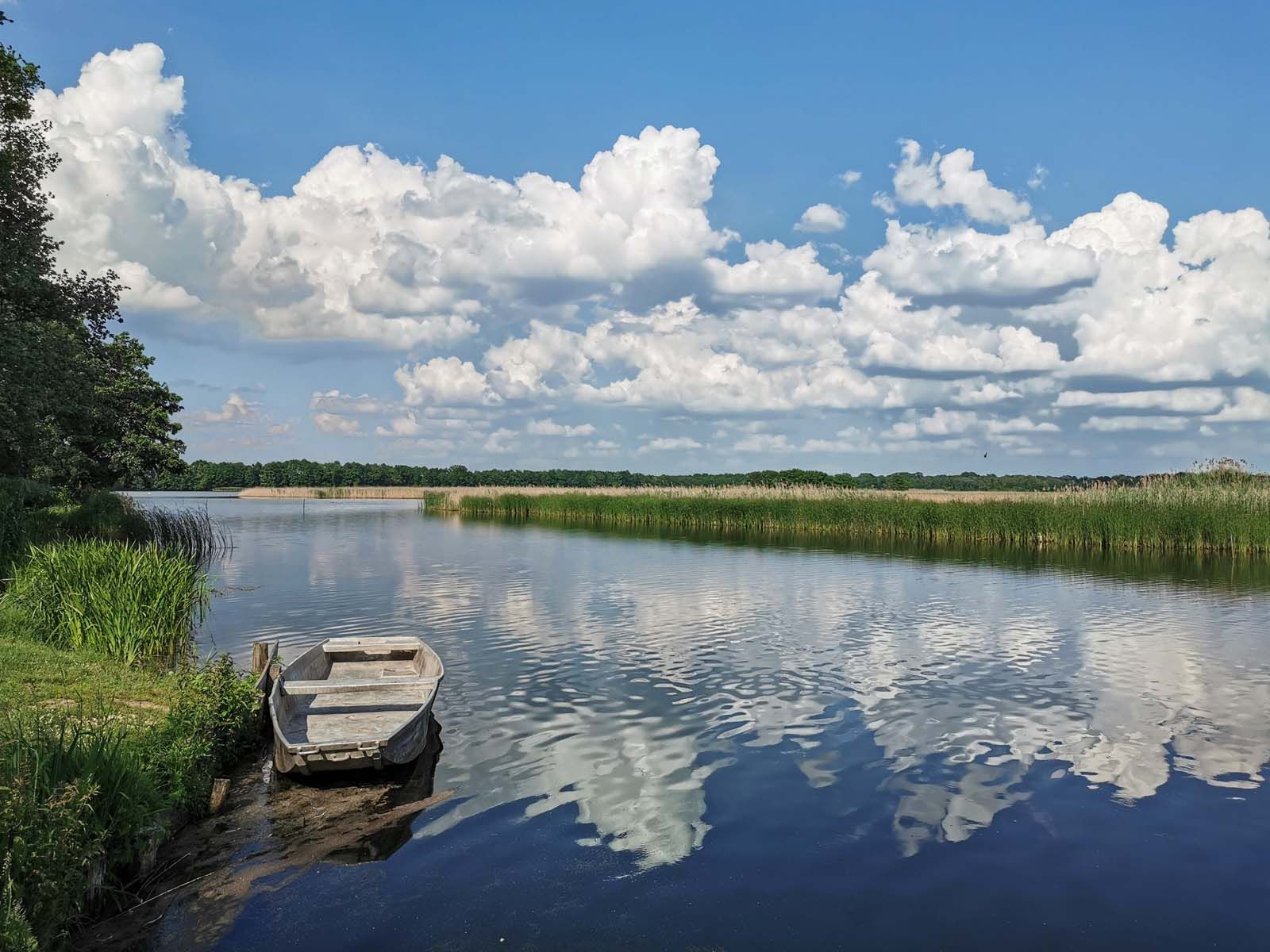
Stawy Milickie. Fot
"In the Barycz Valley" route
The Barycz River stretches for 139 km and attracted the attention of the Cistercian monks of Lubiąż as early as the 13th century. It was they who, by establishing an extensive network of ponds covering nearly 2,300 hectares in the Milicz and Młodzianów areas, initiated a harmonious relationship between humans and nature that continues to this day. This area is distinguished as one of the largest carp farms in Europe and also serves as a key waterfowl sanctuary in this part of the continent. The complex currently comprises approximately 280 ponds, some of which are periodically drained. Over 275 bird species can be observed in the Barycz Valley, including 166 nesting ones. Common sightings include cranes, herons, greylag geese, and white-tailed eagles. To protect this valuable ecosystem, a nature reserve was established, and selected dikes separating the ponds have been closed to tourism.
The route is approximately 50 km long and takes 8 hours to complete, assuming a minimum time to visit all the attractions. The Naturum Hotel in Ruda Sułowska offers a room adapted for people with mobility impairments.
Żmigród
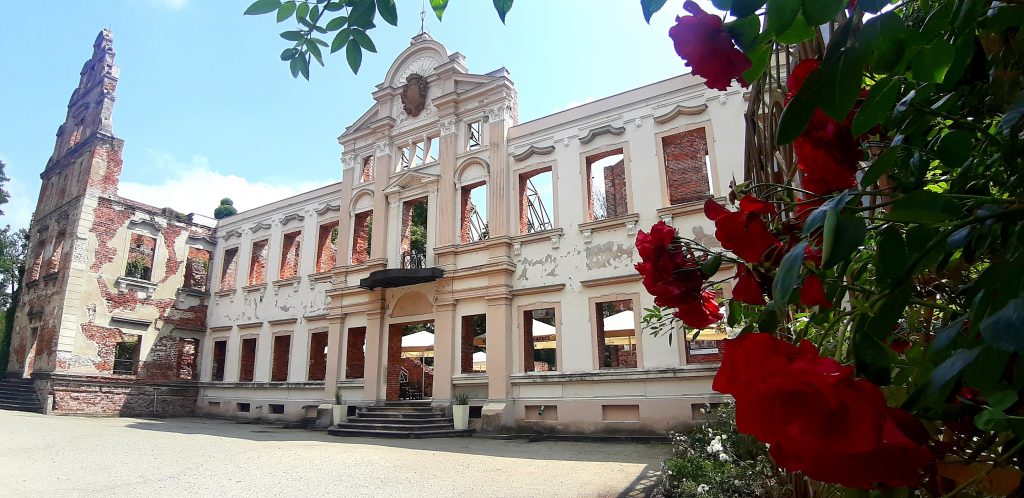
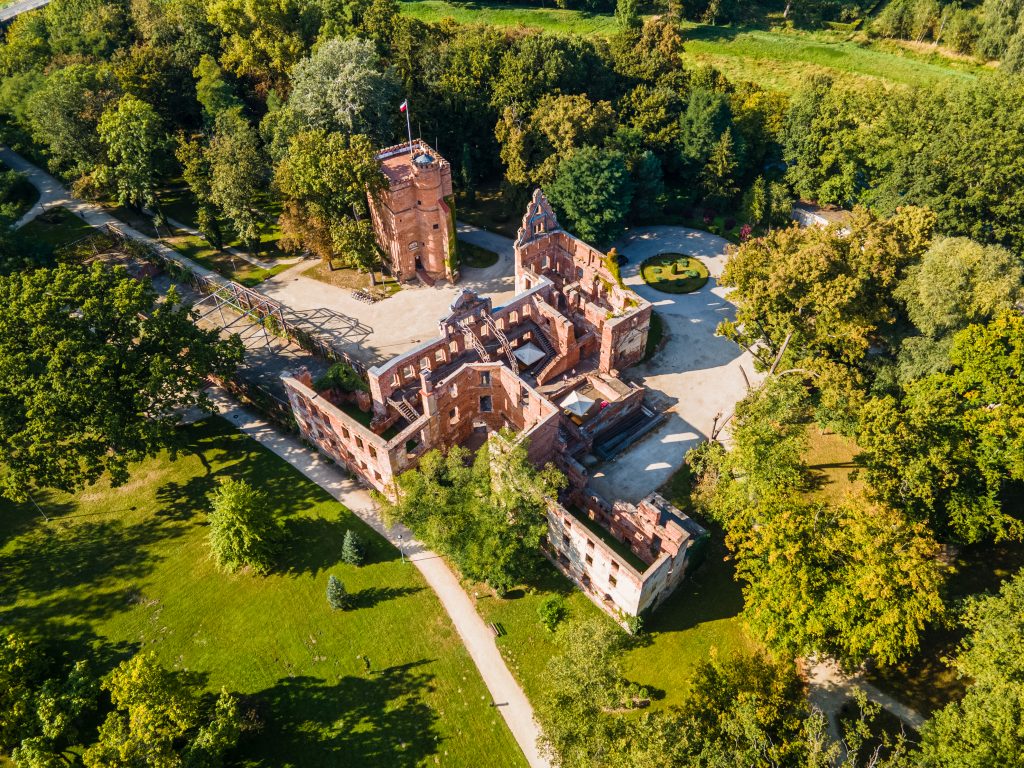
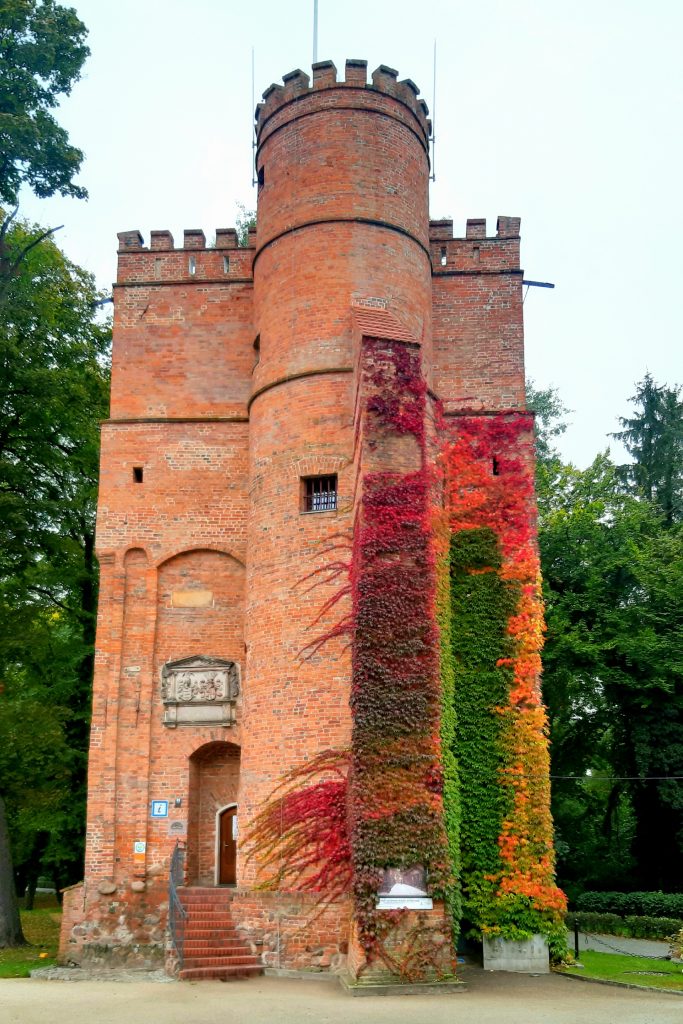
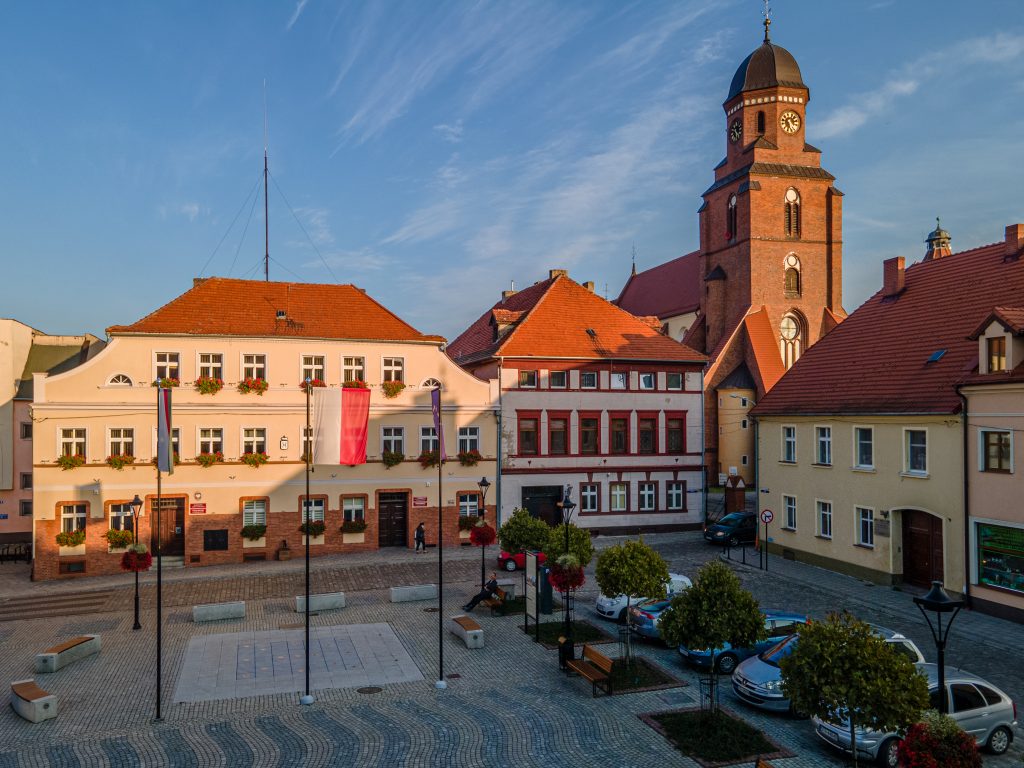
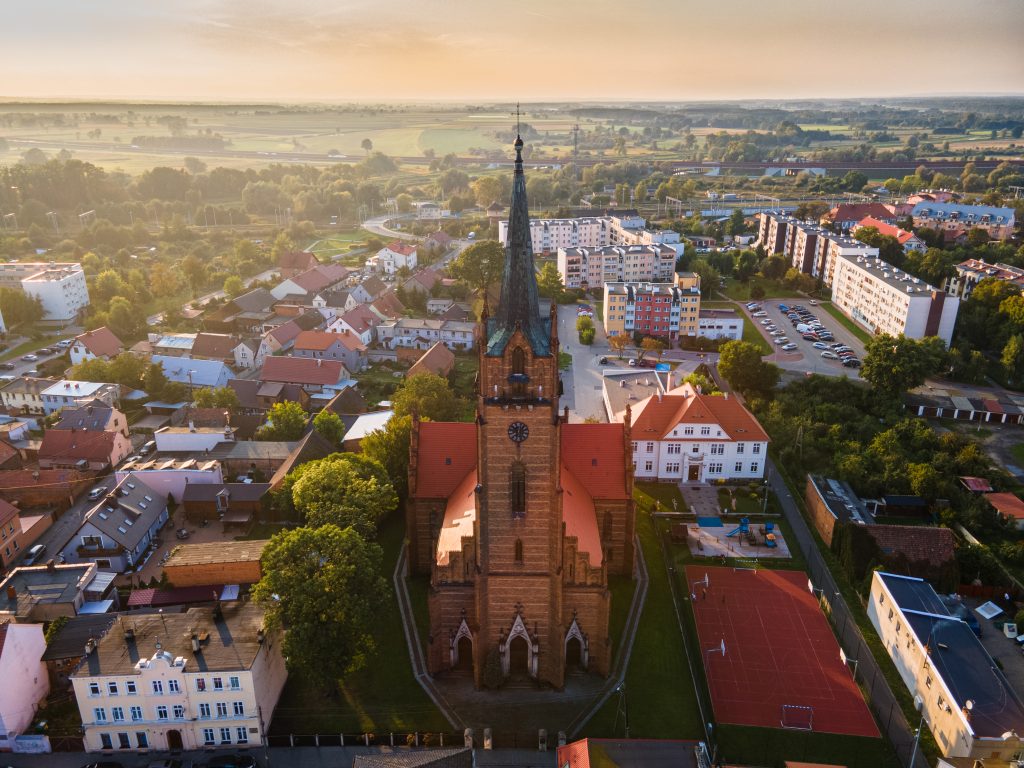
Turning off Route 439 into the parking lot at the Palace and Park Complex in Żmigród, you're transported to another world as if by magic. The busy streets disappear, and a park reminiscent of childhood fairy tales emerges. In its northern part lie the ruins of a 13th-century palace. Over the centuries, it has changed owners, functions, and appearance. At the beginning of the 18th century, Baroque style reigned supreme, and in subsequent years, the residence was expanded with a southern wing in the Classicist style. Its last pre-war owners were the Hatzfeldt family. After the war, the palace was destroyed in a fire and fell into ruin. Renovations saved the historic building from complete destruction. The oldest surviving part, the former residential tower from the mid-16th century, has also been renovated. Inside, it houses a tourist information point, a conference room, an exhibition hall, a hotel suite, and a viewing terrace at the top. The park features a revitalized pond with a playground on an island. From Żmigród, the route leads along road no. 439 towards Ruda Żmigrodzka, then turns to Hucisko, where a path through marshes leads to a unique nature reserve.
The park paths are paved and easily passable. The palace ruins are accessible to people with mobility disabilities to a limited extent (access from the rear).
Olszyny Niezgodzkie Nature Reserve
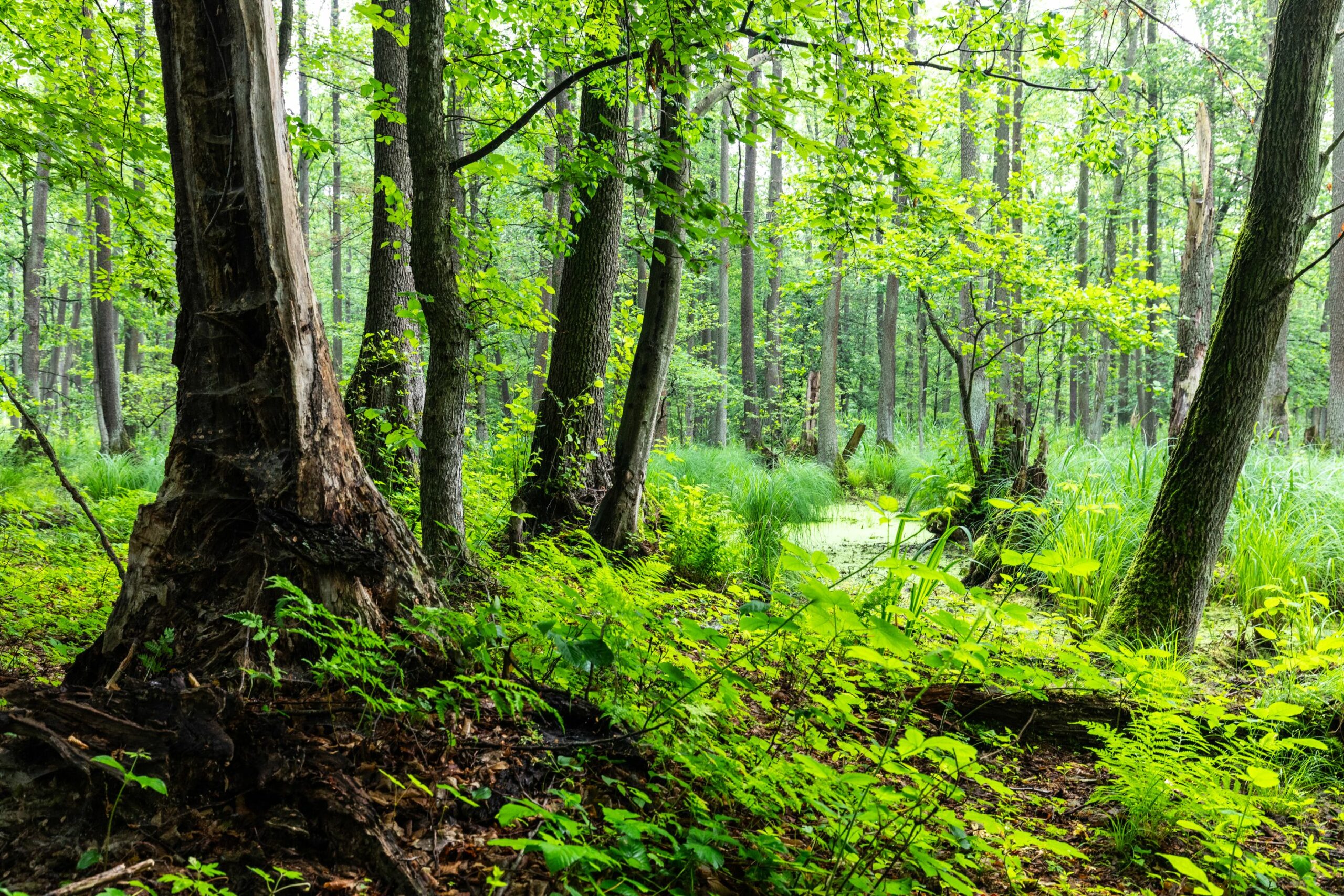
This picturesque forest reserve is a true natural gem in the Barycz Valley. The beautiful alder groves and their trees standing in the water can be admired even from the car window. In early spring, when the water level is high, this place looks exceptional. And if you visit at sunrise on a foggy day, you'll feel like you're in a land of imagination. The trees seem to emerge from the water, and the tussocks of grass protruding from the marsh add to the overall charm. In this nature conservation reserve, it's generally forbidden to travel off the marked paths. In the case of Niezgodzkie Olszyny, you can even limit yourself to what you can see from the road during a leisurely drive. Natural wonders lie on both sides of the narrow asphalt road, so simply ease off the gas and admire.
The route from Niezgody returns to Route 439. Passing the first pond on the left, turn right and drive through incredibly picturesque surroundings to Ruda Sułowska. At the intersection with the main road, turn right and after a while you will reach the Naturum Educational and Tourist Center.
The reserve is generally not open to tourists. This attraction should be treated as an access route, and its natural beauty is best admired from the windows of a car.
Ruda Sułowska
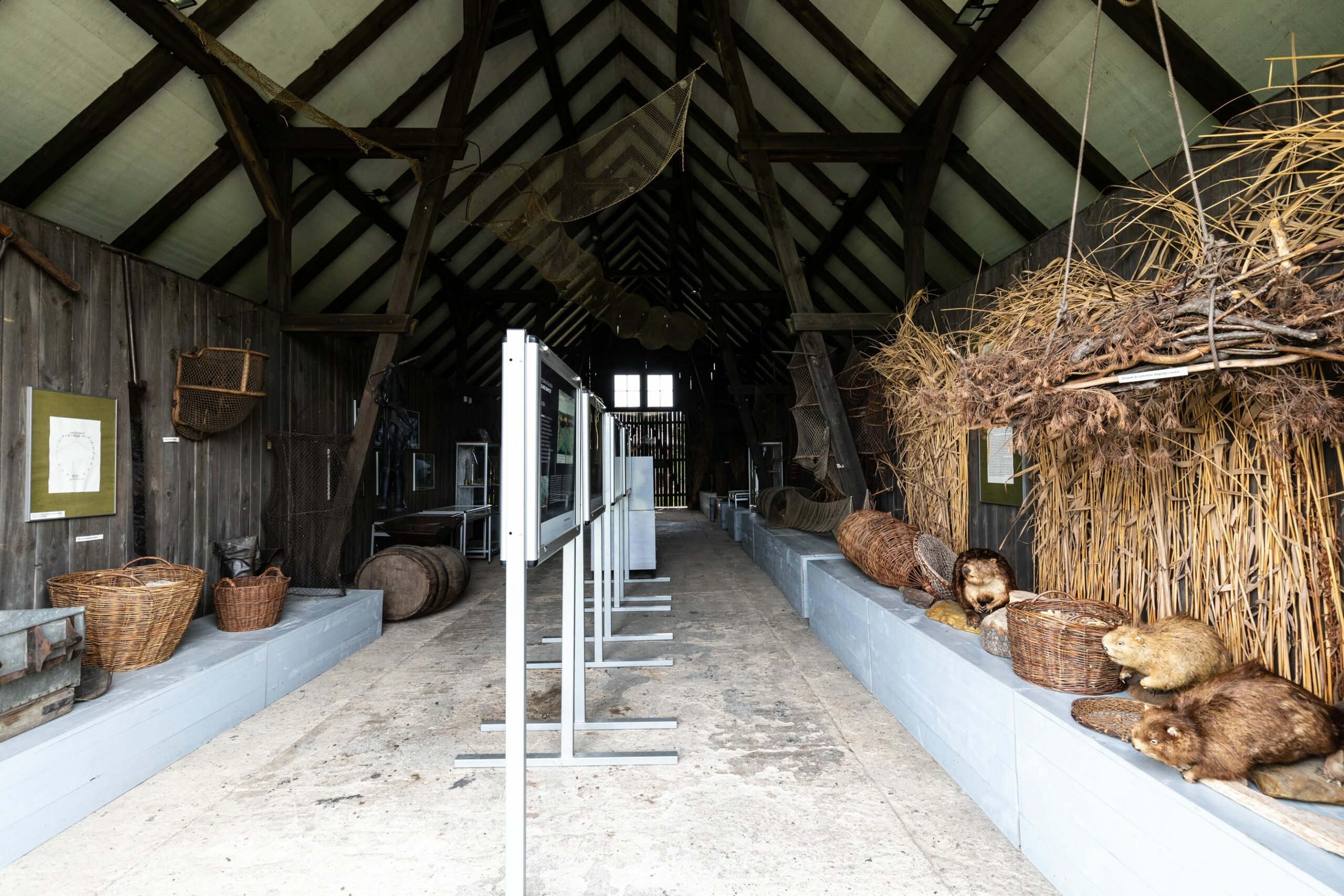
On one side of the road is the Naturum Hotel, and on the other, the 8 Ryb Inn. This is also the starting point for an educational trail that briefly presents the most important natural aspects of the Milickie Ponds. The small Museum of Fishing Tradition is worth a visit, featuring a reconstructed fisherman's house and a display of equipment used in fish farming. The area in Ruda Sułowska has been interestingly designed, and all buildings in the hotel and restaurant complex are accessible to people with mobility impairments. Part of the educational trail overlaps with the route between the ponds. Stops 1 to 5 are located right next to the road, then the trail turns right and, circling the ponds, returns to Ruda Sułowska. Unfortunately, the forest road along which the trail runs is not suitable for wheelchairs and can become a muddy trap after rain. It's worth bringing binoculars when visiting this area, as birds can be seen from the causeway between the ponds. Access from the ponds is via a dirt road that branches off the asphalt. From Ruda Sułowska, the route follows a side road to Sułów, and here, on Parkowa Street, just after entering the village, we make a short stop.
All buildings within the hotel and restaurant complex are fully adapted for people with mobility disabilities.
Sułów
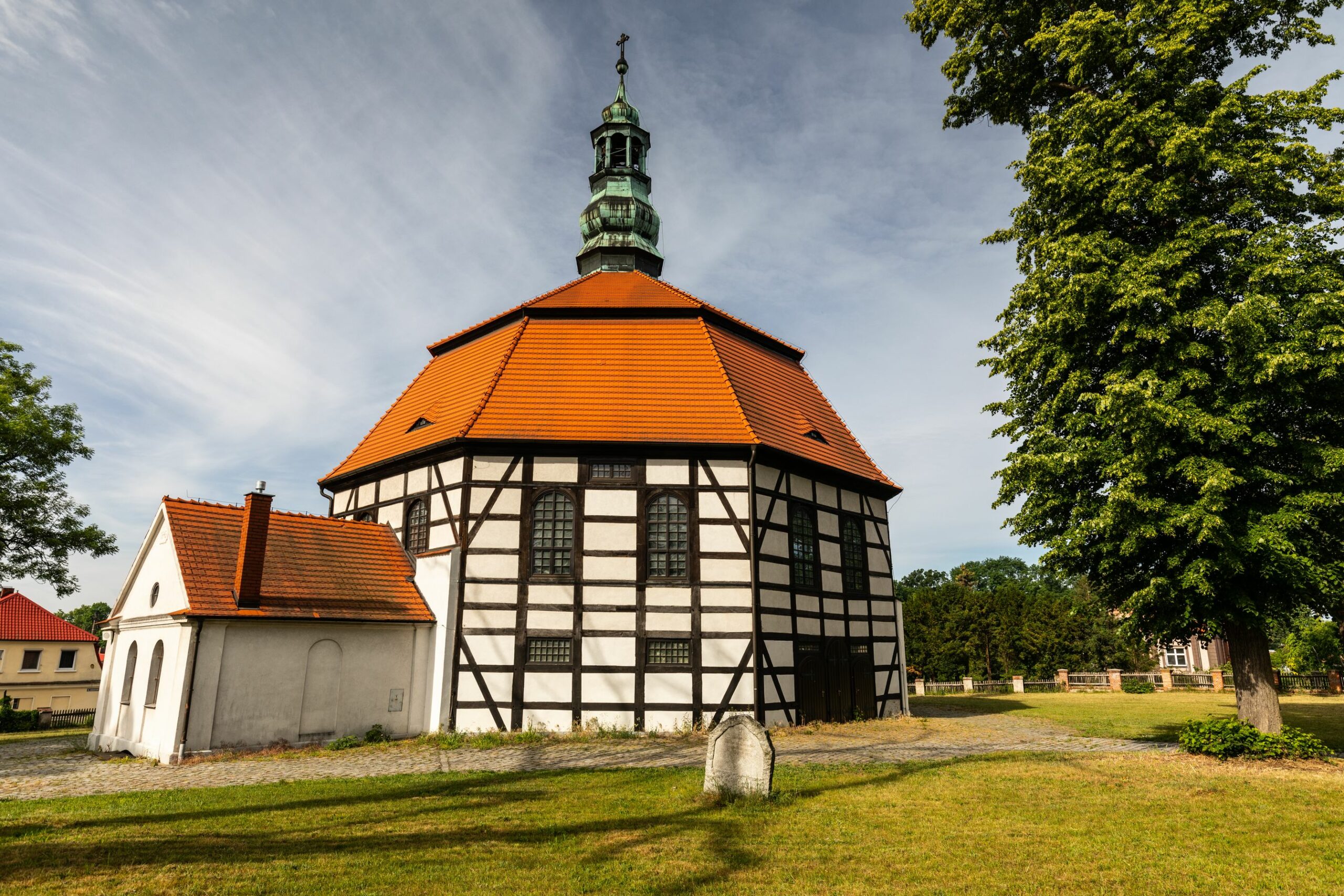
The half-timbered structure of the Church of Our Lady of Częstochowa in Sułów, while not in itself a surprise in these parts, is its octagonal shape is rare. The church was built in the mid-18th century thanks to a foundation from the von Burghaus family. Initially owned by Protestants, it is now a branch church of the Roman Catholic parish. The von Burghaus family also owned a Baroque palace in Sułów (with Rococo elements), located a little lower down on Dąbrowskiego Street. The second church, the Church of St. Peter and St. Paul the Apostles, also half-timbered, is located at 6 Kościelna Street.
We return to road no. 439, which leads to Milicz.
The area around the church is barrier-free and wheelchair-accessible. Unfortunately, the area surrounding the market square in Sułów is not accessible to people with mobility impairments.
Milicz
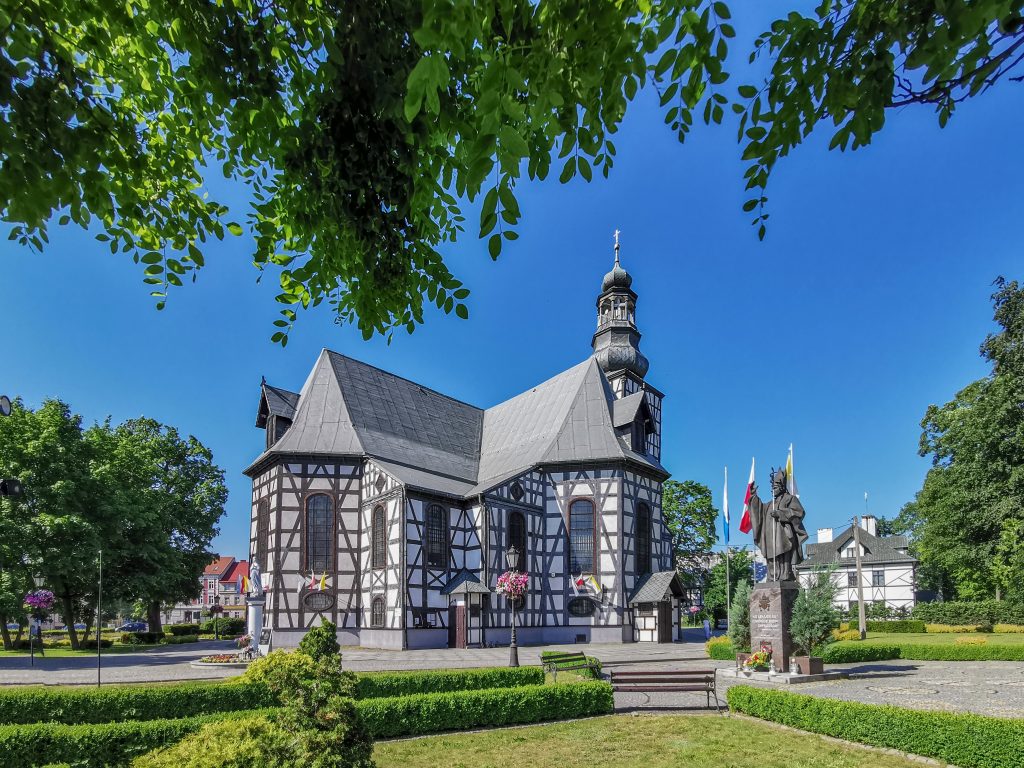
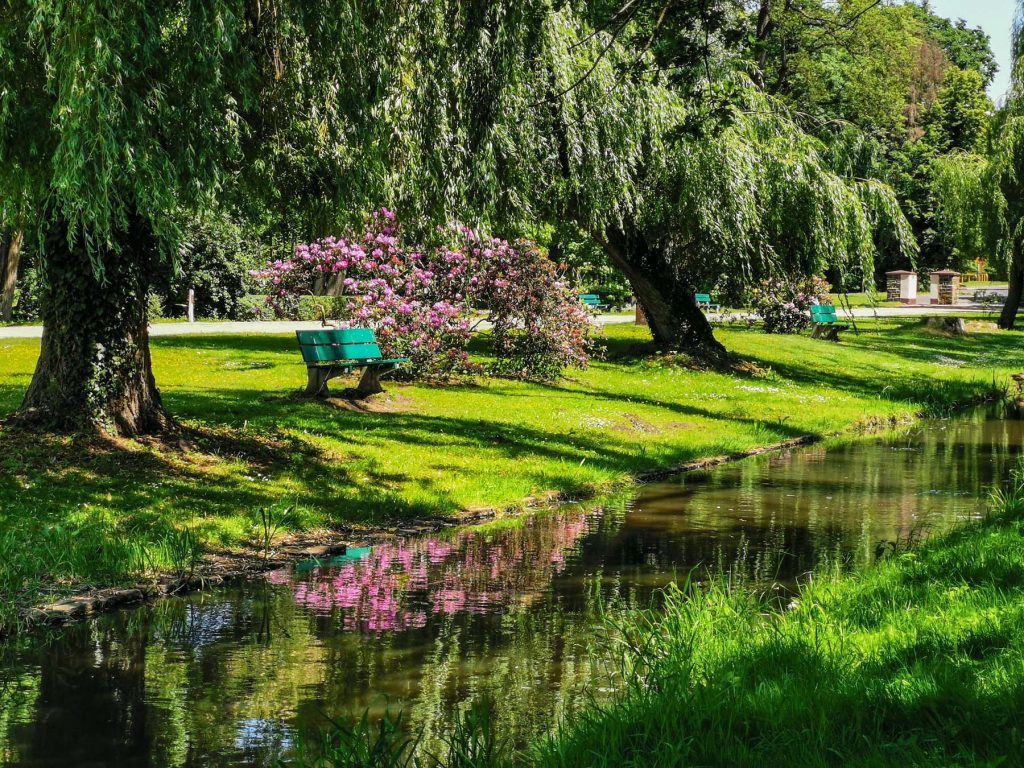
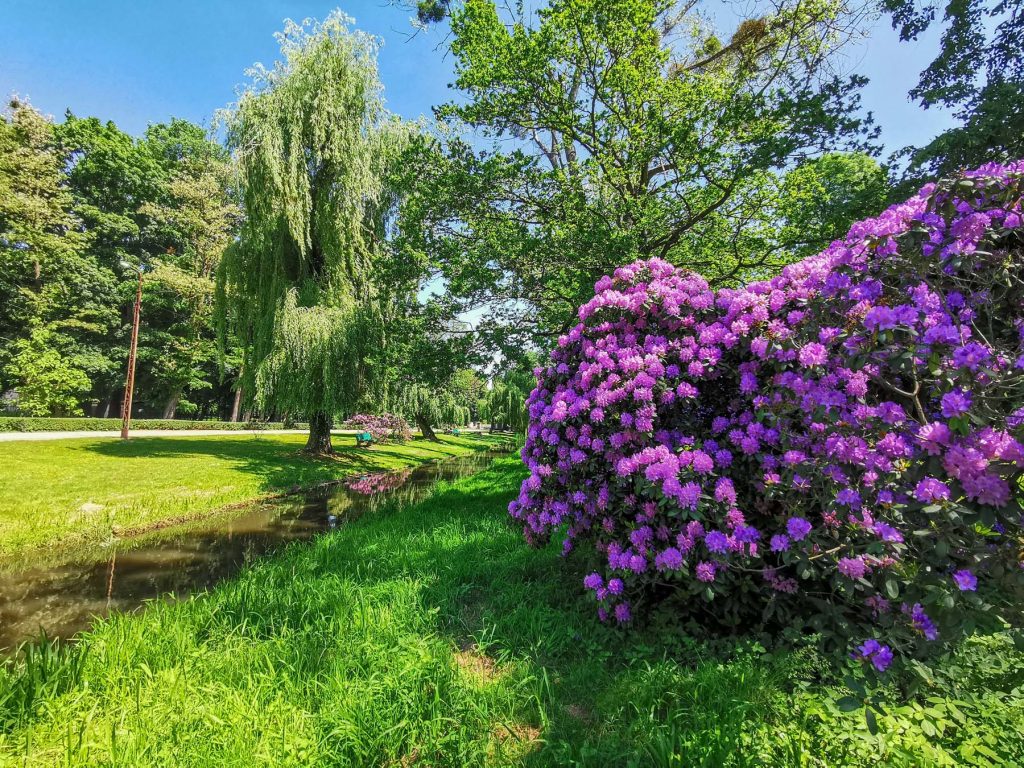
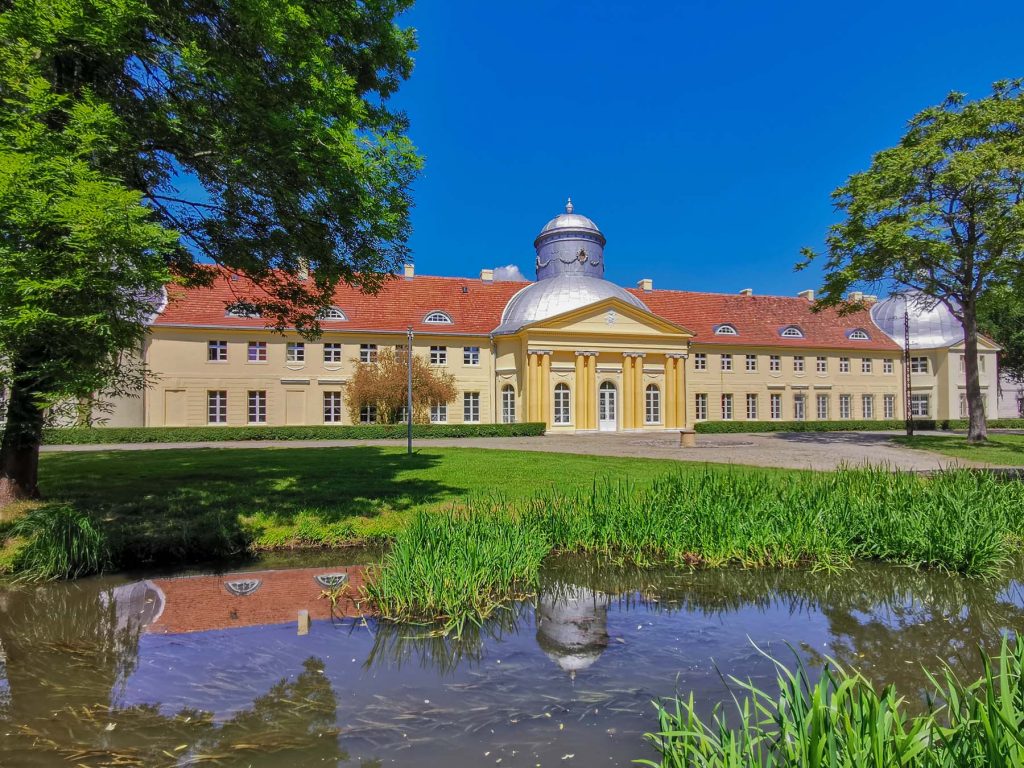
In this charming town, located in the heart of the Barycz Valley, three of its many attractions deserve special attention. Although seemingly unrelated, the inquisitive visitor will find a thread that connects them. All of them speak to the city's unique past. The first place worth visiting is the park located a little further from the center. The Barycz River borders this haven of greenery, where two historic buildings hide in the shade of ancient trees. The first is a Classicist palace built in 1798, designed by Karol Geissler. The estate belonged to the Maltzan family. The palace was expanded in the early 20th century, adding a southern wing, which housed a so-called inn. After World War II, the estate was taken over by the state treasury. Currently, it houses a school. The building's design is reminiscent of the Neues Palais (New Palace) in the western part of Sanssouci Park in Potsdam. Only the ballroom remains of its original furnishings. Near the palace, on a small hill, stand the ruins of a castle whose history, according to recent research, dates back to the late 13th century. In its heyday, it was one of the largest buildings in Lower Silesia. It was founded by Bishop Thomas I and likely initially served as a bishop's seat. In 1282, the Treaty of Milicz was signed in the castle between the Teutonic Knights and Duke Mściwój II. In the 16th century, the Maltzan family acquired two Lower Silesian estates: Syców and Milicz, marking a new chapter in the history of these lands. The castle ruins and the palace building can only be seen from the outside during a walk through the park. Crossing Road No. 15, the route leads to the Church of St. Andrew Bobola. The exterior is an impressive half-timbered structure, while inside, a beautiful hall flanked by three stories of galleries on either side of the church. The church in Milicz is one of six churches of grace built by the Protestants after the Treaty of Altranstád in 1707. A 33-voice organ from the late 19th century resonates within its interior. The tower towering over the church is 49 meters high. Until the end of World War II, it was in Protestant hands; currently, it is under Catholic rule. Although Milicz is not a large town, the third attraction is also most conveniently reached by car. At 3 Dąbrowskiego Street, you'll find a building that housed a bauble factory for years. It was established in the mid-20th century as the largest manufacturer of glass Christmas tree ornaments in Poland and operated until 2008, when it was declared bankrupt. Each year, the factory produced approximately one million baubles, which were distributed worldwide. In 2013, the KOM, or Creative Multifunctional Facility, was built on the site of the former factory. It houses the Bauble Museum and a café. The remaining buildings were adapted to serve as a school and art studios. When the factory declared bankruptcy, a unique collection of Christmas baubles was put up for sale along with the buildings. This collection became the heart of the museum exhibition, which tells the story of the bauble and the Milicz factory. Although the museum itself doesn't seem large, it houses over 6,000 Christmas decorations. They come in a variety of shapes – from classic balls, through vehicles and animals, to cell phones. From Milicz, the route leads to the village of Stawno, located on the shores of Słoneczny Górny Staw. Unfortunately, there is no parking there. The only place to stop is a grassy layby at the intersection with the road leading to Dymin.
The park paths are paved, but there are some uneven surfaces. The palace interior and the castle ruins are not open to the public. Entry to the Church of St. Andrew Bobola is only permitted during services. The Bombka Museum is fully accessible to people with mobility impairments.
The causeway on the Słoneczny Górny Pond (Grobla na Słonecznym Górnym Stawie)
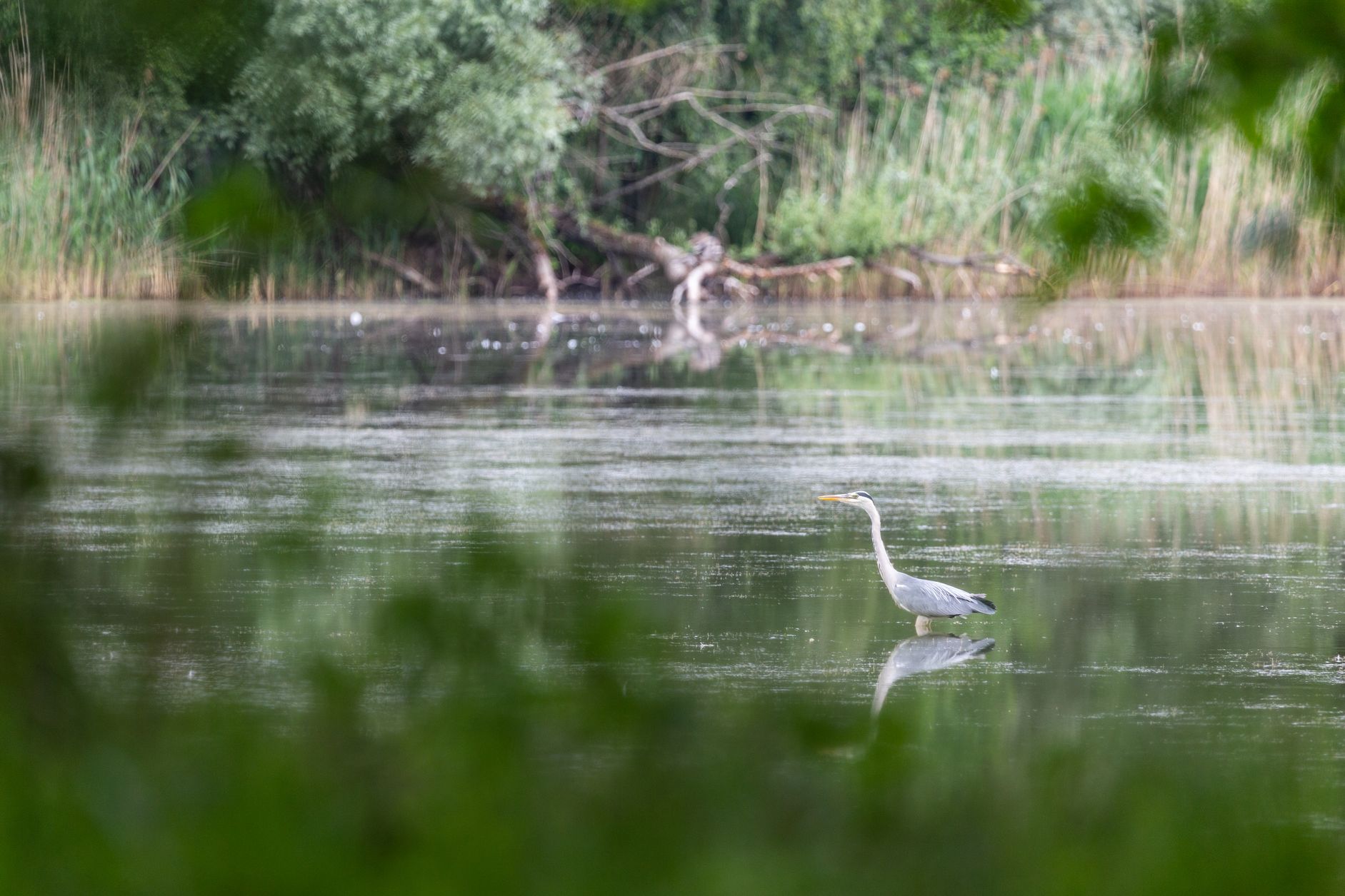
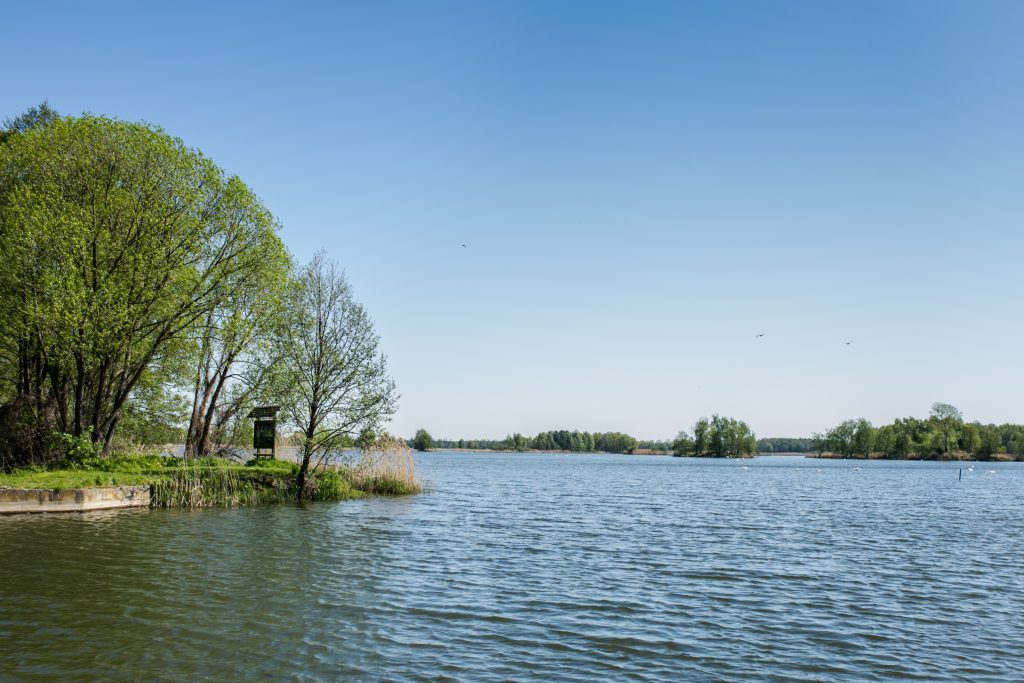
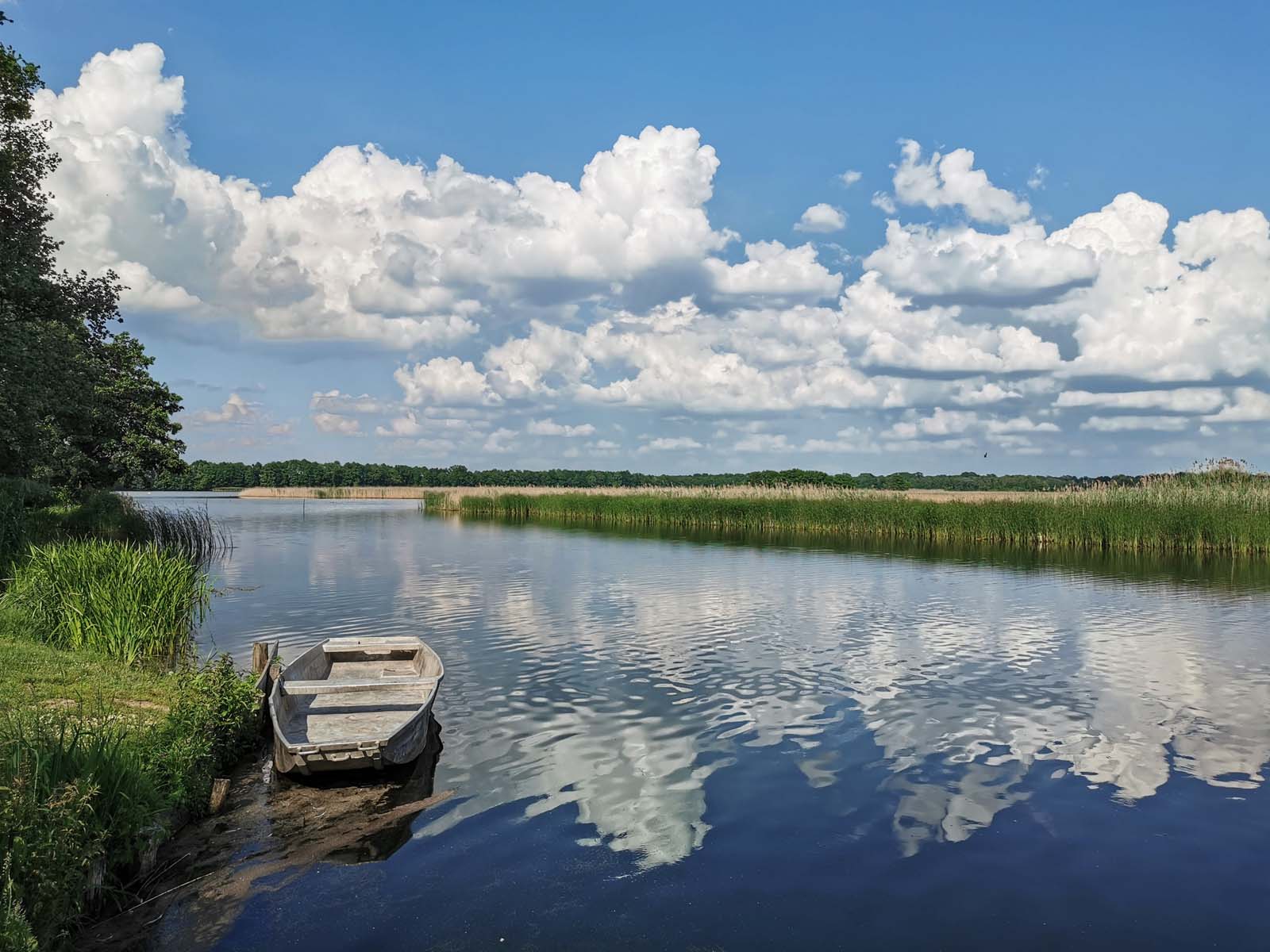
Walking between the ponds along the nearly 1.5-kilometer-long causeway, you can see the beauty of this corner of the Barycz Valley in all its glory. On both sides stretch the fishponds for which the area is famous. Słoneczny Górny Staw (Sunny Upper Pond) covers almost 160 hectares and is a crucial link in the protection of waterfowl breeding grounds. Picturesque reed islands have been created on it. The tree-covered causeway effectively masks tourists, who can successfully observe wild birdlife through binoculars or a telephoto lens. In case of bad weather, you can optionally turn right in Stawnie onto the potholed road leading towards the settlement of Dyminy and then to the village of Nowe Grodzisko. Along the way, without even leaving your car, you can admire the water surface, reed beds, and the birds that inhabit it.
The final stop on the route is the village of Wałkowa. Due to the fact that this attraction is only available to organized groups and only on weekdays from Monday to Friday, it can be treated as optional.
The causeway is paved with cobblestones and has no architectural barriers that would impede passage.
Tree House in Wałkowa
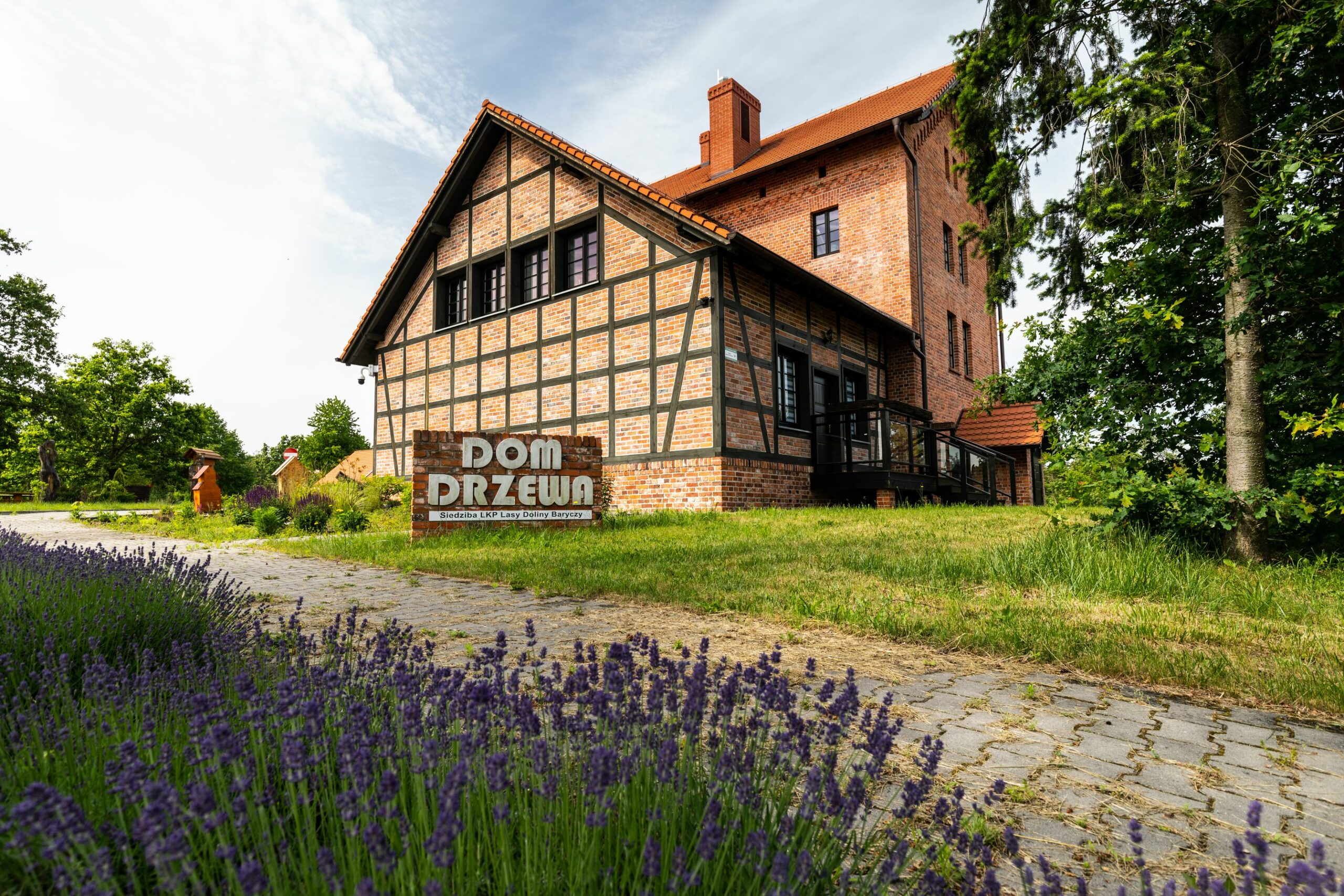
By making an appointment, you can discover the secrets of the forest under the supervision of foresters. In three rooms of the beautifully restored former pine cone extractor, you can see educational exhibitions: "Forest Kindergarten," "Nature Laboratory," and "Drying Room." These exhibitions bring the secrets of the forest closer to all ages. This makes it especially easy for children to absorb knowledge. A brilliant attraction is the nature trail, where you can experience the beauty of the forest firsthand. The trail ends in Wałkowa. The Barycz Valley still holds many beautiful corners waiting to be discovered. This trip can become the foundation for future trips, as the number of charming places here is like a bottomless pit.
The facility is fully accessible to people with mobility impairments. The nature trail follows a wide forest path, mostly paved and very well-maintained.