

Search
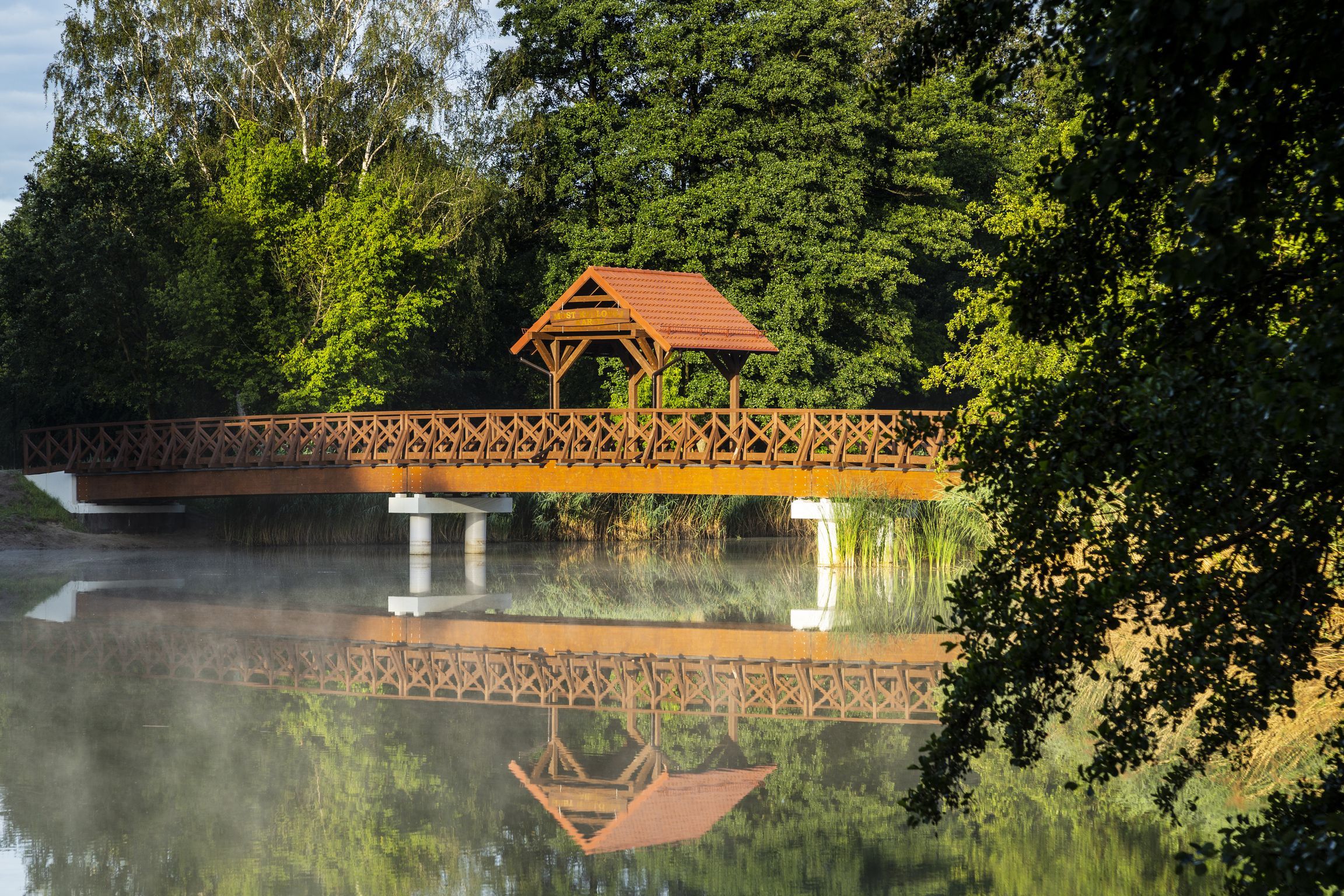
Park Szczodre
"Green Ring" route - Wrocław parks and greenery
Wrocław, the capital of Lower Silesia, boasts an impressive 44 parks within the city limits. Some are small green enclaves, others occupy vast areas, up to 100 hectares in size. Most have a long history, such as Szczytnicki Park, although there are also more recent developments, such as the upcoming Krzycki Park, stretching between Reymonta and Kraszewskiego Streets. These urban oases of greenery have played an important role for centuries – in times of limited access, they enabled contact with nature, offering shade, peace, and the solace of the rustling trees. Their functions have remained unchanged, and modern Wrocław residents enjoy strolling along the park paths as much as they did a century ago.
The city is surrounded by a green ring of parks, each with its own unique character and distinct atmosphere. The tour begins in Szczodre Park, which delights with its combination of natural landscape and modern amenities. Although it formally lies outside Wrocław, it is an excellent place to relax for residents of the northern districts seeking a break from the hustle and bustle of the city.
In this case, detailed descriptions of how to get between individual points have been omitted. Visiting Wrocław's parks is a great option for those who want to spend more time discovering their unique features. The selected locations showcase the diversity of green spaces and are scattered throughout the city, ensuring that everyone, regardless of where they live, can find a park in their neighborhood. For visitors to Wrocław, it can also be an interesting way to relax before exploring the city center. All parks included in the itinerary are wheelchair-accessible, so practical information has been omitted.
Park in Szczodre
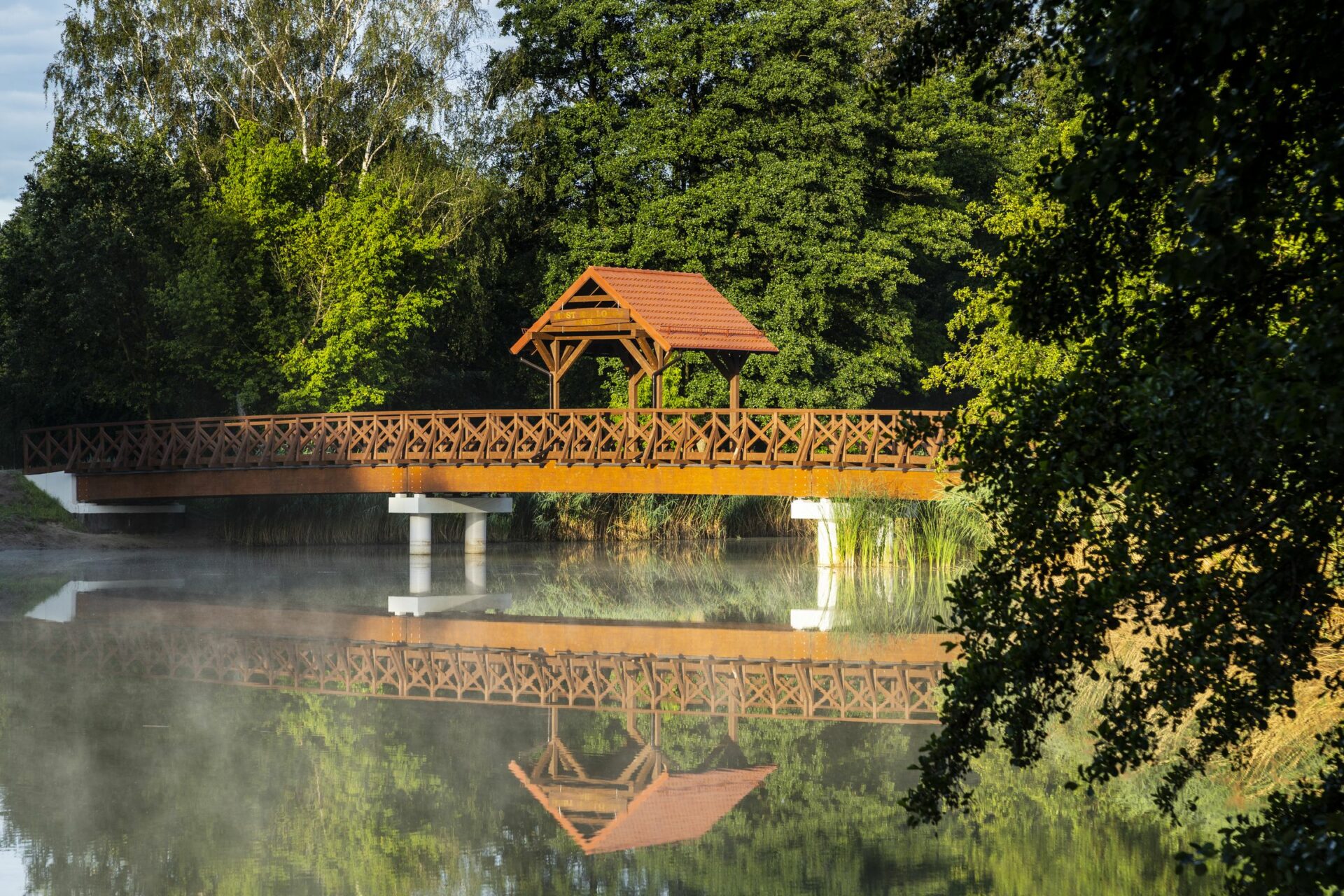
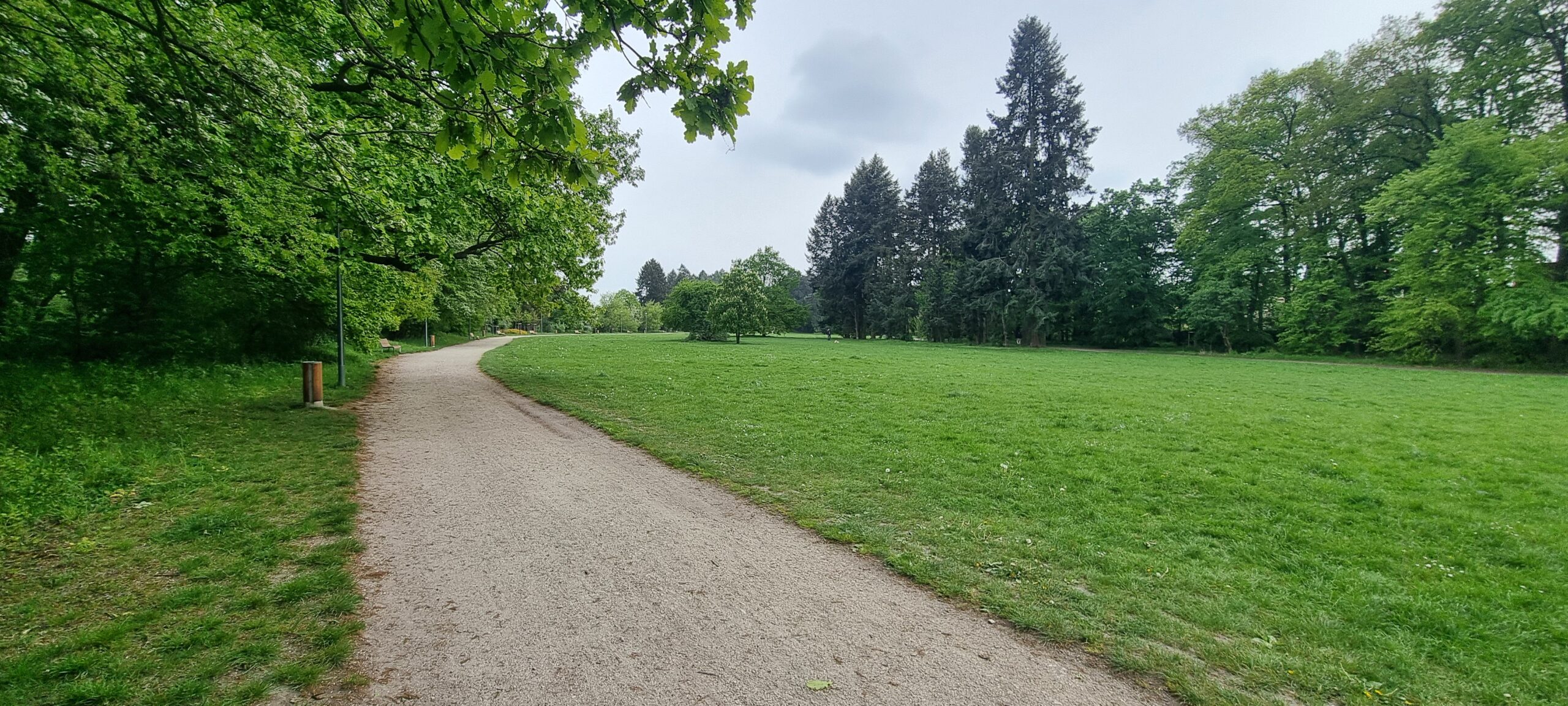
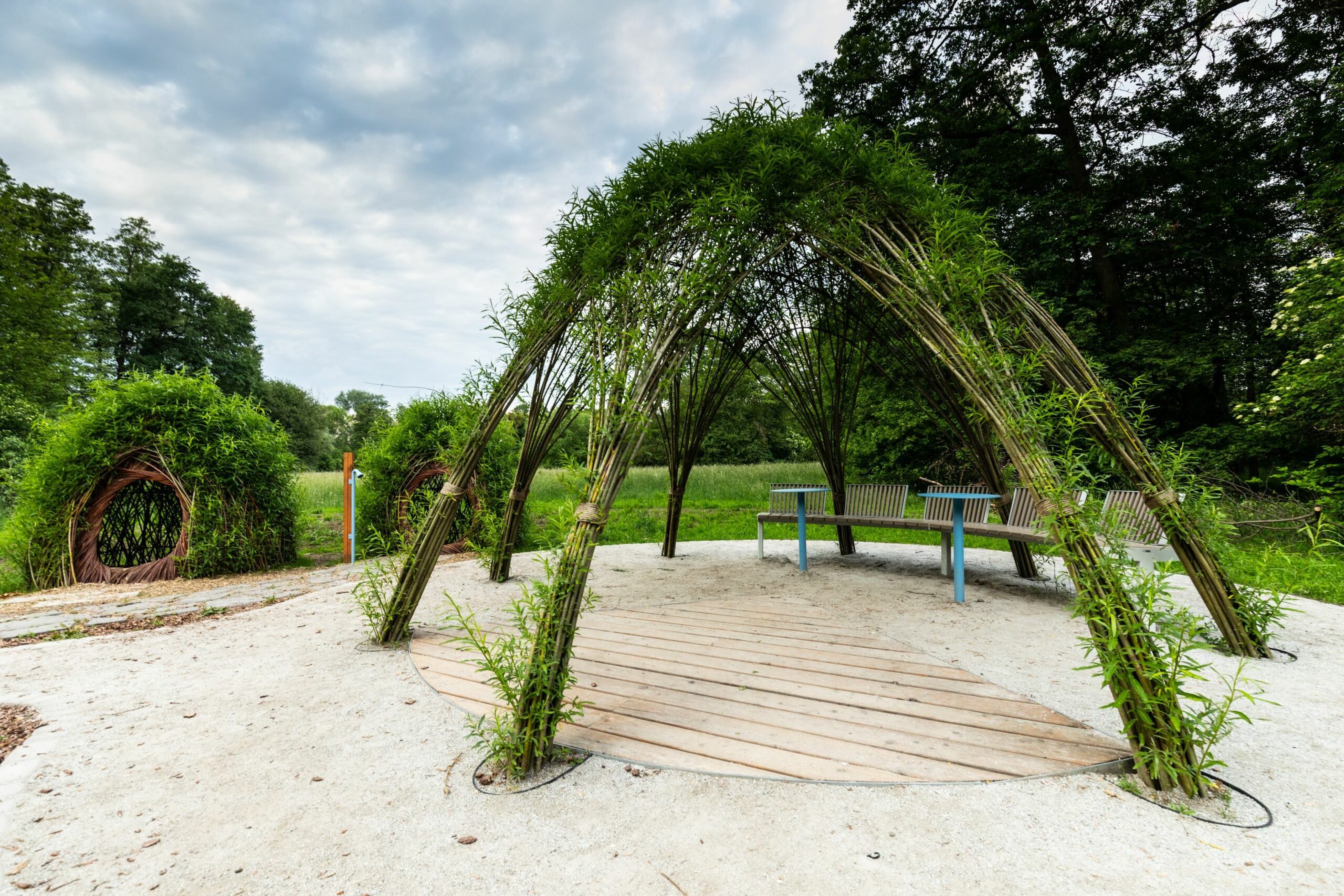
The history of the park in Szczodre is closely linked to the palace built by Krystian Ulryk, Duke of Oleśnica. The residence, which he built for his wife, Sybilla Maria, was frequently renovated and embellished, eventually earning it the nickname of the Silesian Windsor. The palace attracted throngs of tourists, and the park teemed with life. The Renaissance garden gave way to an English-style park with a large menagerie. The area around the palace was designed to look beautiful at all times, a feature ensured by carefully selected plant varieties. After World War II, the palace fell into disrepair and, left unattended for many years, lost its former splendor. A similar fate befell the park, which, thanks to revitalization, is gradually returning to its former glory. Comfortable paths and, above all, attractive playgrounds attract residents of Wrocław and the surrounding area. You can walk around the pond or along the forest section, where special footbridges have been built. Beautiful views can be enjoyed from the terrace overlooking Kaczy Pond. Information boards on natural and historical themes enrich the park visit. The remains of the palace can be seen by turning left from the parking lot.
Castle and park in Leśnica (part of Wrocław)
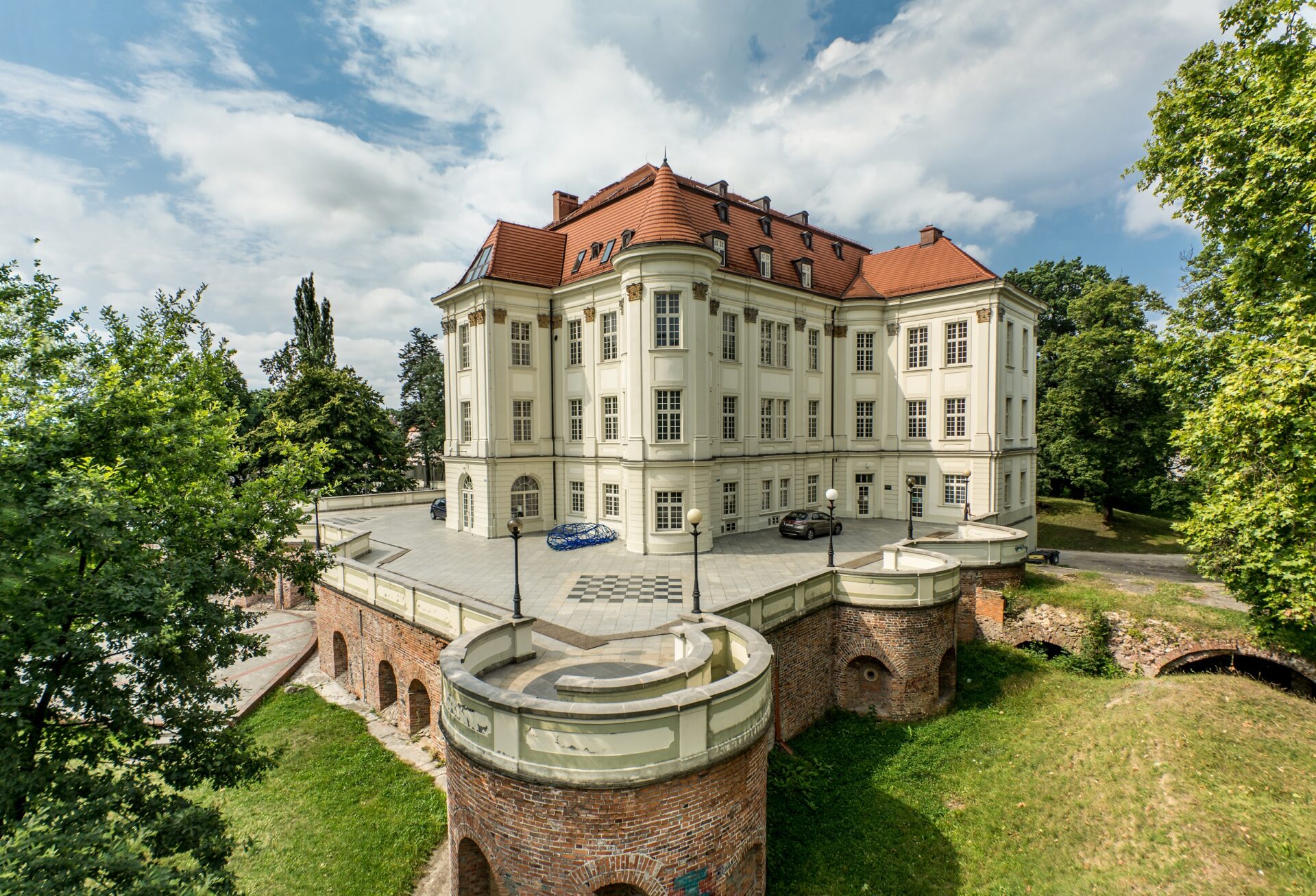
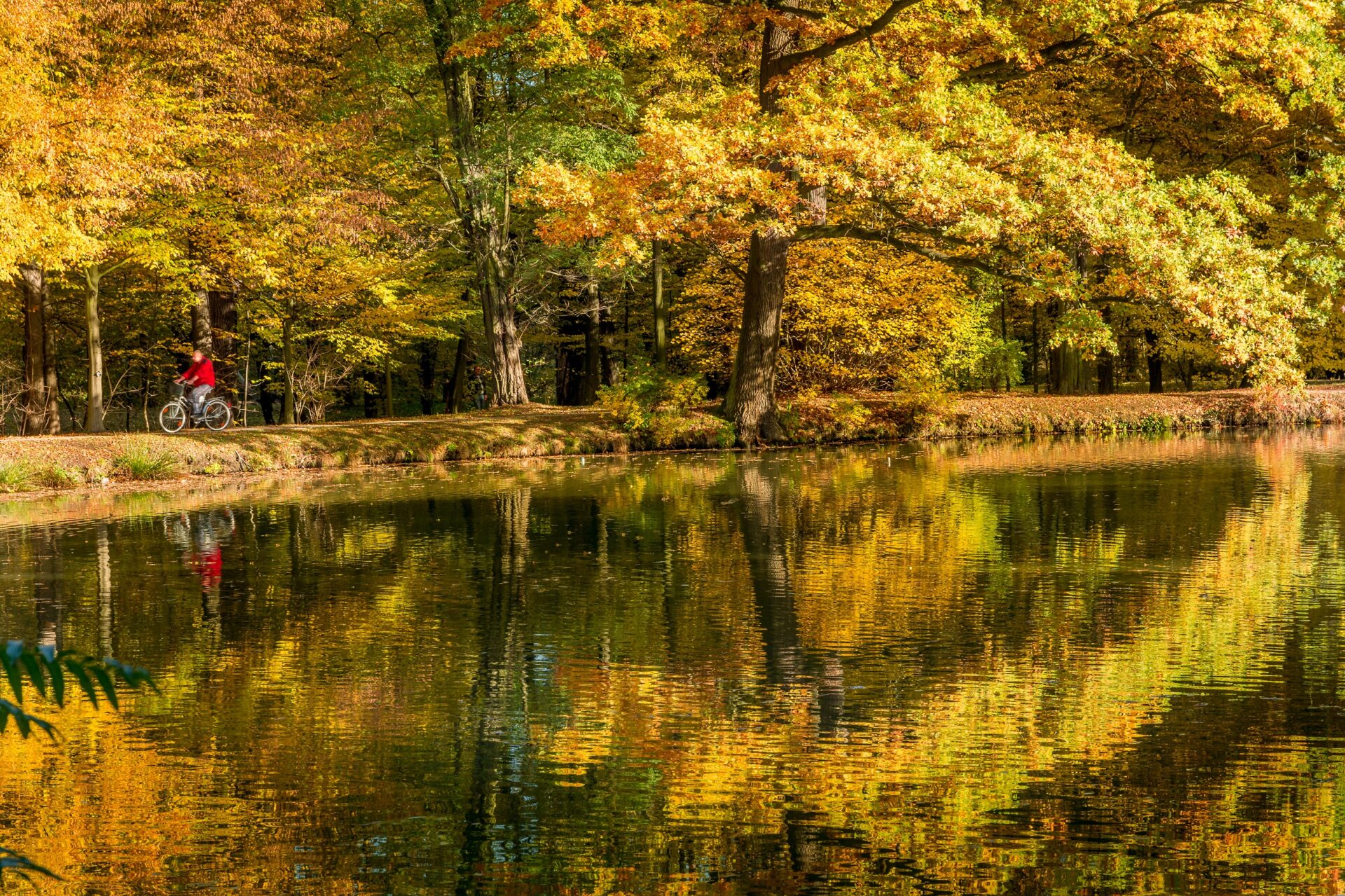
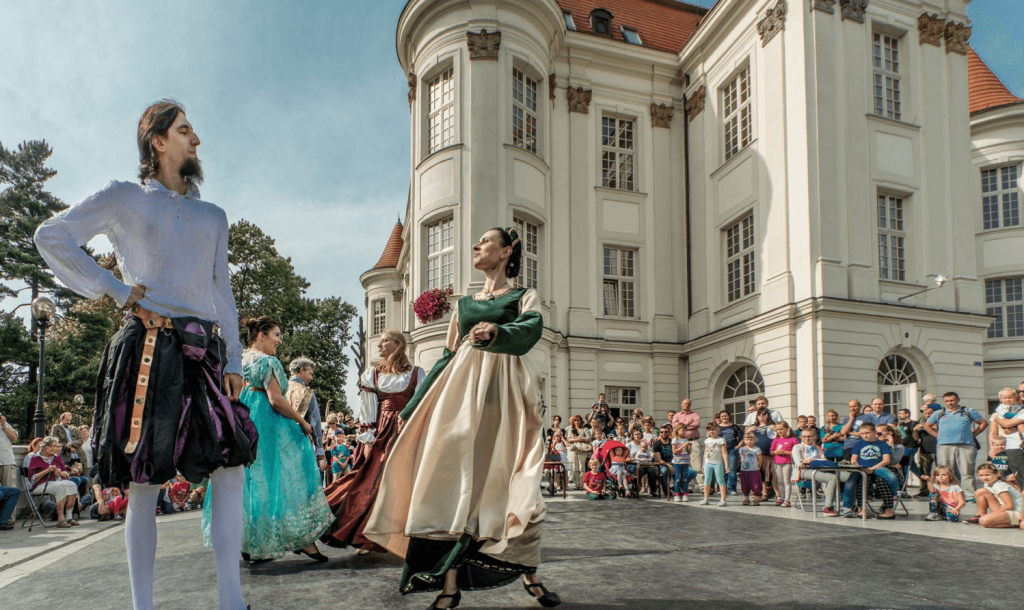
Leśnica is a part of Wrocław located west of the city center. The vibrant urban development surrounds a centuries-old gem – a palace, commonly referred to as a castle. The first stronghold here dates back to 1132. Henry I the Bearded, traveling between Wrocław and Legnica, wanted a residence along the way to rest. The brick castle was built around 1271. Remnants of this structure are still visible in the building's basement. The Piast period was followed by Czech rule. In 1412, a defensive complex surrounded by a moat, consisting of two houses and a tower, was built on the site of the former castle. It was destroyed in the first half of the 15th century after the Hussite invasion and subsequently burned down by Wrocław burghers. In the 16th century, Bohemia came under Habsburg rule, and Heinrich von Hörnig built his residence on the castle's remains in 1610. The Thirty Years' War meant that the opulent estate was short-lived. Another border shift brought Prussian and then German rule. The castle changed hands frequently and was rebuilt just as frequently, both internally and externally. In the mid-18th century, Baron Ferdinand von Mudrach introduced the Rococo style to the interior. Until the end of the 19th century, the castle had many owners, eventually falling into the hands of the von Wylich und Lottum family, who ruled it until 1944, when Ludolf, the last owner, died childless. World War II did not damage the castle, but a fire in 1953 wreaked havoc, destroying the historic interior. Today, it houses the Zamek Cultural Centre. Leśnica was incorporated into Wrocław in 1928. It is 10 km from the city center. The castle is situated on the edge of a vast park designed in the 19th century by the Prussian gardener and landscape architect Peter Joseph Lenné. It forms the southern edge of the vast forest complex known as the Mokrzański Forest. After World War II, this oasis of greenery fell into disrepair, and only after a revitalization project was its park character restored, showcasing its beautiful mature trees. It's worth taking a stroll along the paths around the pond, or exploring the eastern part bordering the Bystrzyca River. The park is easily accessible by public transport.
Grabiszyński Park
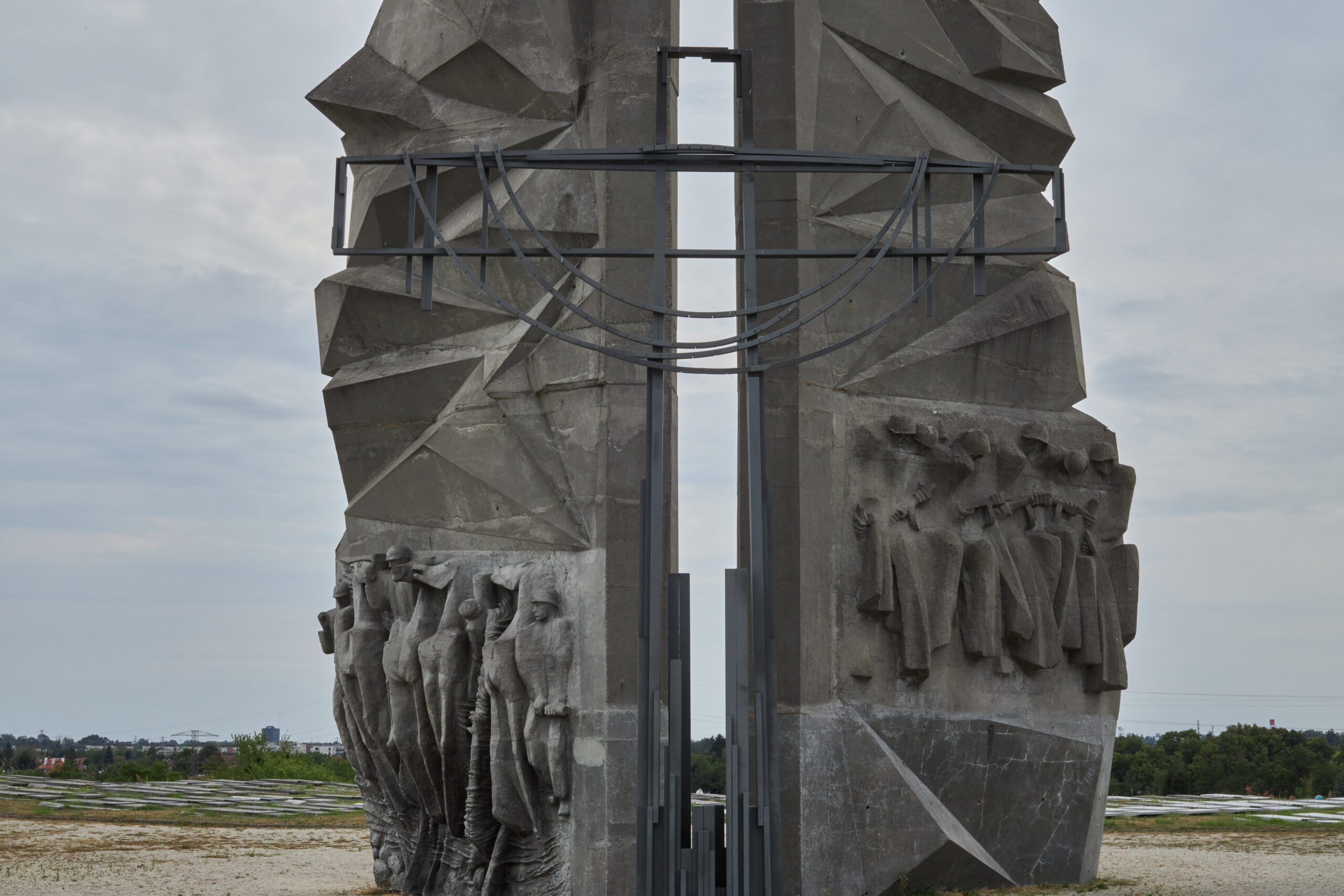
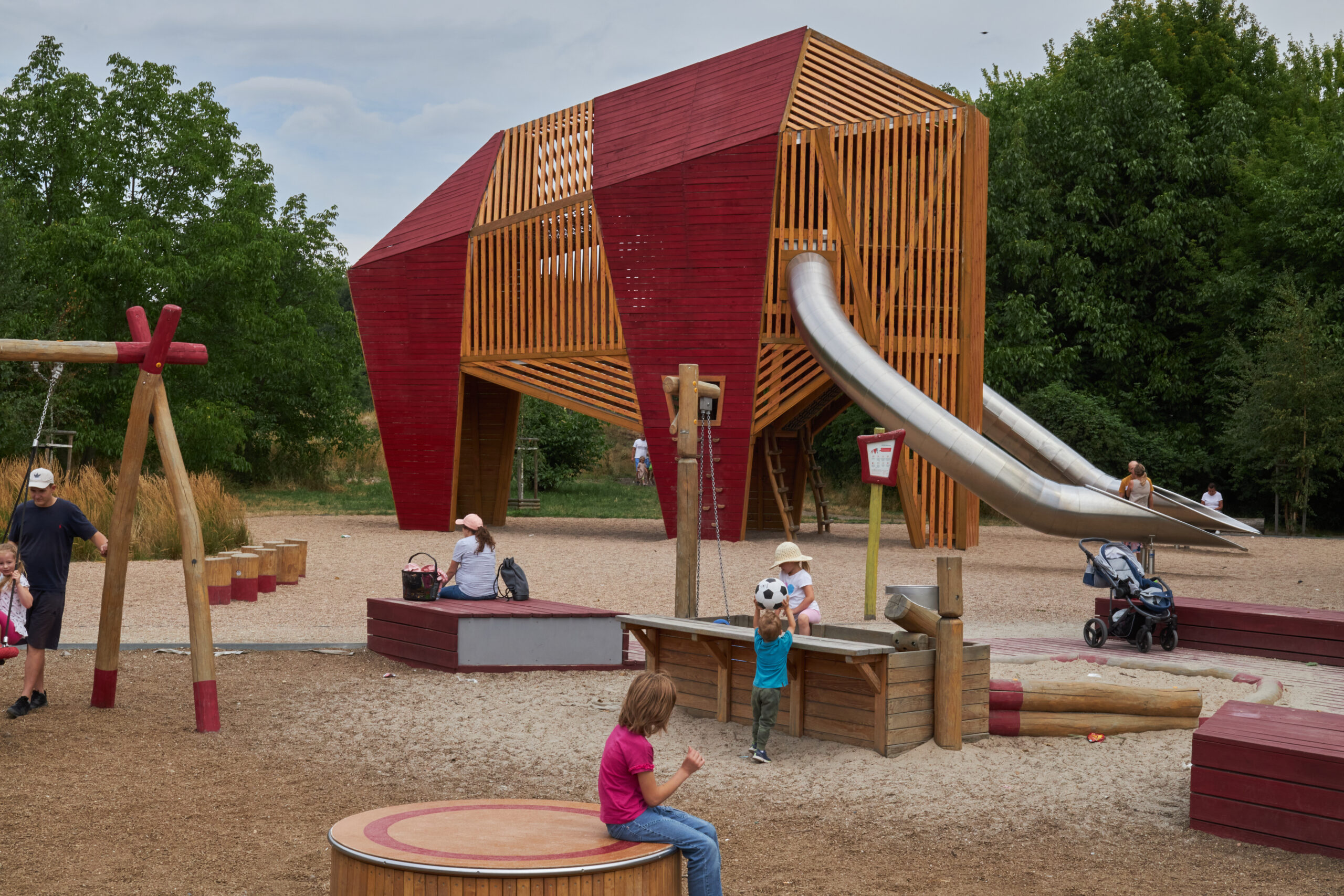
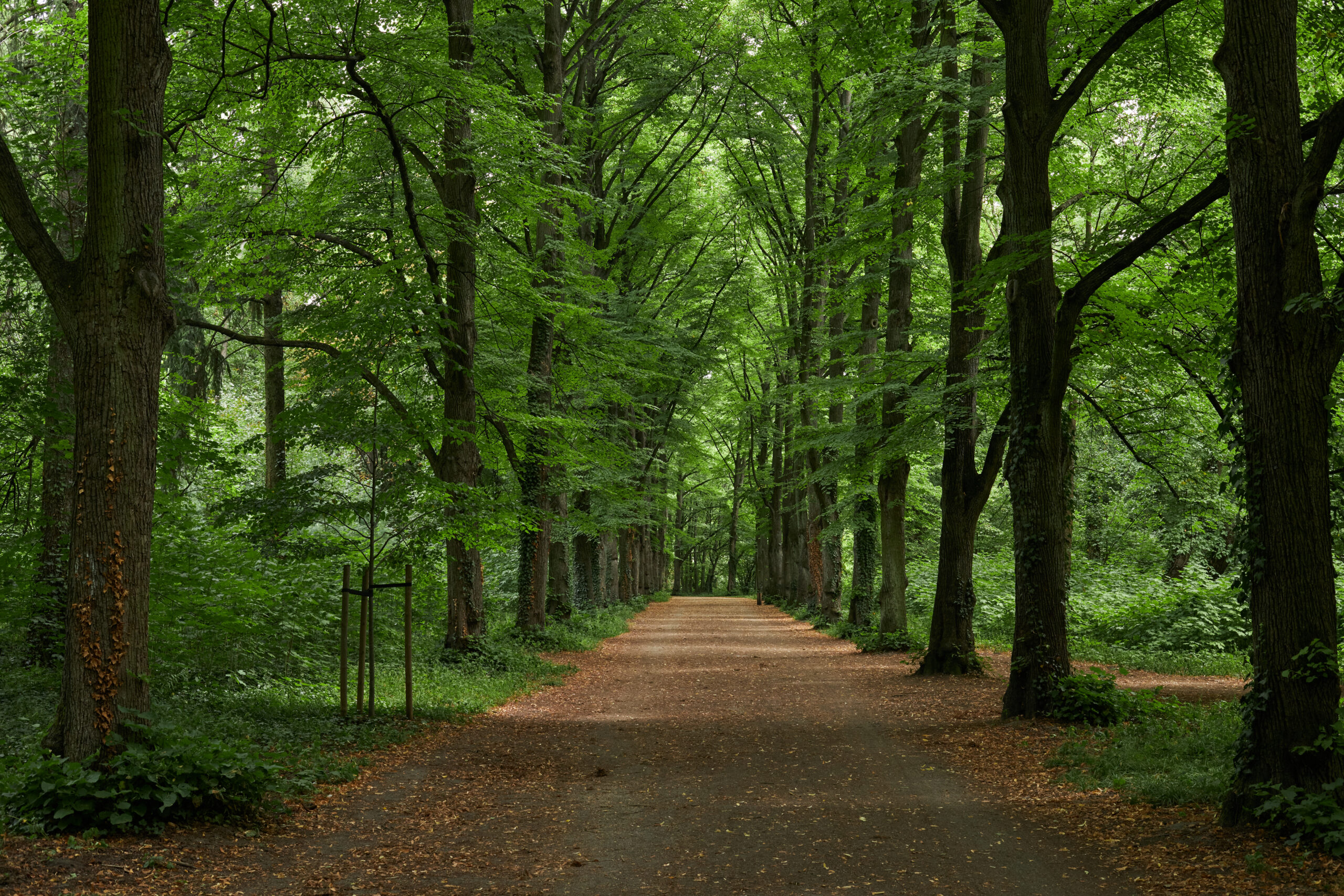
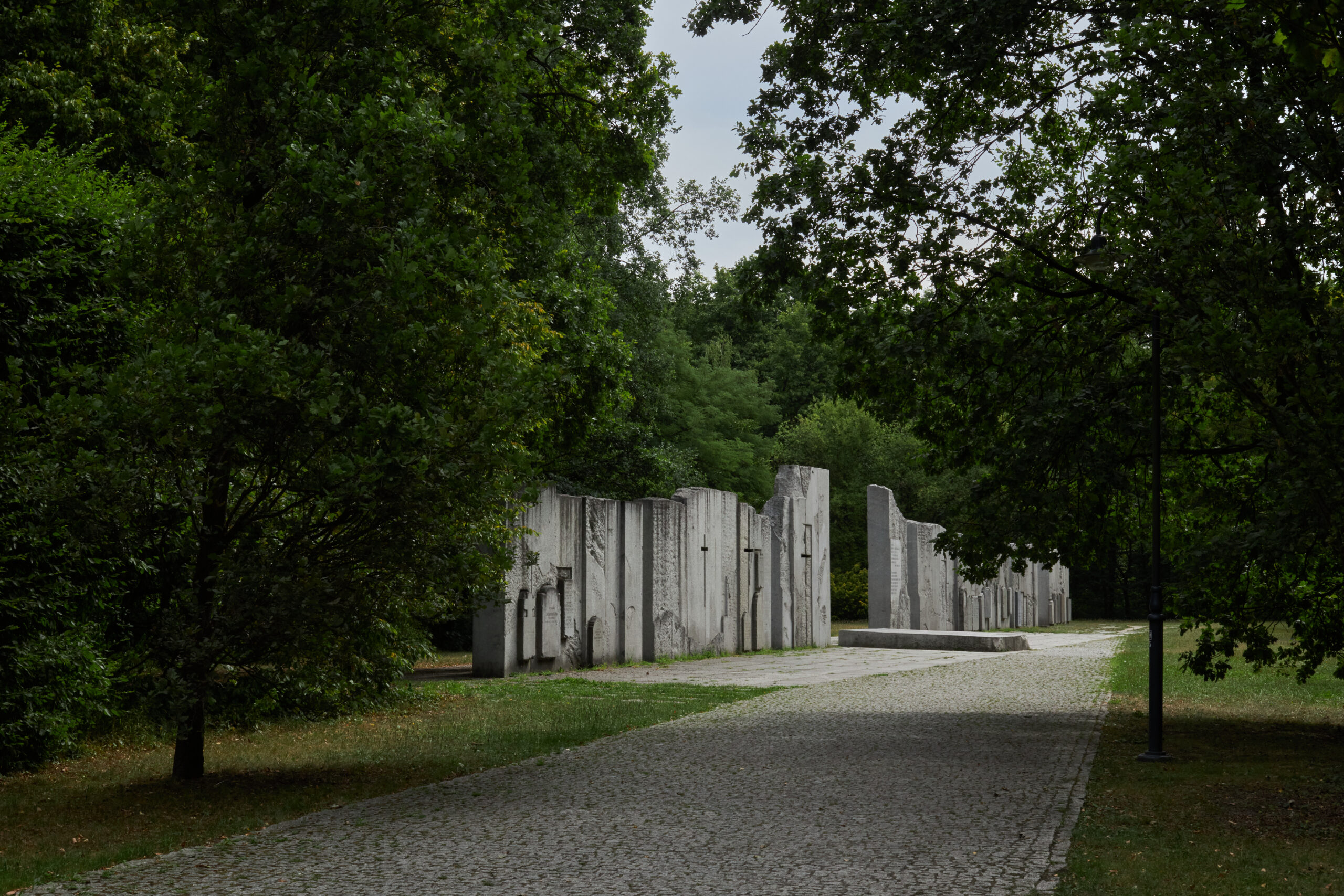
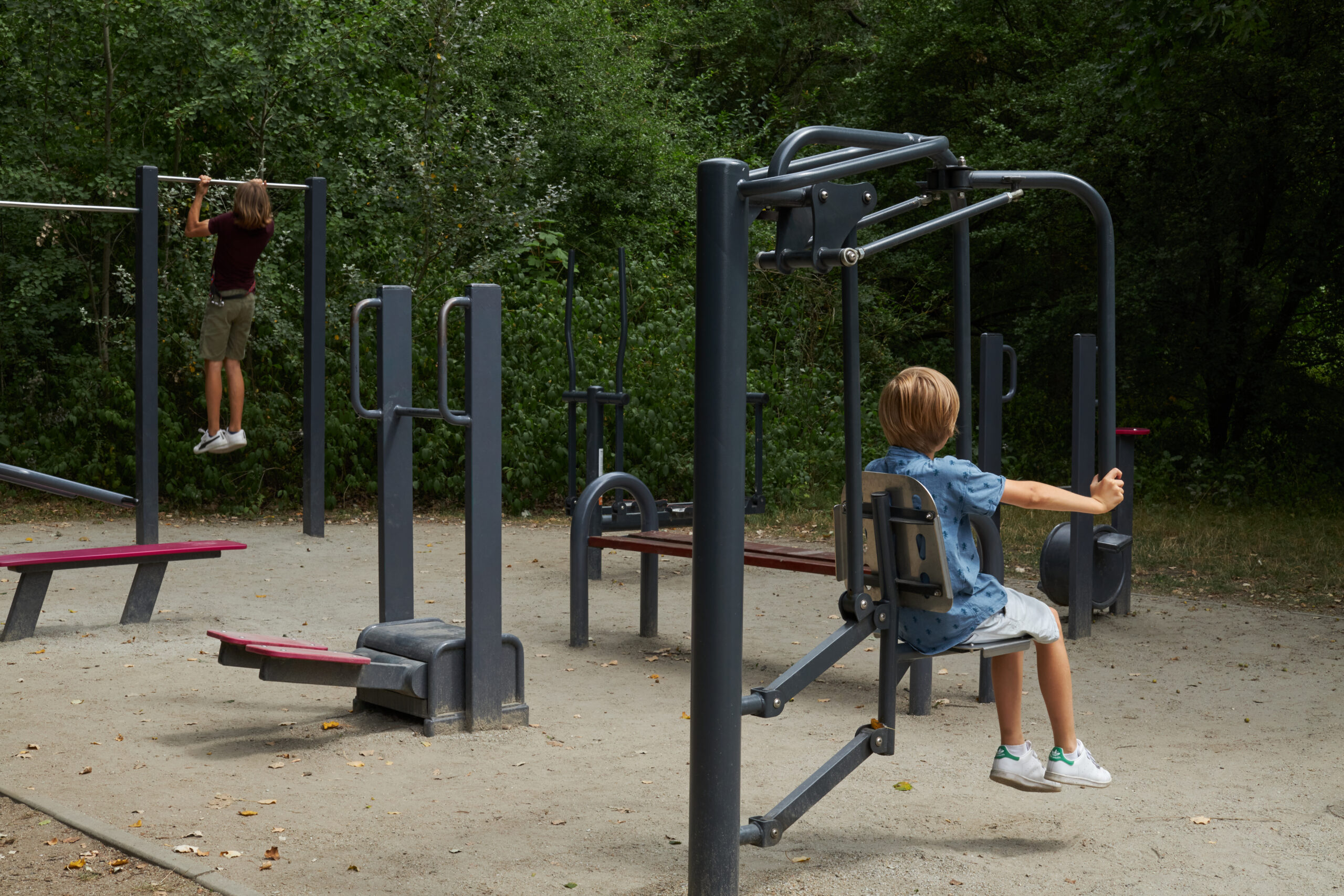
One of Wrocław's most popular parks was created on the site of a former cemetery. Entering the grounds from Grabiszyńska Street, you pass separate sections of the former necropolis (the Italian Soldiers' Cemetery from World War I and the burial site of Polish and German children from the 1930s and 1940s). A stately monument, towering over the Polish Soldiers' Cemetery, also dominates the treetops. This sea of greenery spreads over nearly 48 hectares and is divided into a northern section, on Hallera Avenue, and a southern section, bordering the Ślęza River. This green space has a diverse range of appearances – from a forest emanating the pristine naturalness of a forest to a classic city park. The tranquility within offers a truly relaxing respite from the hustle and bustle of the city.
The park is easily accessible by public transport. Portable toilets, adapted for wheelchair users, are located within the park. Parking with spaces for people with mobility disabilities is located at Grabiszyńska Street 337.
Kleciński Park
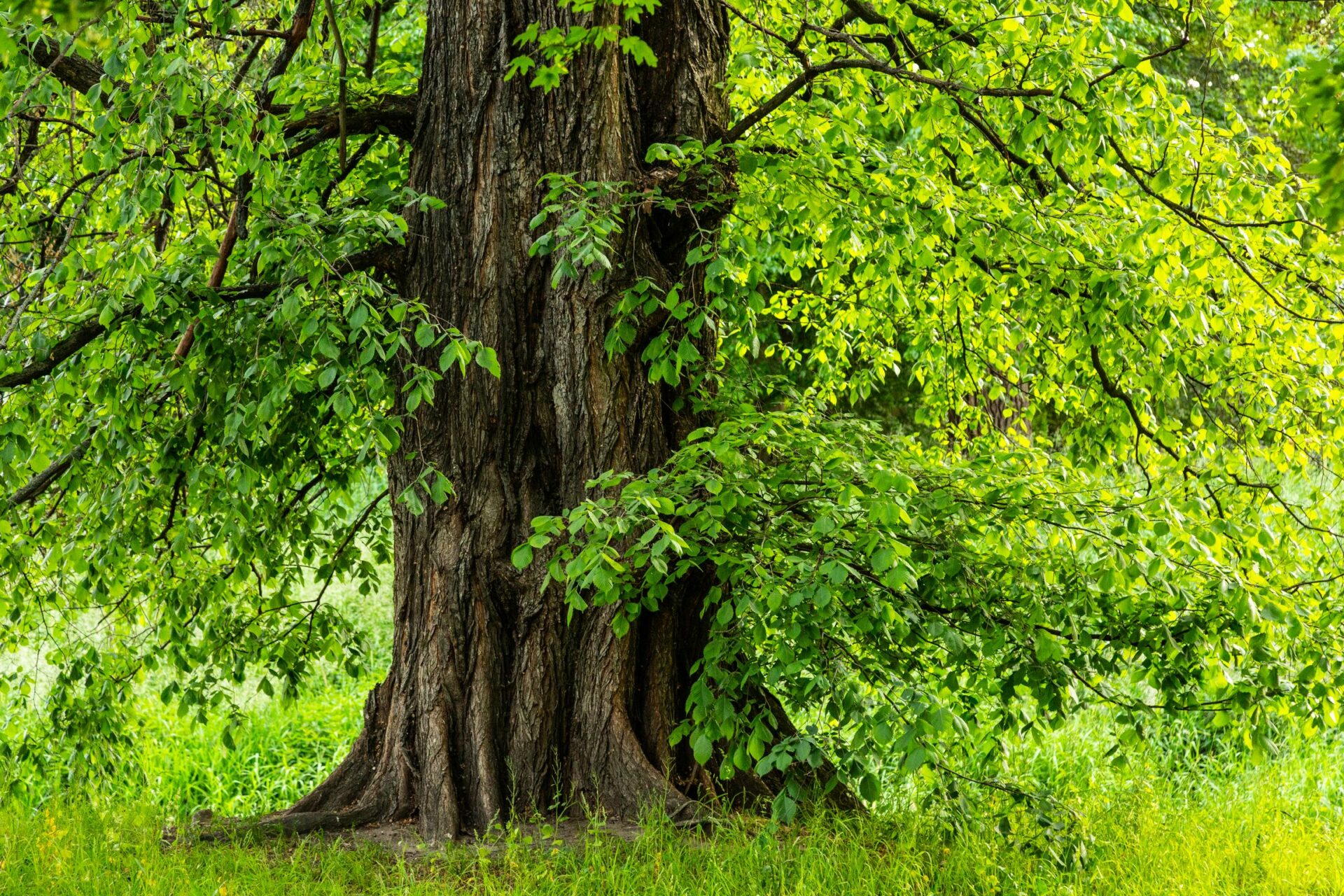
This miniature park, measuring just 9 hectares, is located in the southern part of the city and nestled in a rather unconventional location. Thousands of cars enter and leave the city via Karkonoska Avenue. Its natural boundary is the Ślęza River on one side, and the Klecina neighborhood on the other. Despite being so closely surrounded by the city, it remains a true green enclave. Visitors can admire beautiful specimens of ancient trees. The extensive clearing in its central area is a great picnic spot. The park includes an amphitheater, a children's playground, a soccer field, and a beautifully designed and fenced dog park with numerous obstacles and areas for playing with their four-legged friends. The park does not have its own parking lot, so you'll need to use the parking spaces scattered throughout the surrounding residential streets. Access is easy by public transportation, as it's adjacent to a tram terminus.
South Park (Park Południowy)
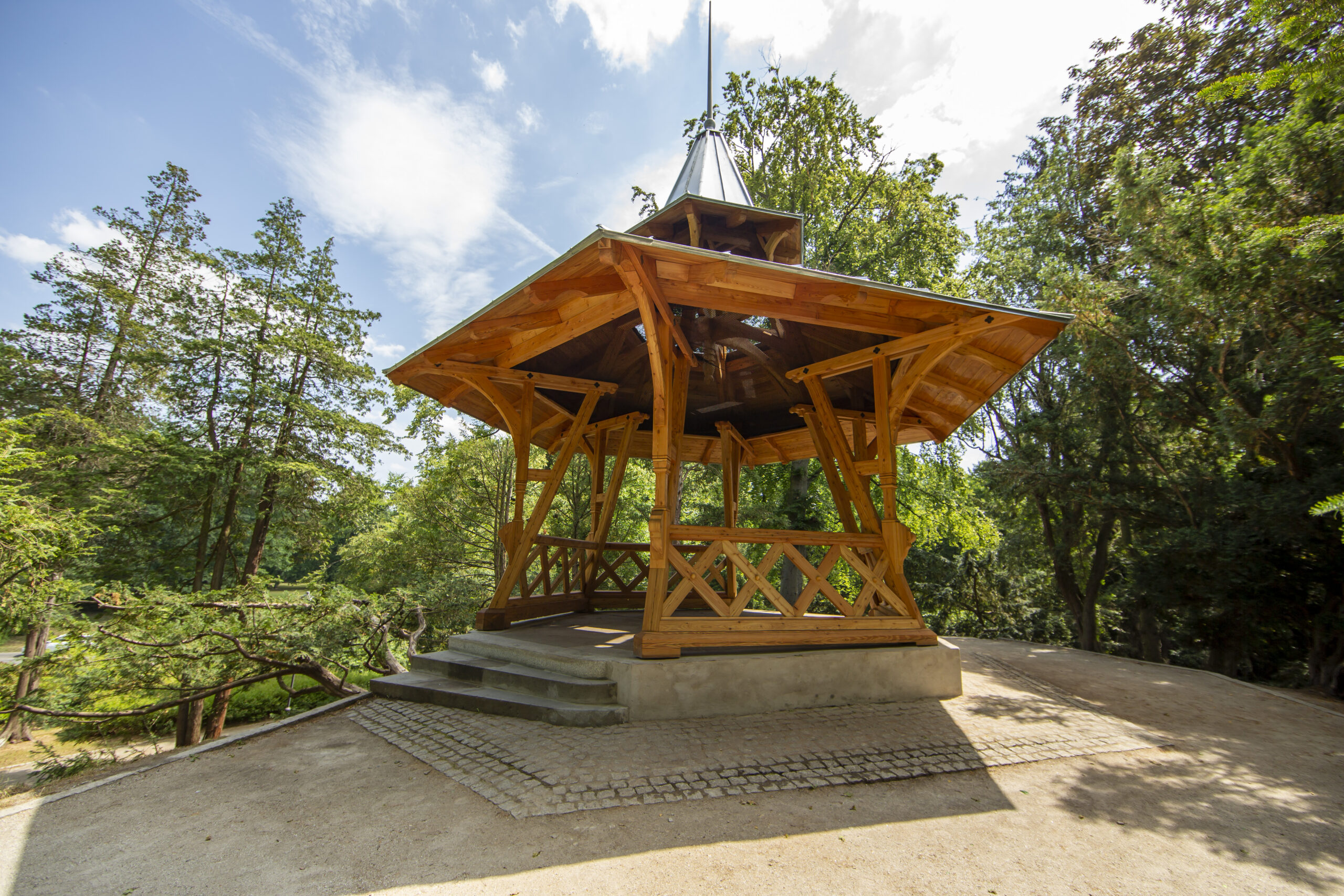
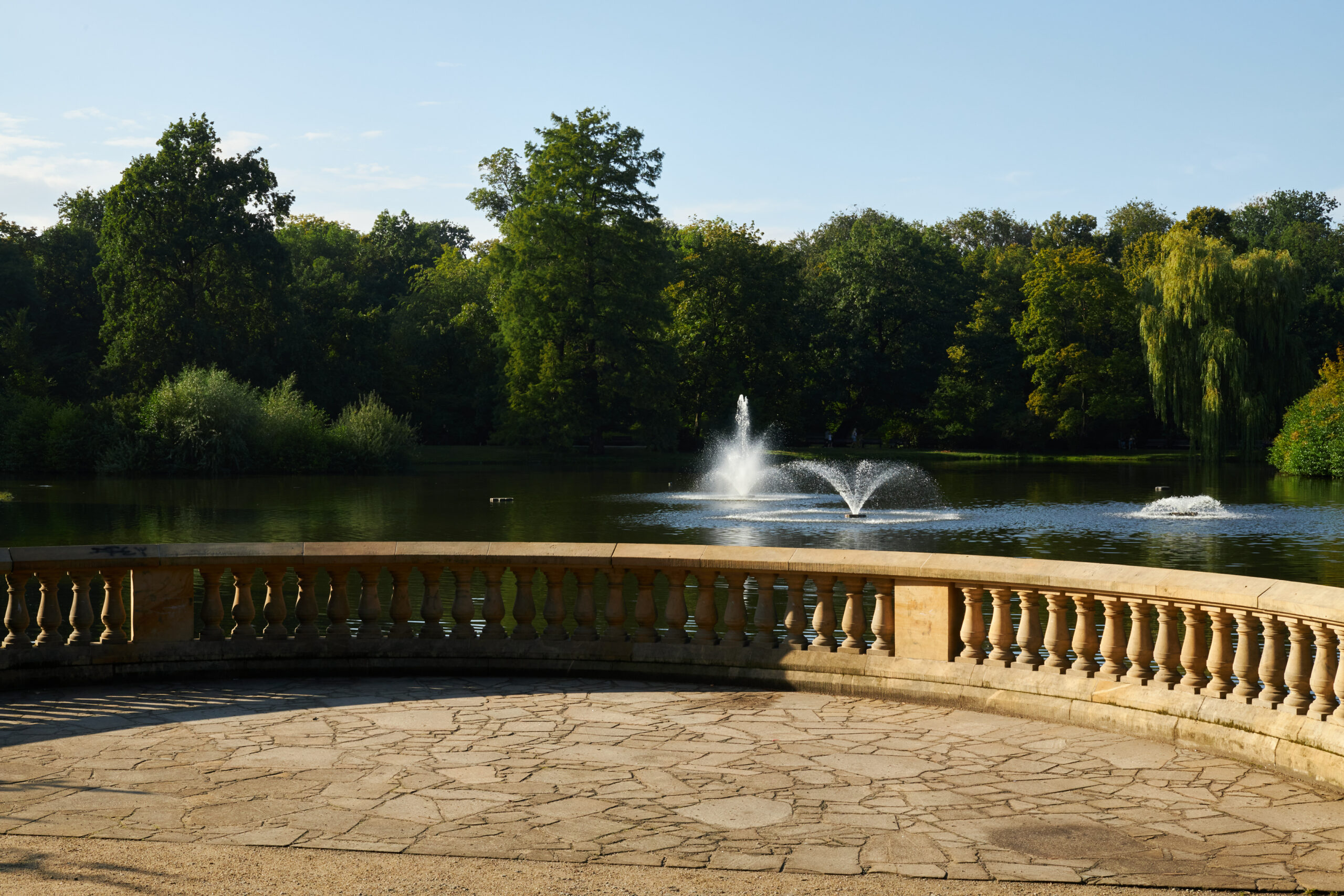
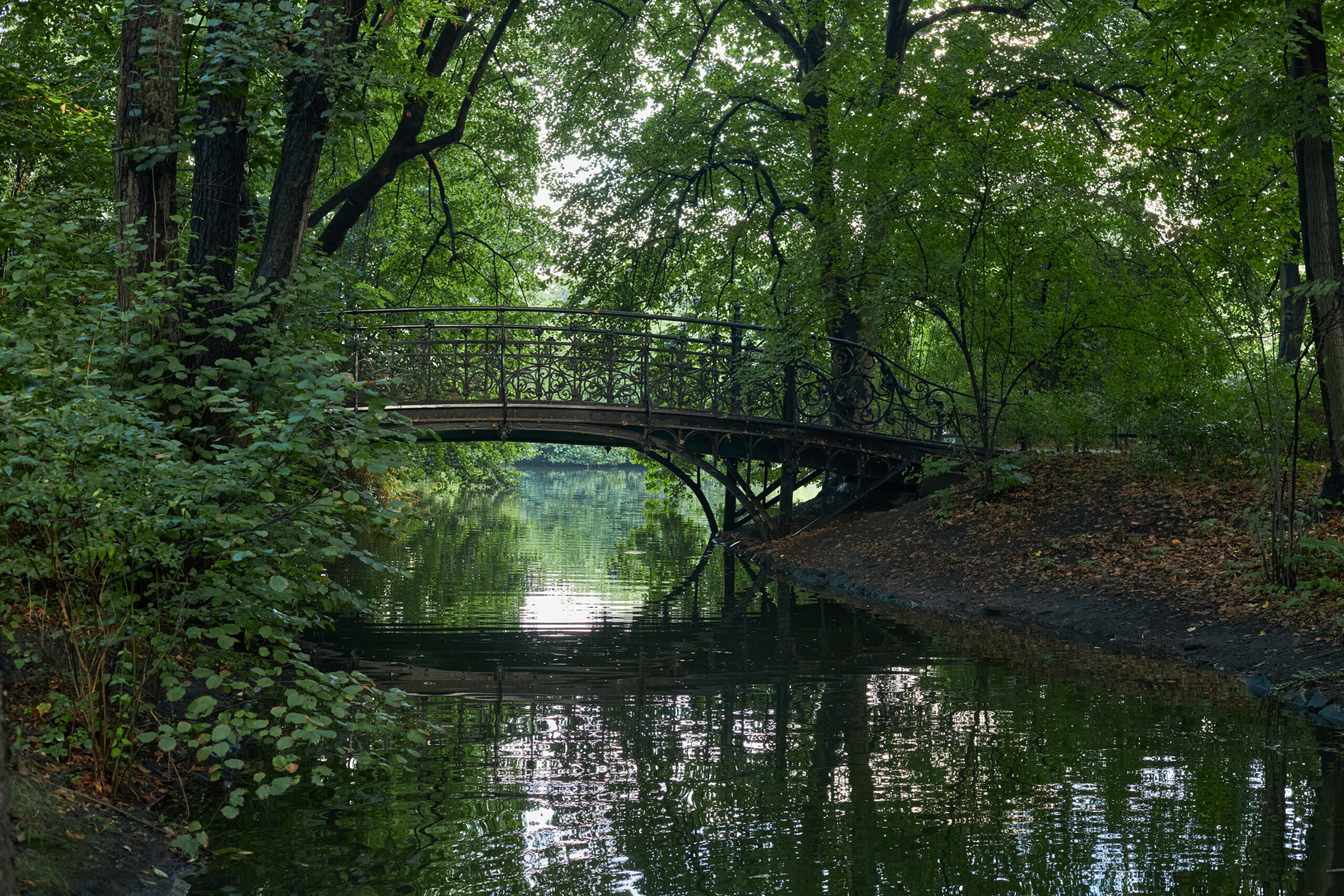
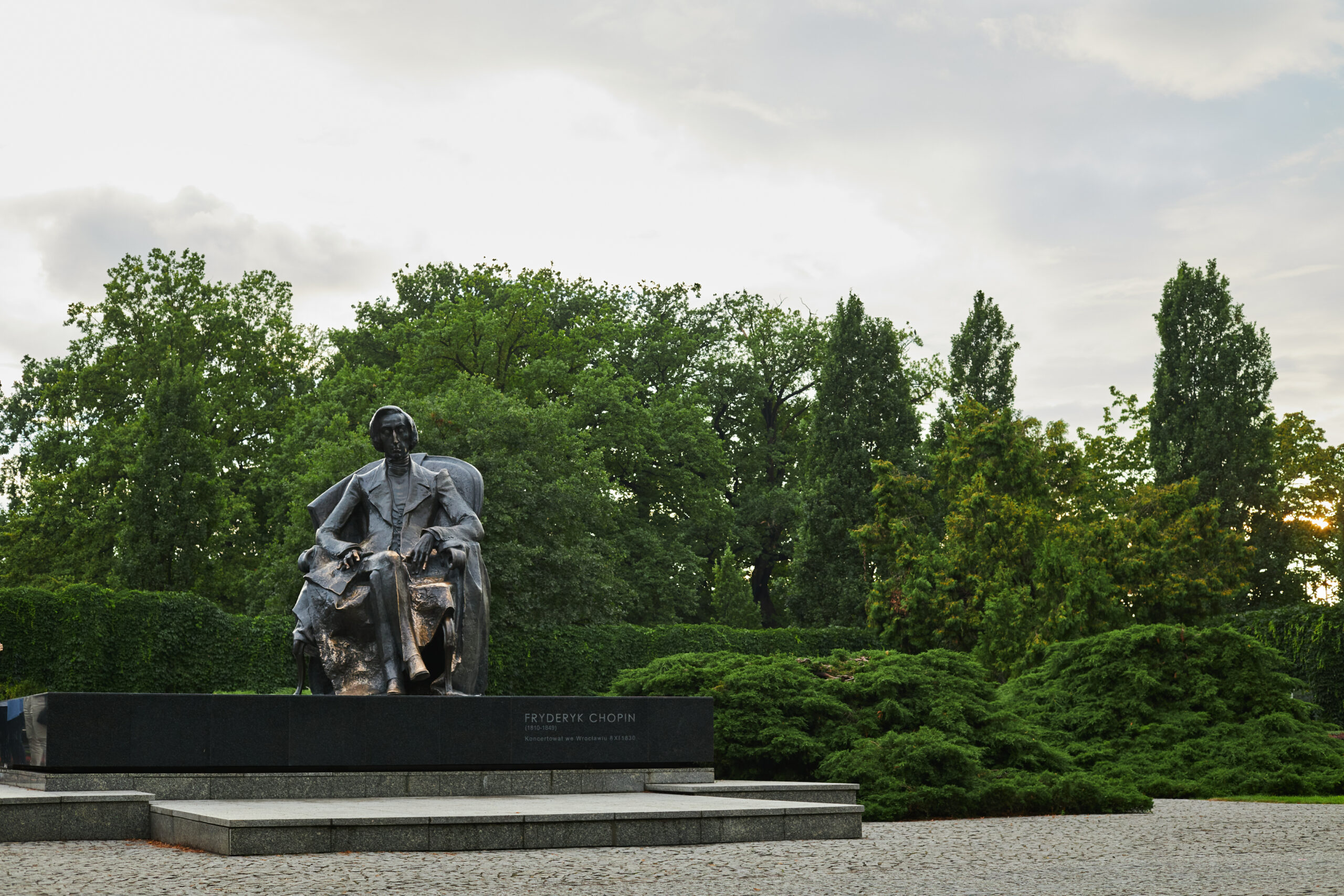
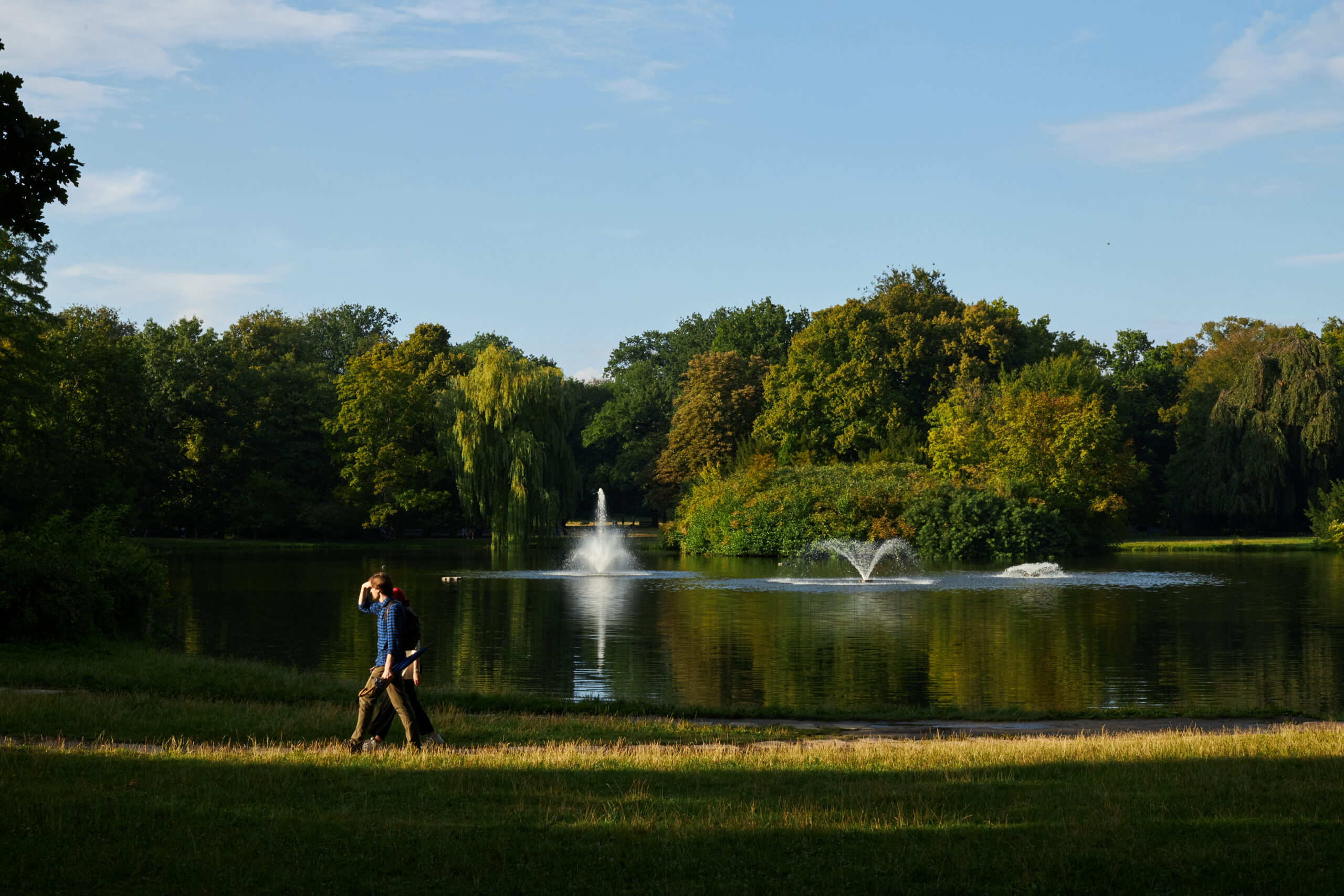
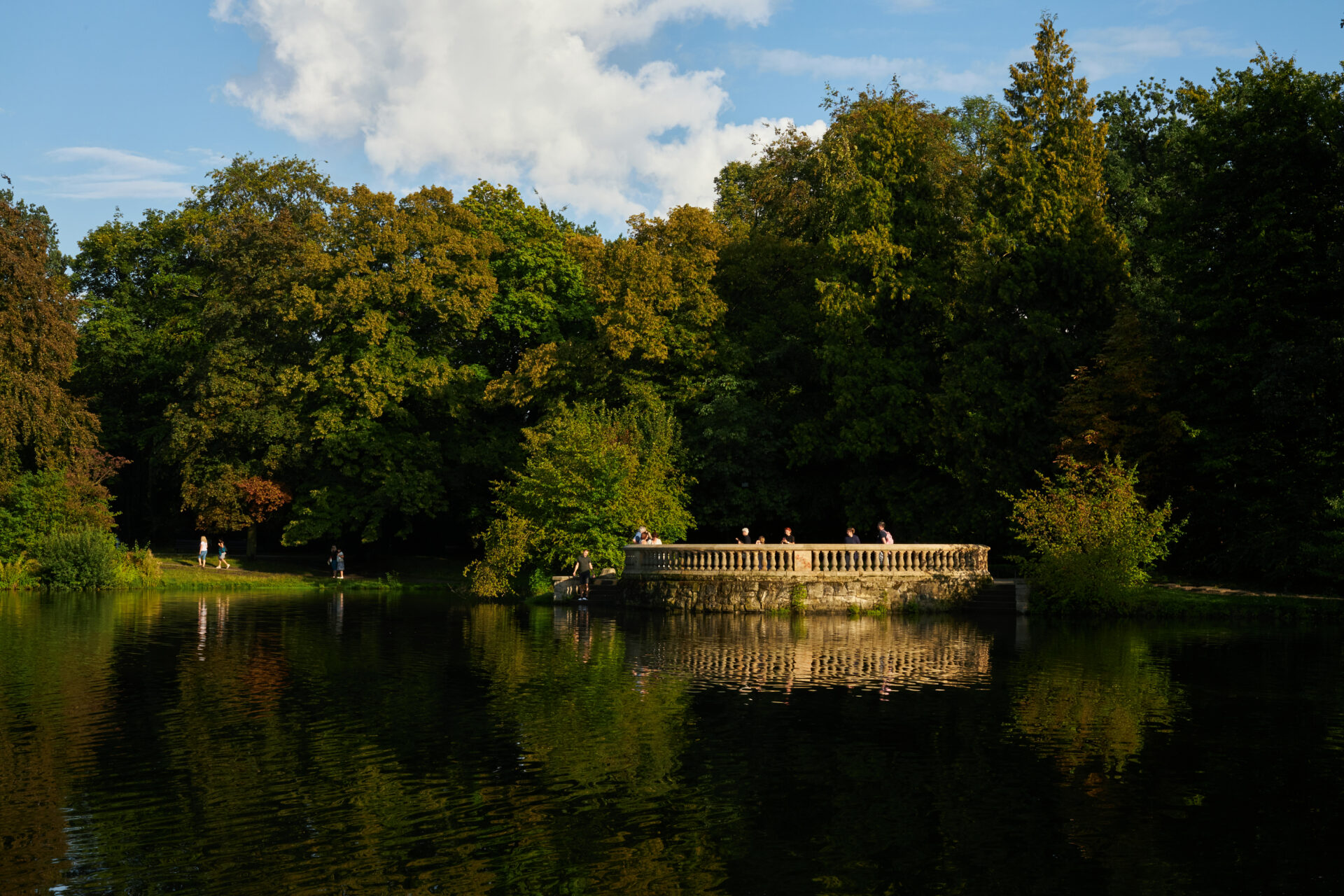
It's a prime example of a space designed from scratch, not converted from forest land. The park is located in the southern part of the Borek estate. In the second half of the 19th century, landscape architect Hugo Richter and botanist Ferdinand Cohn created a beautiful landscape park. It once housed a restaurant with a tall tower run by brewer Georg Haase. A remnant of the past is the Landsberg observation deck, offering a beautiful panorama of the pond with fountains. The park is dominated by massive old trees. Strolling through these nearly 25 hectares of greenery, you can completely forget that this is still a city. Since 2004, the park has housed a monument to Fryderyk Chopin by Jan Kucz. The composer is depicted on a sofa, engrossed in music. Parking is easiest to find along Waligórskiego Street. The park is easily accessible by public transport.
Topacz Castle with a park
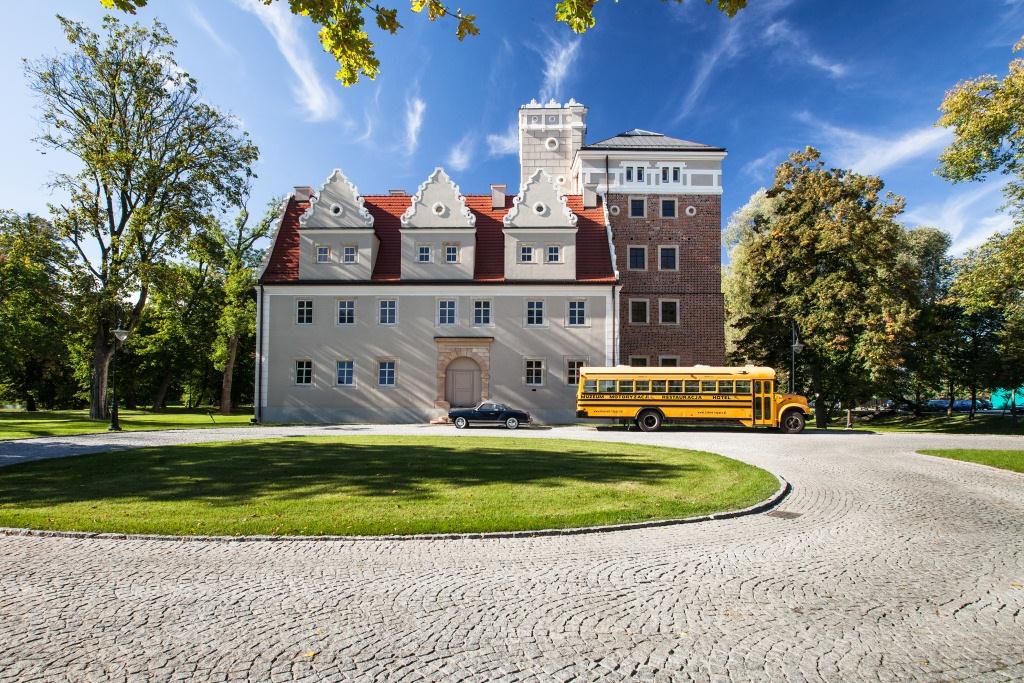
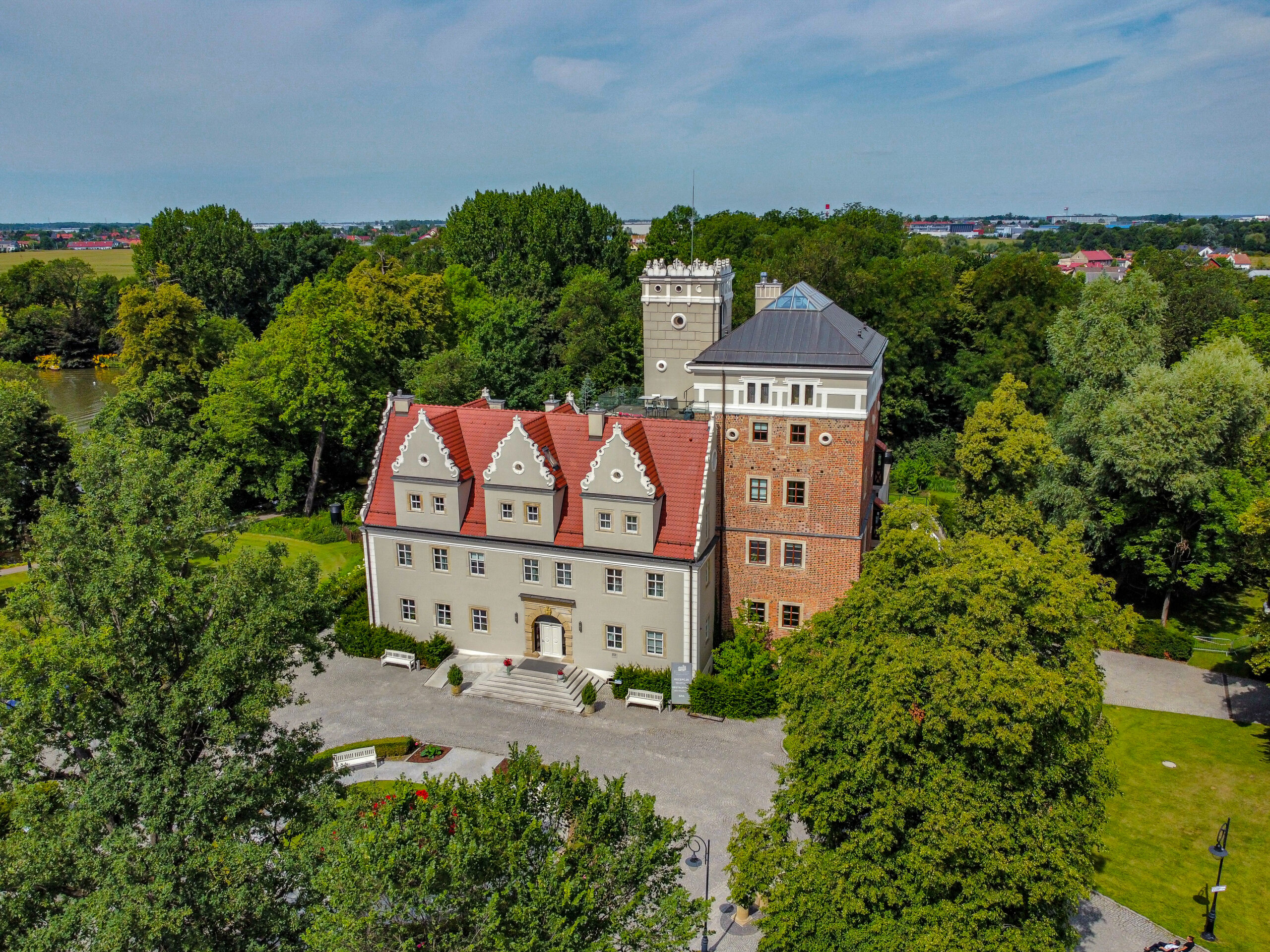
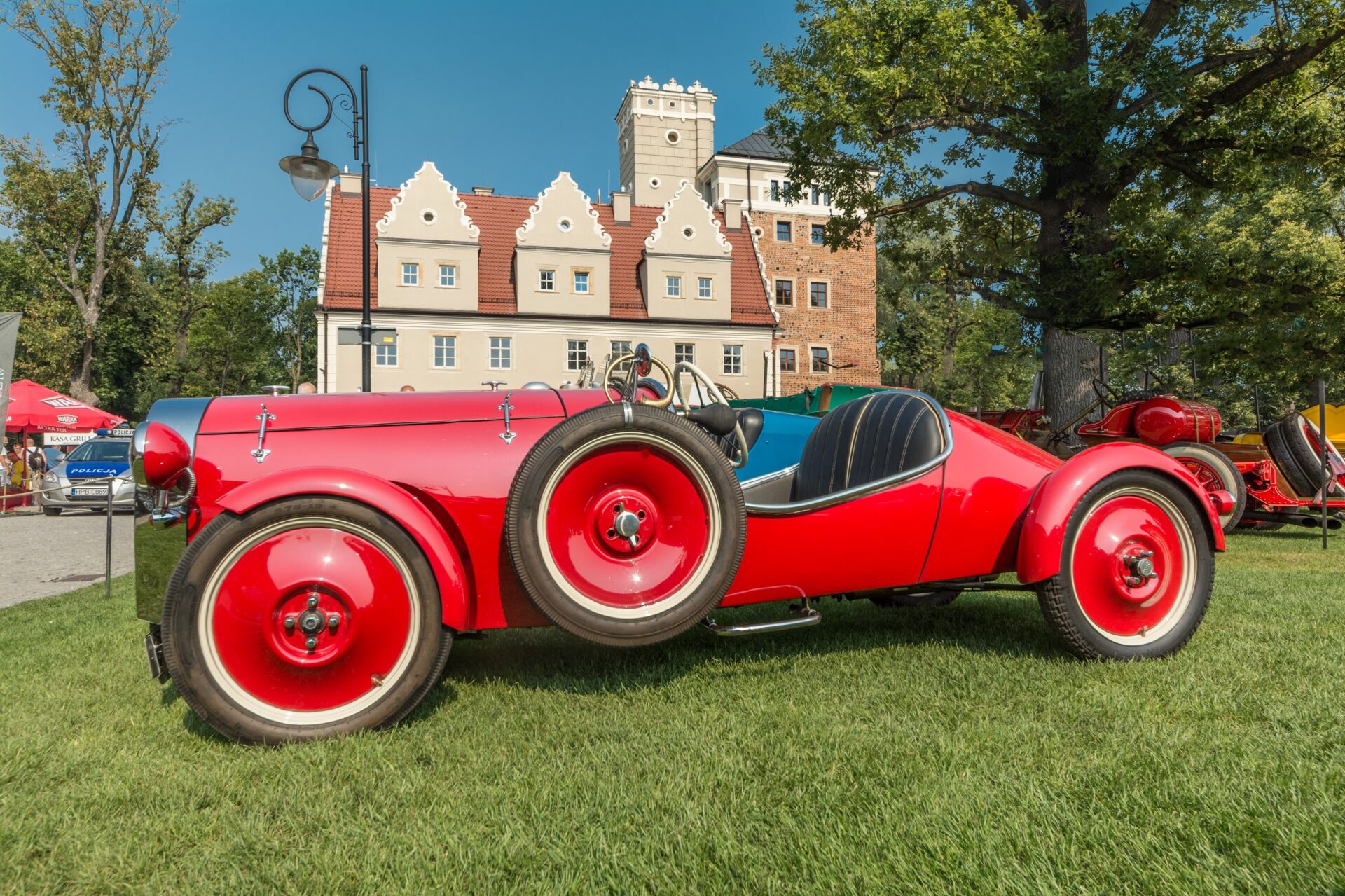
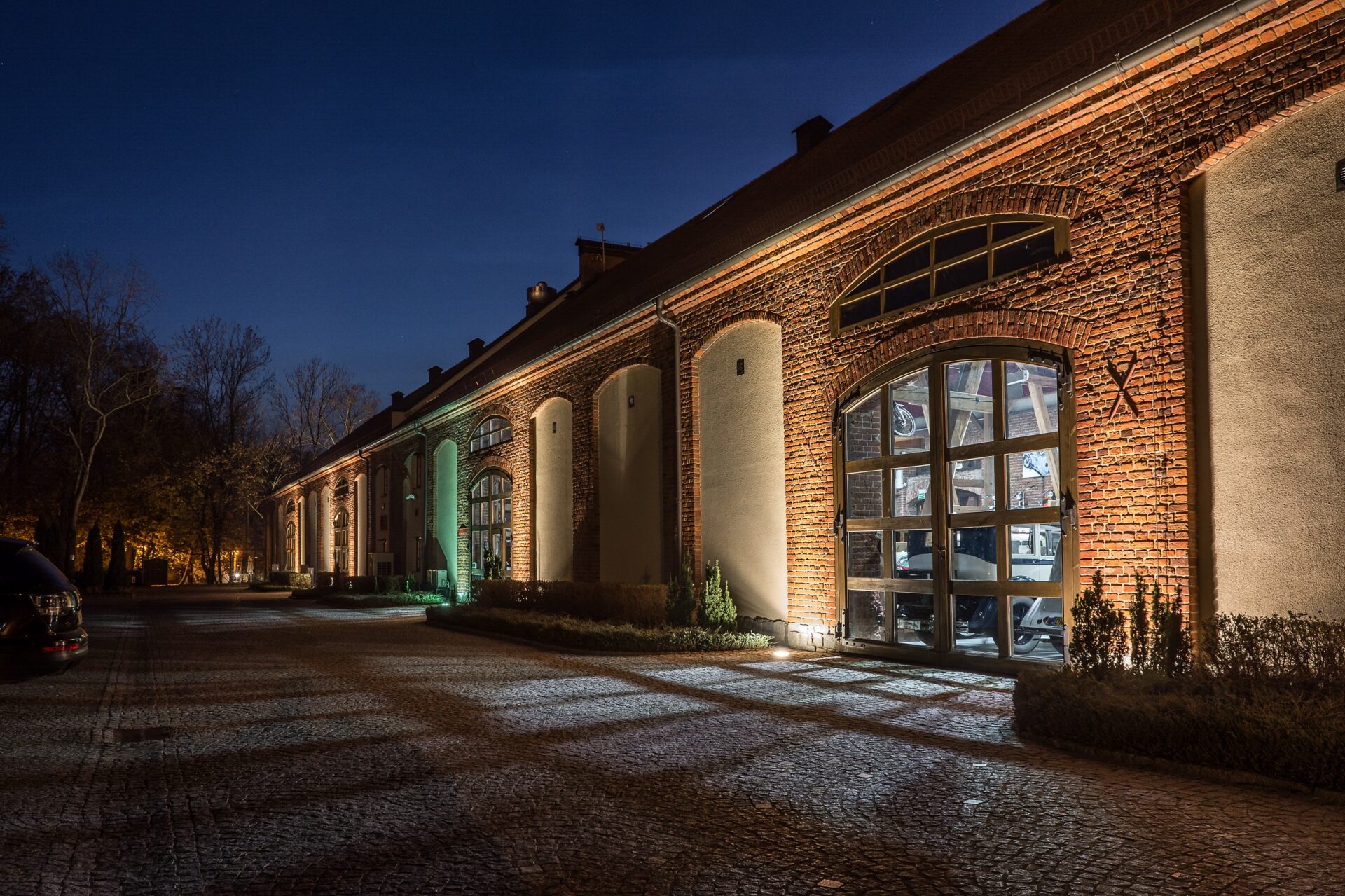
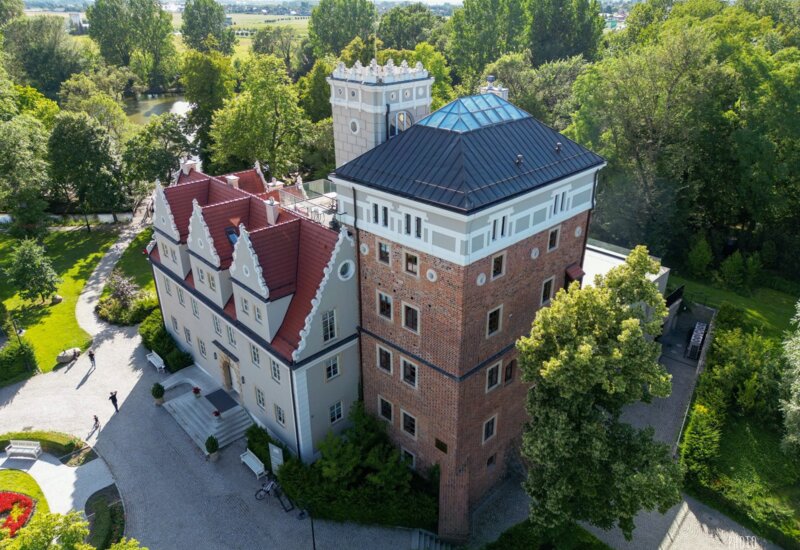
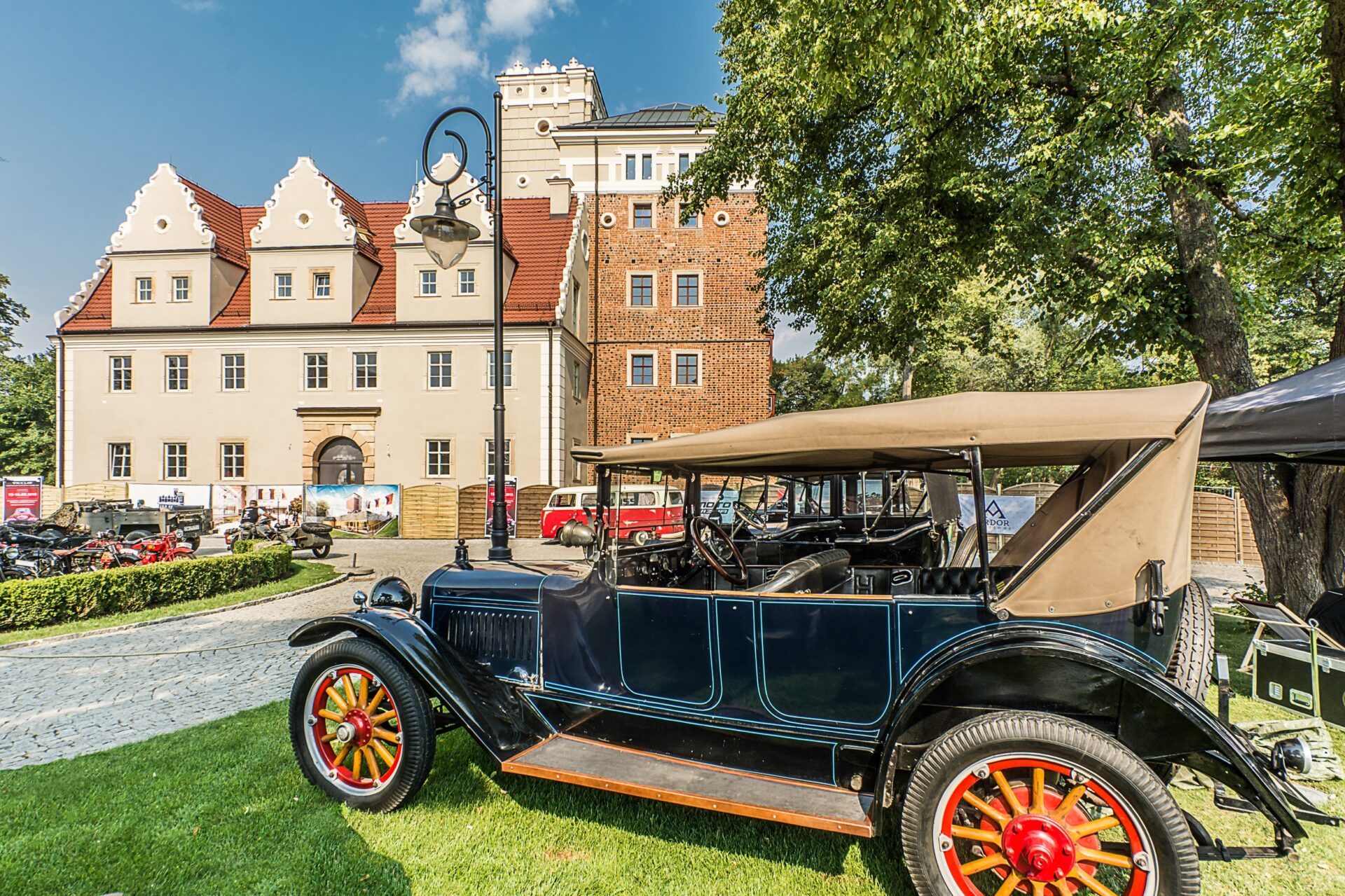
Ślęza is a village located on the outskirts of Wrocław. It's likely that the Templars built a defensive and residential tower here as early as the 14th century, although this isn't entirely certain. This makes the mysterious walls even more interesting. It is known that the estate belonged to Heinrich von Vogt in the late 16th century, and in 1618, a Renaissance structure was added to the tower. Changes in ownership, expansion, and development of the estate continued unabated until World War II. Military operations did not damage the complex, but after 1945, it was treated poorly. A childcare facility was established within the walls, and over the years, the estate's splendor faded. Fortune changed in 2002, when, thanks to new owners, the historic monument was restored to its former glory. They rediscovered the potential of the area. They established a hotel and restaurant in the restored buildings, as well as a motor museum. The entire complex is surrounded by 50 hectares of green space. Right next to the castle is a small, historic park with a picturesque pond in the center. Parking is available within the hotel and restaurant complex.
East Park (Park Wschodni)
Looking at a map of Wrocław, in its eastern part, in the Księże neighborhood, you'll notice a veritable green island surrounded by the waters of the Oława, Oława Dolna, and Oława Górna rivers. A network of canals means the park is situated on two islands bisected by branches of the Oława. Access to the park is from Krakowska Street, crossing the Parkowy Bridge onto the island. Nearby, there's a parking lot and public restrooms (also accessible for people with mobility disabilities). The park has a unique atmosphere, and its distance from urban development creates the impression of a walk through a forest, far from civilization. It has wide main paths, but there are also narrower paths that lead to more remote corners. Numerous water channels add to its unique charm.
Szczytnicki Park
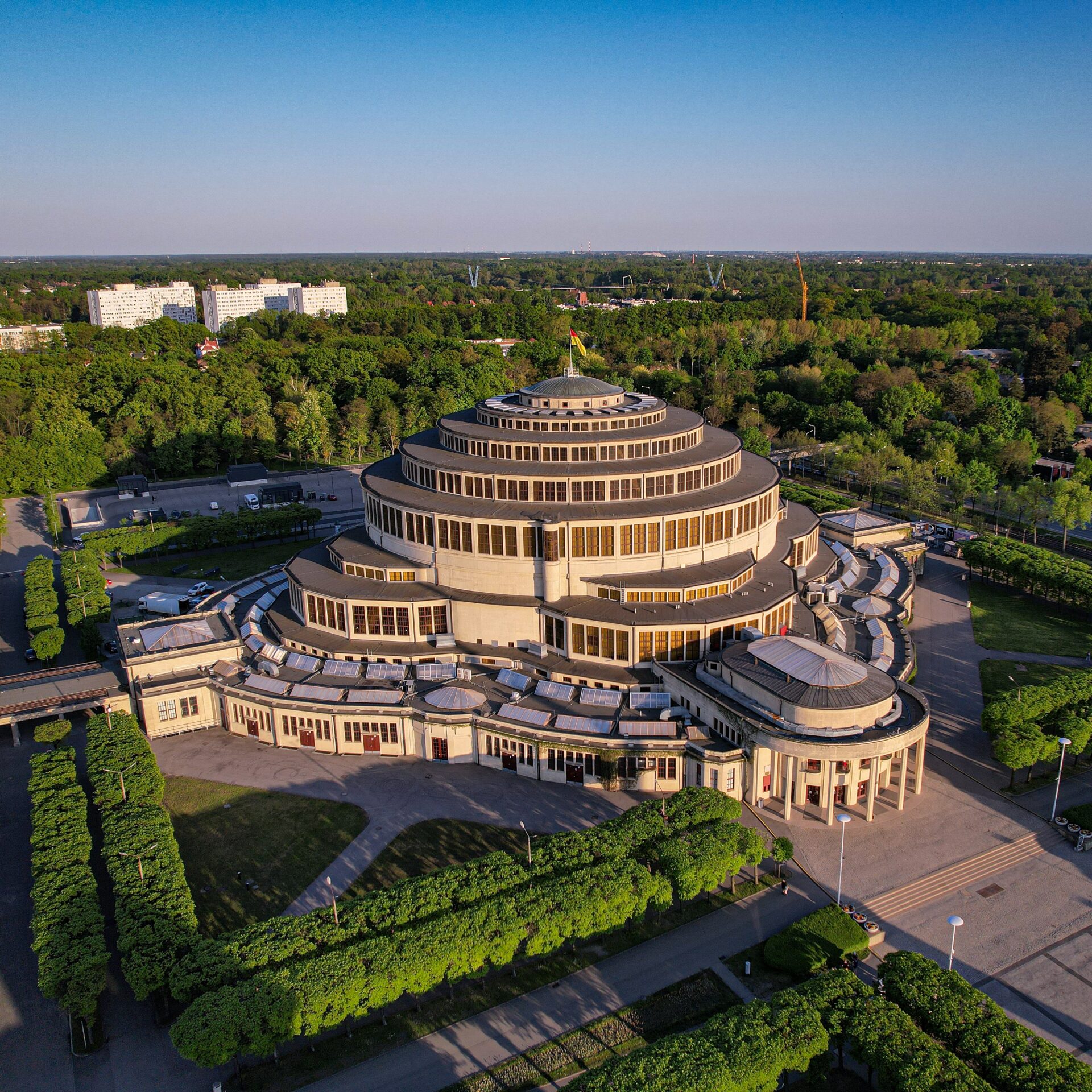
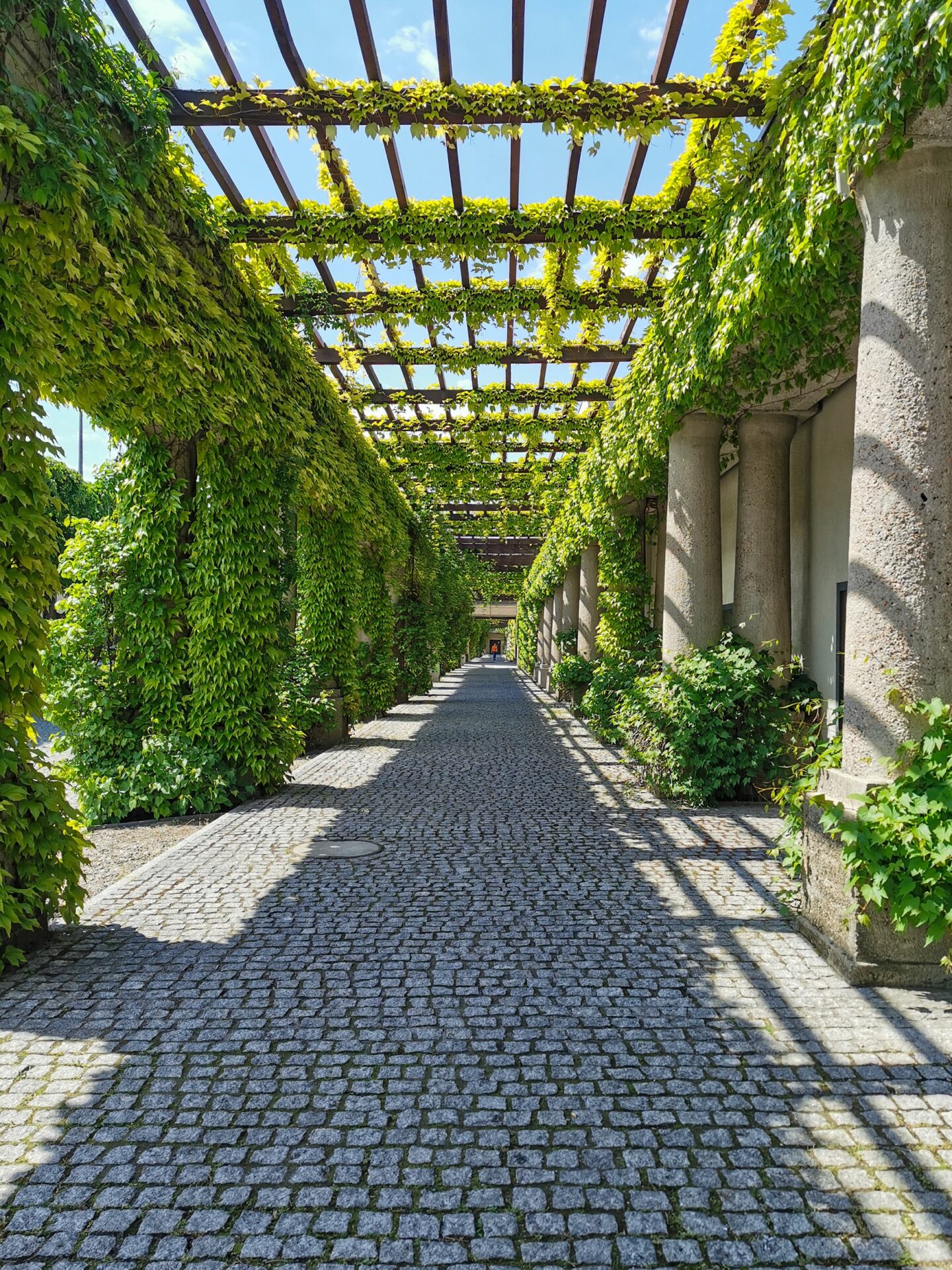
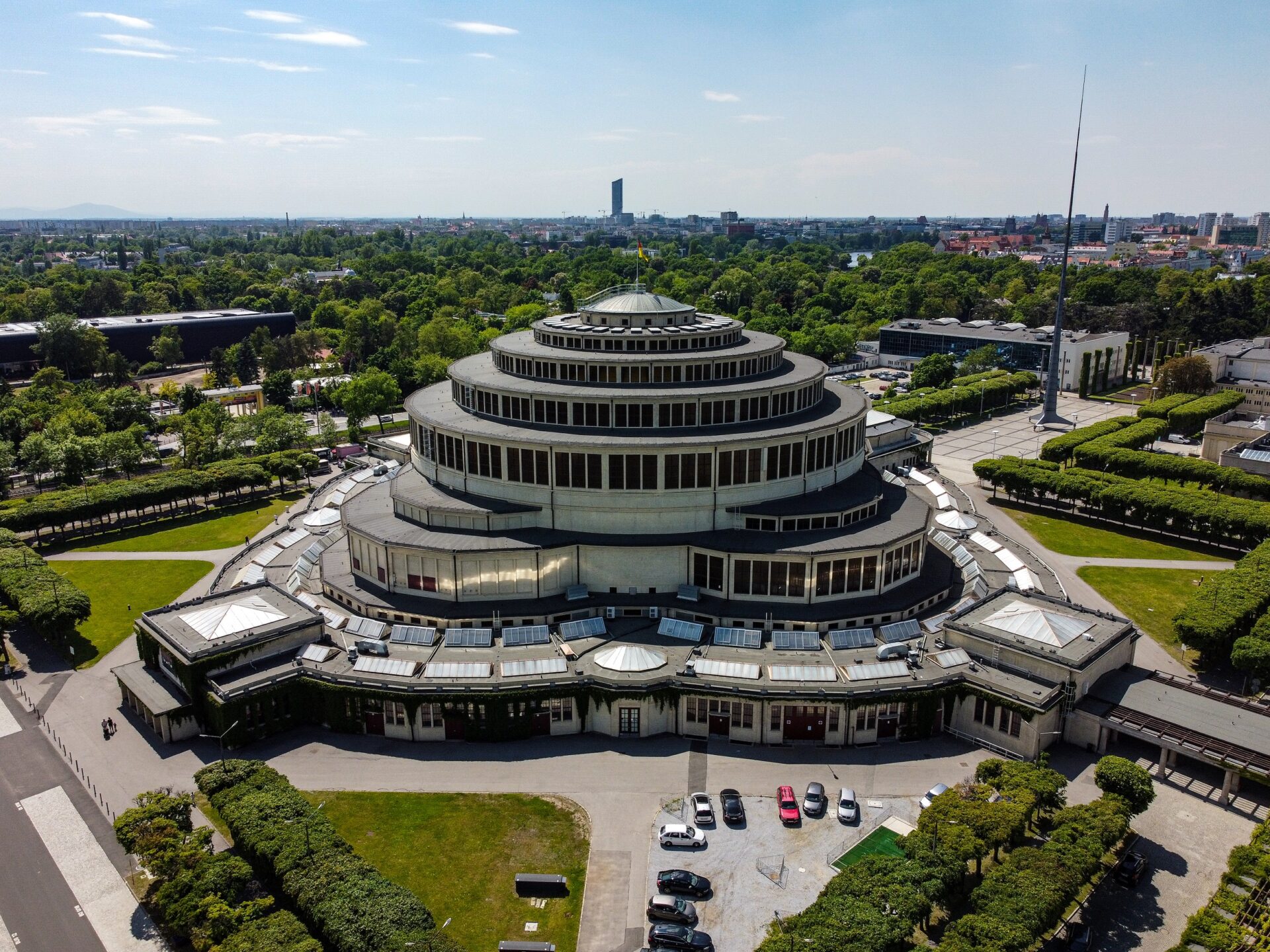
The park adjacent to Centennial Hall (the largest of over 40 parks in Wrocław) covers approximately 100 hectares. It is a remnant of the former Szczytnica Forest, which was purchased in 1783 by Fryderyk L. Hohenlohe. He created a beautiful English-style park there. A Japanese garden, established for the Centennial Exhibition in 1913, is an integral part of the park. Among the trees, you can also see the wooden church of St. John of Nepomuk, dating from the turn of the 16th and 17th centuries. It was relocated here from Kędzierzyn in 1913. Walking through the park, the monumental structure of Centennial Hall, which was added to the UNESCO World Heritage List in 2006, catches your eye. It was built for the Centennial Exhibition in 1913, organized 100 years after Frederick William III's famous address "To My People," which called on the nation to oppose the actions of Napoleon Bonaparte. Such a grand event required appropriate measures and the creation of a venue worthy of a World's Fair. Of the submitted proposals, Max Berg's design was selected, and he decided to build an exhibition hall with an innovative structure adjacent to the Wrocław Zoo. Other structures were also built in its vicinity: the Four Domes Pavilion and the Pergola, currently a favorite spot for strollers admiring the multimedia fountain. At the time of its completion, the Centennial Hall broke numerous world records: it housed the largest organ in the world (222 registers and over 16,000 pipes), and its dome surpassed the world's competition. A particularly interesting structure is the 90.3-meter-high Spire, located right next to the Hall. It was built in 1948 for the Recovered Territories Exhibition.
The eight parks that form a green ring around the city can provide a deeper insight into the subject. This is a challenge not for one season, but rather for years, as the number of interesting green spaces in the city and its immediate surroundings is impressive. The parks are best visited in spring, when they radiate fresh greenery and the numerous shrubs burst into a blaze of color. Another fascinating time is, of course, autumn, which best highlights the diversity of trees growing in the parks. Their leaves change color, creating a beautiful palette of golden Polish autumn.