
Search
Tourist Polska
Wrocław – ZOO and Afrykarium – 2 days
Transport: Autobus
Dates
From: 07.03.2026To: 08.03.2026
From: 18.04.2026To: 19.04.2026
From: 30.05.2026To: 31.05.2026
From: 04.07.2026To: 05.07.2026
From: 15.08.2026To: 16.08.2026
From: 26.09.2026To: 27.09.2026
From: 14.11.2026To: 15.11.2026
Regions: Wrocław
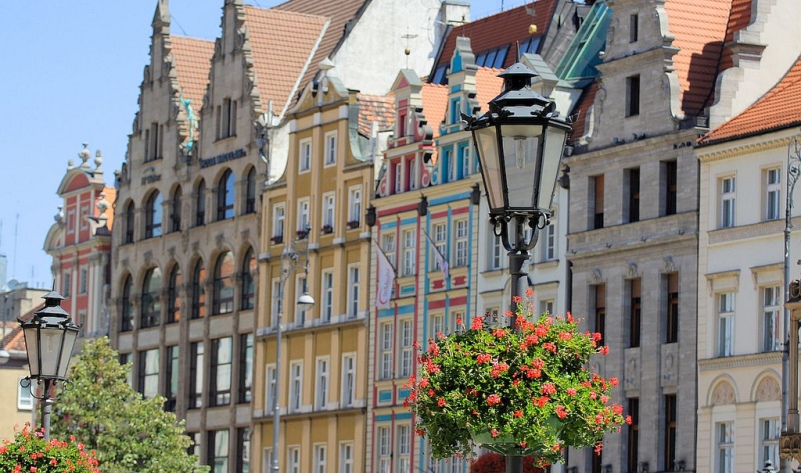
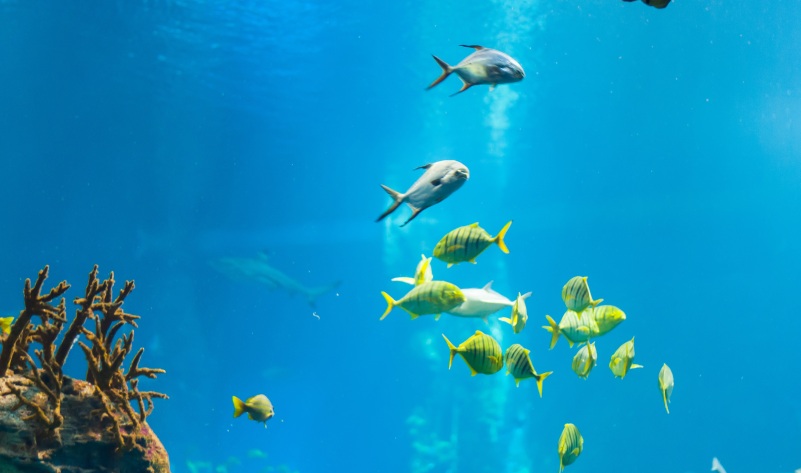
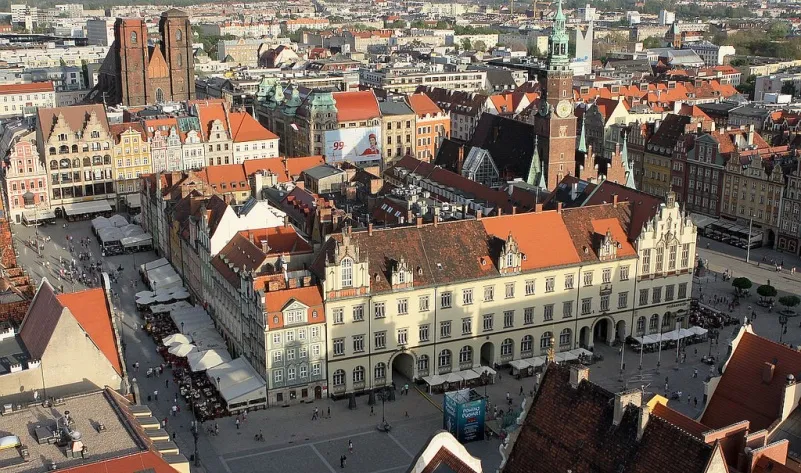
We visit: Wrocław – Ostrów Tumski with the Cathedral of St. John the Baptist and the Collegiate Church of the Holy Cross and St. Bartholomew, the Romanesque Church of St. Giles, the Kluskowa Gate, the Suffragan Palace and the statue of St. John of Nepomuk, the Tumski Bridge, Sand Island, the Old Town Market Square surrounded by beautiful tenement houses, the Town Hall, the medieval pillory, the Hansel and Gretel tenement houses, St. Elizabeth’s Basilica, Salt Square, the butcher’s stalls, the walls of the medieval prison on Więzienna Street, the main building of the University of Wrocław with the Leopoldina Hall, the Oratorium Marianum and the Mathematical Tower, the swordsman sculpture, and the Grunwaldzki Bridge. Individual visits to the Zoo and Afrykarium are available for those interested.
Program
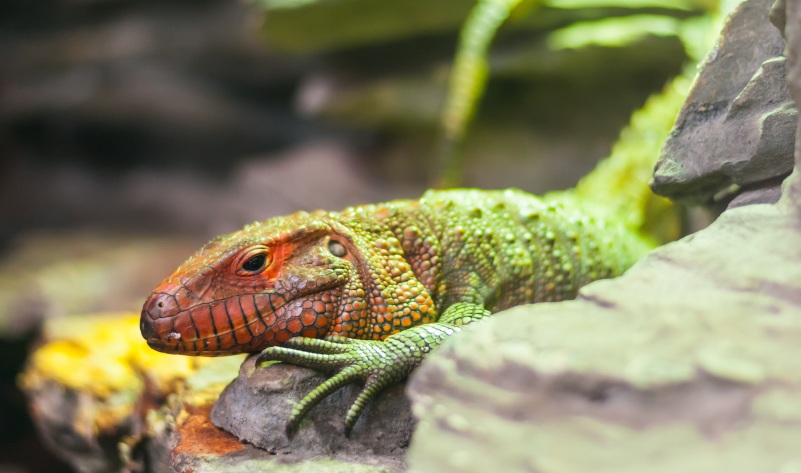
Day 1: Departure according to the timetable (participants meet 15 minutes before departure), transfer to Wrocław. This city is full of priceless monuments and wonderful legends, friendly people, and pleasant encounters, bustling with life 24/7. The oldest part of the city is Ostrów Tumski, with the distinctive towers of the Cathedral of St. John the Baptist and the Collegiate Church of the Holy Cross and St. Bartholomew. The Kluskowa Gate connects the oldest active Romanesque Church of St. Giles with the chapter building. The construction of the Suffragan Palace, today the seat of the Archbishop of Wrocław, dates back to the late 18th century. In the church square, you can see the statue of St. John of Nepomuk. We cross the Tumski Bridge to Piaskowa Island, surrounded by the waters of the Oder River. A visit to Wrocław's Old Town is a must. The market square, lined with beautiful tenement houses, is considered one of the largest in Europe. The late Gothic town hall impresses with its architectural details. No one administers punishment at the pillory in front of the town hall today. In the corner of the market square stand two tenement houses, Jaś and Małgosia, connected by an arch. They were once part of a larger group of altar houses near the former parish church – now St. Elizabeth's Basilica. Nearby Solny Square is famous for its flower shops, open year-round. The butcher's stalls, once home to butchers, now artists and bronze animals, have a special atmosphere. The walls of the medieval prison on Więzienna Street are filled with the bustle of tourists sitting at café tables. A true Baroque gem is the building of the former Jesuit college, now the main building of the University of Wrocław, with its beautiful Baroque Aula Leopoldina, Oratorium Marianum, and mathematical tower. The sculpture of a swordsman standing in front of the university has become a permanent fixture in student jokes. One of the most important symbols of Wrocław is the Grunwaldzki Bridge, which has become steeped in legend over the years. Transfer to the hotel, dinner, accommodation, overnight stay. Day 2: After breakfast and check-out, we'll finish exploring Wrocław. We'll spend some time at the Wrocław Zoo and the Afrykarium. We'll depart for our return journey, arriving in the evening.
Benefits
The price includes: coach transfer - tourist standard (adapted to group size), 1 overnight stay at a hotel along the route - double and triple rooms with bathrooms, meals: 1 dinner, 1 breakfast, tour guide service, personal accident insurance, VAT margin. Contributions to the Tourist Guarantee Fund (TFG) and the Tourist Assistance Fund (TFP). The price does not include: Tourist program costs (entrance tickets and fees, reservation fees, museum guides, local fees, Tour Guide system rental). Optional fees and excursions. Approximate cost of the tourist program: approximately 25-35 PLN/person, plus the ZOO and Afrykarium approximately 50-70 PLN/person - final cost depends on individual discounts and concessions. Other: Accommodation in a double or triple room - free of charge. Additional fee for a single room - as per the event price list. Additional fee for antenna connections - as per the price list included in the timetable.